The recent decision to unfreeze $6 billion in overseas assets to facilitate a prisoner swap with the Islamic regime in Iran has amplified concerns over how to effectively engage with a state that sponsors more terrorism than any other.
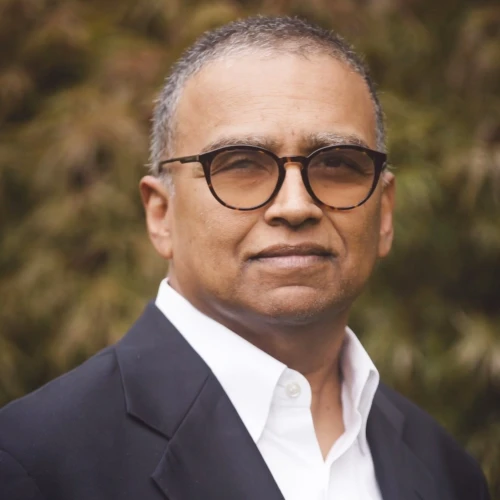
Michael Makovsky, CEO of the Jewish Institute for National Security of America (JINSA,) testified on Sept. 13 to the House Committee on Oversight and Accountability’s Subcommittee on National Security, the Border and Foreign Affairs alongside three other foreign-policy specialists.
The panel’s focus was to explain the Biden administration’s “dangerous strategy” that has led to “failures on Iran.” Also offering testimony were Richard Goldberg, a senior adviser at the Foundation for the Defense of Democracies; Victoria Coates, vice president of the Kathryn and Shelby Cullom Davis Institute for National Security and Foreign Policy at the Heritage Foundation; and Barbara Slavin, a distinguished fellow of the Stimson Center.
“The administration accepts the regime’s existence, works with it, enriches and strengthens it, mutes criticism of its awful human-rights abuses, does mostly nothing when its proxies attack American troops abroad and citizens at home, and seeks to kick the can down the road on its nuclear program,” Makovsky told the committee.
Goldberg began his testimony invoking the adage to “follow the money” and urging the same approach to Iran before laying out the Biden administration’s history of financial transactions with the state.
“Iran’s capability and capacity continues to grow even as it gains access to billions of dollars,” said Goldberg, describing the regime’s nuclear program.