An upcoming educational event in Manhattan aims to grapple with the foundations of Jewish history, following renewed interest after the Hamas-led terrorist attacks on Oct. 7, 2023.
The daylong symposium, titled “The Past, Present and Future of Jewish History” and hosted by the Center for Jewish History in New York City on Nov. 2, will gather 20 leading historians to examine some of the field’s most pressing questions. The event, organized by the Center’s Jewish Public History Forum, features five sessions exploring fundamental themes, from the significance of antisemitism in Jewish history to the relationship between Israeli and Diaspora narratives.
Beyond the academic agenda, the symposium is part of a larger effort to bring scholarship traditionally confined to university lecture halls to an intellectually curious general audience.
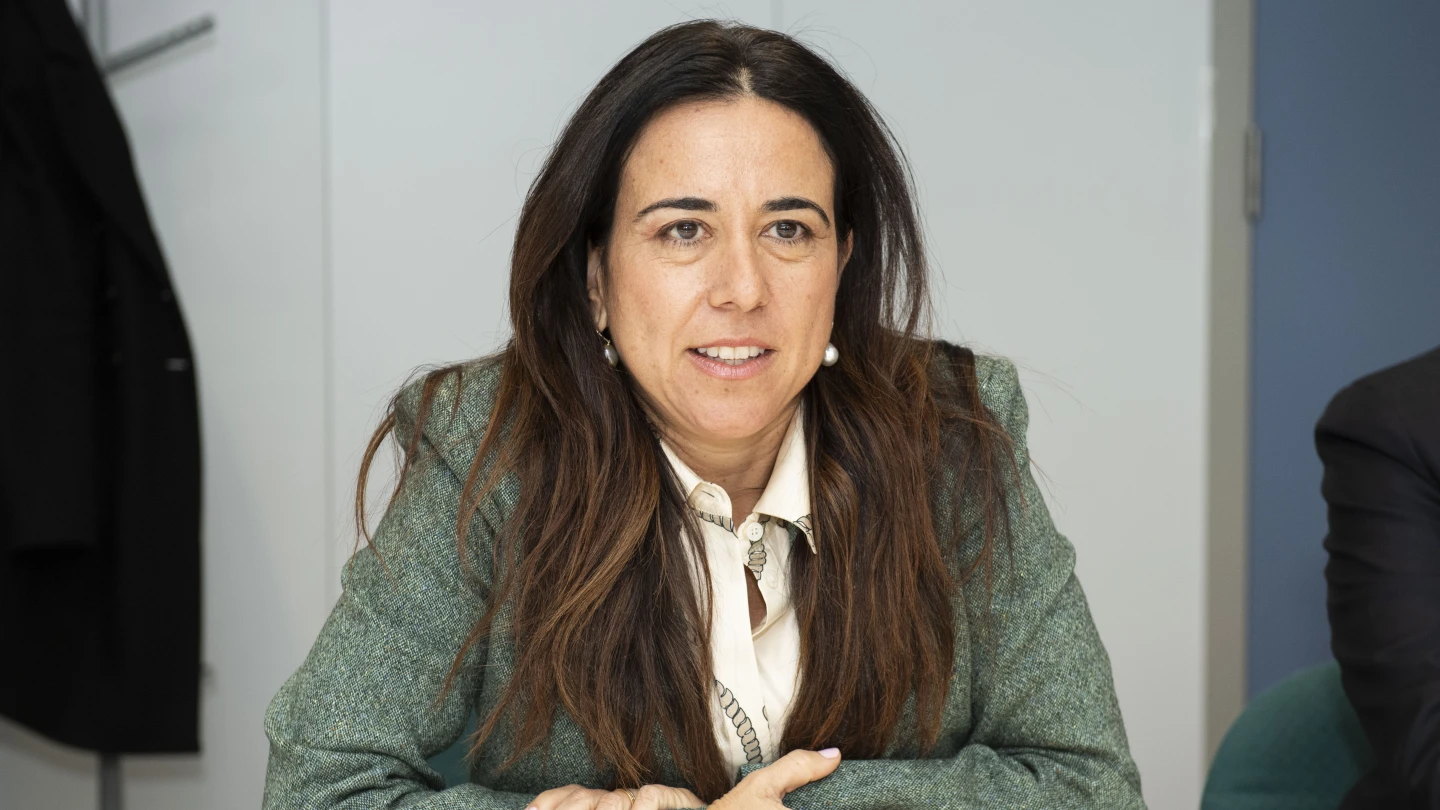
“When we established the Jewish Public History Forum in the spring of 2023, our goal was to make high-level scholarship accessible to the broader public,” Gavriel Rosenfeld, president of the Center for Jewish History, told JNS. “We have hundreds of academics in our orbit, and we want their ideas to reach a wider community.”
Rosenfeld explained that the forum’s previous symposia, covering topics such as Zionism, antisemitism and responses to fascism, were designed as dynamic conversations rather than traditional lectures. Scholars are limited to brief remarks before engaging in dialogue, allowing audiences to hear the kinds of debates that usually unfold behind the closed doors of academia.
“This isn’t about formal academic papers,” he said. “It’s about pulling back the curtain and showing how historians actually think about these issues.”
This weekend’s event coincides with the center’s 25th anniversary, which Rosenfeld described as a natural moment to “take stock of the field, what challenges we are facing today and how we can serve the interests of the Jewish community, especially by taking scholars out of their ivory tower.”
He noted that Jewish history, once a marginal discipline in American academia, has undergone profound shifts over the past four decades as universities have both expanded and contracted, and as politics, funding and ideology increasingly shape campus culture.
Those dynamics have only intensified since the terrorist attacks in Israel, which many scholars see as a watershed for Jewish identity and public engagement with history.
“Until Oct. 7, most ordinary people didn’t pay much attention to what was happening in academia,” Rosenfeld told JNS. “Now, there’s much greater interest in how scholars function and the internal debates that go on in academia.”
“Some Jews are reconnecting through faith and ritual, others through learning,” he said, noting that the center has seen a surge in visitors, book sales and community participation since Oct. 7.
For many historians, Oct. 7 has also deepened the urgency of their work.
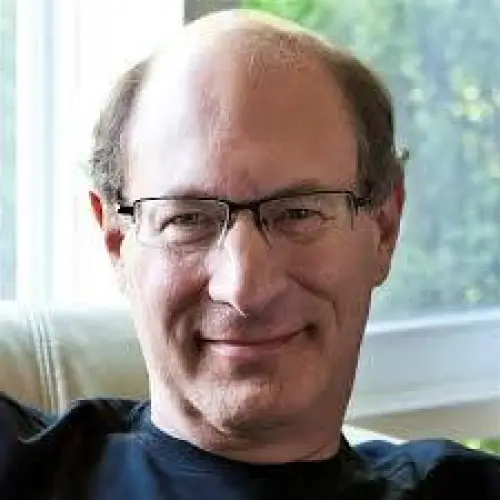
“It was, by any measure, a seismic event—the deadliest single day for Jews since the Holocaust,” Daniel Schwartz, chair of the center’s Academic Advisory Council, told JNS. “It revealed both the persistence of vulnerability and the enduring capacity for resilience that have long shaped the Jewish experience.”
He noted, however, that scholars differ in how they interpret and contextualize the attacks, a diversity of perspectives that the symposium intends to showcase.
“Moments like this call for critical thinking, honest argument and resistance to both simplification and despair,” he said.
But “making complex subjects accessible and meaningful is not a challenge we are just now discovering,” Schwartz told JNS. “It’s central to what we already do every day.”
“This Sunday’s event is not an academic conference of narrowly focused papers,” he said. “It’s a public symposium on some of the most urgent and far-reaching questions in Jewish history today, designed precisely for an intellectually curious general audience.”
Schwartz also pushed back on the notion that scholars are inherently insular.
“The 20 senior historians participating have decades of experience writing for wider publics, lecturing in community settings and teaching students—many of them non-Jewish—who come to Jewish history with no prior background,” he said.
Rosenfeld noted that the Jewish community has been debating its own history for three millennia and that those divisions—religious, political and generational—continue to shape the present. By bringing those debates into public view, he said, the center hopes to help people think more critically about the past and feel more connected to their heritage.