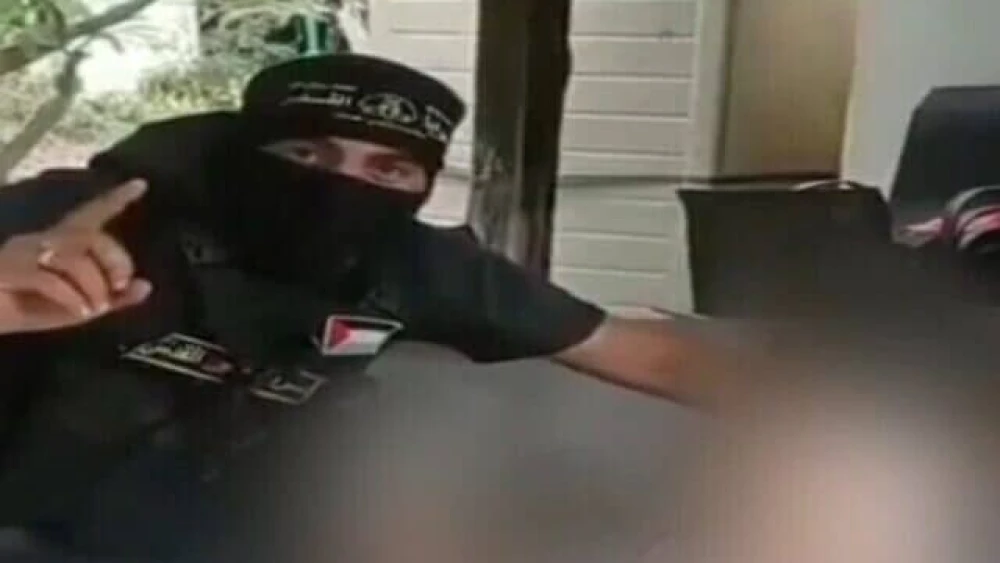
The placement of freelance photographers, who captured some of the attacks perpetrated by Hamas terrorists in southern Israel on Oct. 7 for AP and Reuters, raises questions about how much and when they knew about the attacks in which more than 1,400 people were killed, according to a new analysis from HonestReporting.
The watchdog identified six freelance photographers—Hassan Eslaiah, Yousef Masoud, Ali Mahmud, Hatem Ali, Mohammed Fayq Abu Mostafa and Yasser Qudih—who were present during the attacks, and whose work the Associated Press and Reuters are selling to other publications.
“What were they doing there so early on what would ordinarily have been a quiet Saturday morning?” HonestReporting asked. (It was the Jewish holiday of Simchat Torah as well.)
“Was it coordinated with Hamas? Did the respectable wire services, which published their photos, approve of their presence inside enemy territory, together with the terrorist infiltrators?” HonestReporting added.
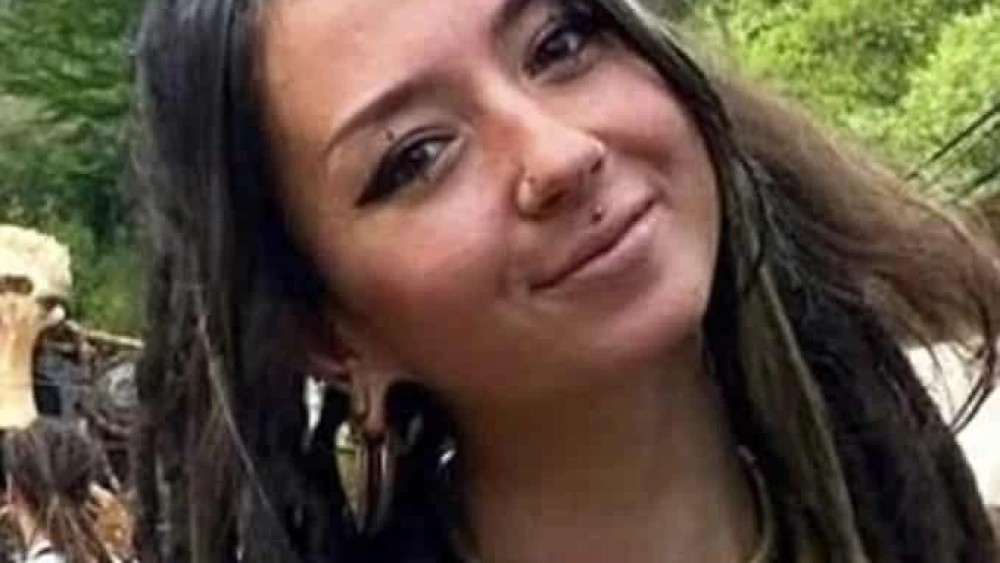
The freelancers snapped photos of a burning Israeli tank and of Hamas terrorists kidnapping people, including the German-Israeli woman Shani Louk, who has since been found dead.
HonestReporting published screenshots of since-deleted social-media posts in which Eslaiah stood before the Israeli tank without a press vest or helmet. He captioned the image in Arabic: “Live from inside the Gaza Strip settlements.”
The watchdog also noted that the AP apparently removed the names of the freelancers from some photos in its database. “Perhaps someone at the agency realized it posed serious questions regarding their journalistic ethics,” HonestReporting wrote.
Mostafa photographed a lynch mob “brutalizing the body of an Israeli soldier who was dragged out of the tank” for Reuters, according to HonestReporting. The news agency labeled the image with a graphic warning—and “shamelessly” made it one of its “Images of the Day” in its editorial database.
“Let’s be clear: News agencies may claim that these people were just doing their job. Documenting war crimes, unfortunately, may be part of it. But it’s not that simple,” per HonestReporting.
“It is now obvious that Hamas had planned its Oct. 7 attack on Israel for a very long time: its scale, its brutal aims and its massive documentation have been prepared for months, if not years. Everything was taken into account—the deployments, the timing, as well as the use of body cams and mobile phone videos for sharing the atrocities,” it added. “Is it conceivable to assume that ‘journalists’ just happened to appear early in the morning at the border without prior coordination with the terrorists? Or were they part of the plan?”
“Even if they didn’t know the exact details of what was going to happen, once it unfolded, did they not realize they were breaching a border? And if so, did they notify the news agencies? Some sort of communication was undoubtedly necessary—before, after or during the attack—in order to get the photos published,” HonestReporting wrote.
I guess I wasn’t the only one wondering why the @AP had photographers embedded with the terrorists on 10/7? https://t.co/0yxTlYLTeh pic.twitter.com/gygpyHpznw
— Dovi Safier (@safier) November 8, 2023
“Either way, when international news agencies decide to pay for material that has been captured under such problematic circumstances, their standards may be questioned, and their audience deserves to know about it,” it added. “And if their people on the ground actively or passively collaborated with Hamas to get the shots, they should be called out to redefine the border between journalism and barbarism.”
In the past, there has been extensive discussion about how journalists should operate in war zones and in circumstances where they are in a position to provide aid. Dr. Sanjay Gupta, a CNN reporter, drew on his medical training to assist people and became part of the story while reporting in Haiti.
A Pulitzer Prize-winning photograph that appeared in The New York Times in 1993 of a starving Sudanese child being stalked by a vulture also raised serious questions at the time about a photographer’s ethical responsibilities while on the job.