A month-long coronavirus lockdown will cost the Israeli economy between NIS 15 and 20 billion ($4.3 to $5.7 billion), the country’s Finance Ministry said over the weekend.
A senior ministry official stressed that the estimate did not include compensation for businesses that are likely to go under, or unemployment benefits the state will have to pay tens if not hundreds of thousands of Israelis who will again be let go or placed on unpaid leave.
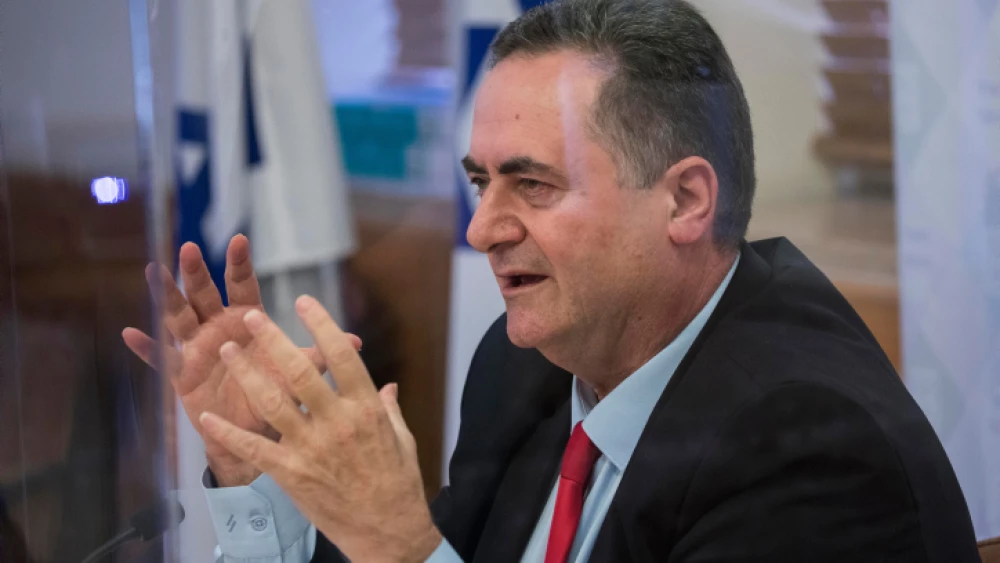
The government is slated to vote on a lockdown on Sunday. Finance Minister Israel Katz has said he will vote against the measure.
The overall economic impact of a lockdown during the High Holidays is expected to be particularly serious as this year many of the holidays fall on weekends, meaning they would have had minimal impact on economic activity.
If the lockdown is extended beyond the holidays, it could cost the state another NIS 6 billion ($1.7 billion) a week.
The Treasury prefers instating a policy of increased enforcement in accordance with National Coronavirus Project Coordinator Ronni Gamzu’s “traffic light system,” whereby only areas classified as “red” due to high morbidity would have to shutter businesses.
The ministry also supports keeping daycares and elementary schools open for first through fourth grades, to allow parents to continue working.
This article first appeared in Israel Hayom.