Scientists from Israel have discovered that saliva samples can be used to quickly and accurately diagnose post-traumatic stress disorder (PTSD).
In a study published in Nature’s Molecular Psychiatry magazine, researchers from Tel Aviv and Haifa Universities investigated the psychological, social and medical conditions of about 200 Israeli veterans.
They discovered that soldiers who had experienced combat stress-related reactions from Israel’s first war with Lebanon in 1982, and were still suffering post-trauma, showed a typical microbial picture in their saliva.
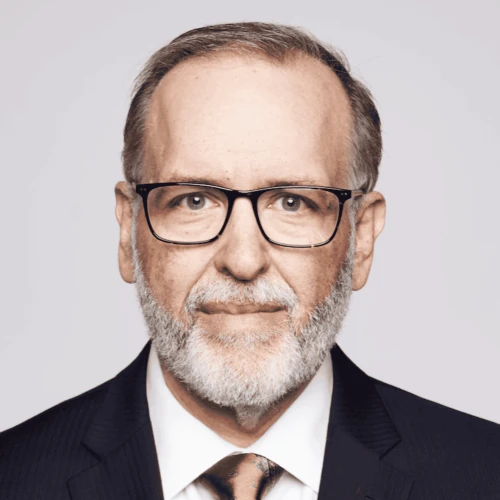
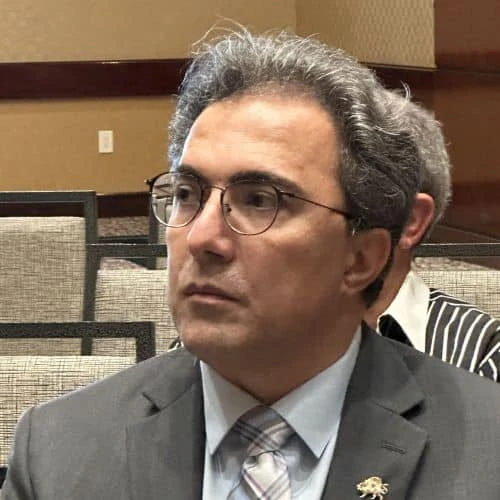
The study was led by professor Illana Gozes and included professor Noam Shomron, Dr. Shlomo Sragovich and Ph.D. student Guy Shapira (all from TAU’s Sackler Faculty of Medicine and Sagol School of Neuroscience), as well as professor Zahava Solomon from TAU’s Gershon Gordon Faculty of Social Sciences, and professor Abraham Sagi-Schwartz and PhD student Ella Levert-Levitt from the Center for the Study of Child Development and the School of Psychological Sciences at the University of Haifa.

The researchers say the results may help doctors in the future to reach an accurate and objective diagnosis of people suffering from post-trauma and even lay the groundwork for microbiotic-related medications to alleviate the condition.
“To the best of our knowledge, this is the first depiction of a microbial signature in the saliva among veteran soldiers with PTSD,” said Gozes.
The participants in the study came from a larger cohort of subjects involved in a comprehensive four-decade-long study of veterans by Solomon.
The researchers tested them for a range of psychological aspects, including sleep, appetite disorders, guilt, suicidal thoughts, social and spousal support, hostility, satisfaction with life, as well as issues of demographics, psychopathology, welfare, health and education.
“We were surprised to discover that about a third of the PTSD subjects had never been diagnosed with post-trauma, so they never received any recognition from the Ministry of Defense and the official authorities,” she added.
Comparing the results of the subjects’ microbial distribution to the psychological results and their responses to the welfare questionnaires, the researchers discovered that people with PTSD and high psychopathological indications exhibit the same picture of bacteria in the saliva (a unique oral microbiotic signature).
“It must be stressed that until now, post-trauma diagnosis has been based solely on psychological and psychiatric measures,” said Gozes. “Thanks to this study, it may be possible, in the future, to use objective molecular and biological characteristics to distinguish PTSD sufferers, taking into account environmental influences. We hope that this new discovery and the microbial signatures described in this study might promote easier diagnosis of post-traumatic veteran soldiers so they can receive appropriate treatment.”
This study was also supported by the Israel Defense Force’s Medical Corps Department of Health and Well-Being and Dr. Ariel Ben Yehuda, a department manager in the Mental Health Medical Center in Shalvata, Clallit Health Services. The study also involved collaboration with the Charité University Medicine in Berlin and its microbiology experts Dr. Markus M. Heimesaat and professor Stefan Bereswill, as well as with professors Victor Li and Jacqueline Lam from the University of Hong Kong, who are studying the effects of air pollution.
This article was first published by Israel21c.