The State of Israel on Wednesday formally acknowledged that its air force blew up a Syrian nuclear reactor between Sept. 5 and Sept. 6, 2007. Israeli officials said they did not confirm the strike at the time in order to give Syrian dictator Bashar Assad an opportunity to save face and avoid escalation with Israel following the 2006 Second Lebanon War.
Israel never took official responsibility for the attack, though details of the strike were speculated in the media.
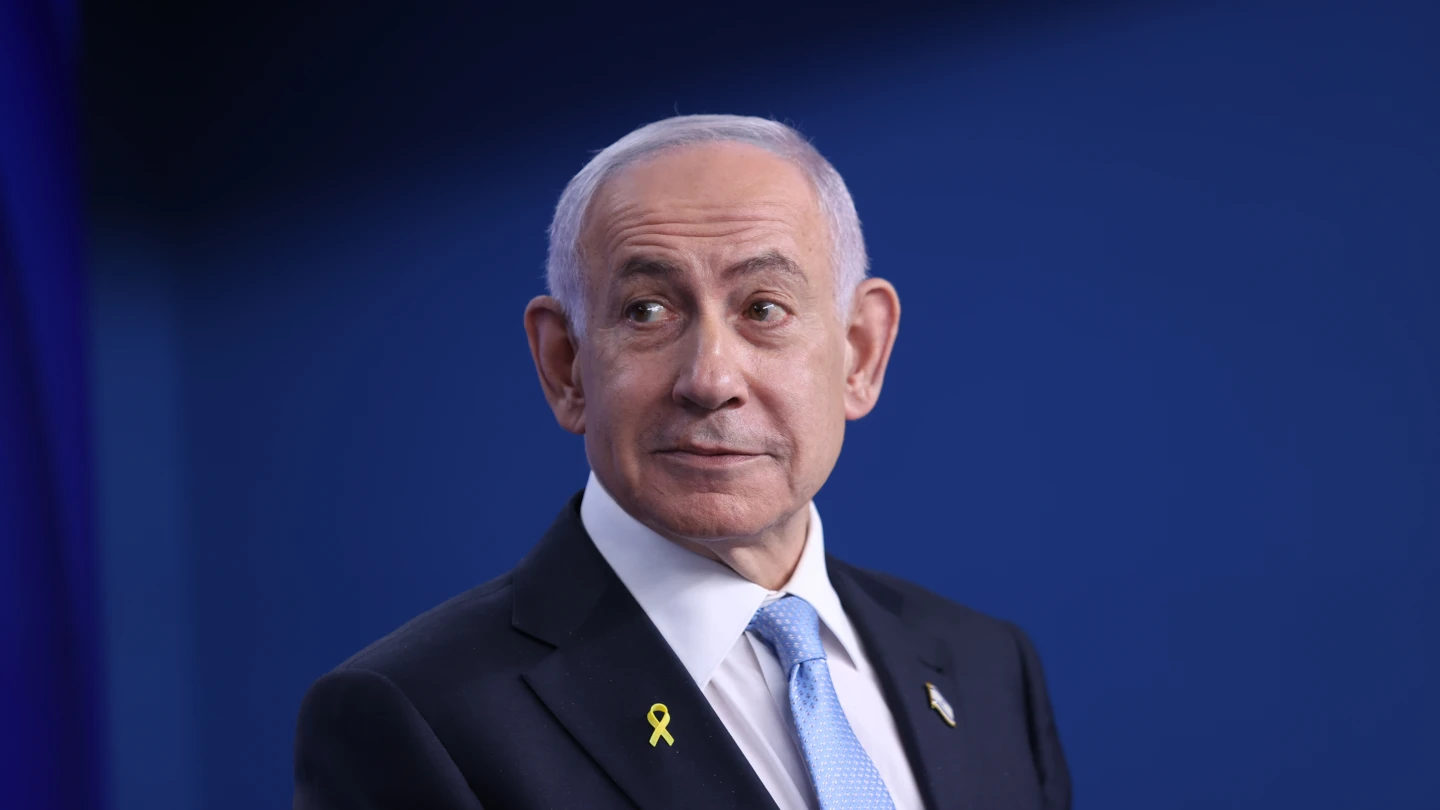
Israeli Prime Minister Benjamin Netanyahu said this week that “the Government of Israel, the IDF and the Mossad prevented Syria from developing a nuclear capability. For this, they are deserving of all praise. Israel’s policy has been and remains consistent: to prevent our enemies from arming themselves with nuclear weapons.”
At the time, Israeli and American intelligence had indicated that Syria’s Deir Ezzor site, also known as al-Kibar, housed a gas-cooled, graphite-moderated nuclear reactor capable of manufacturing weapons-grade plutonium, and that it was nearly operational when Israel destroyed it under the direction of Prime Minister Ehud Olmert.
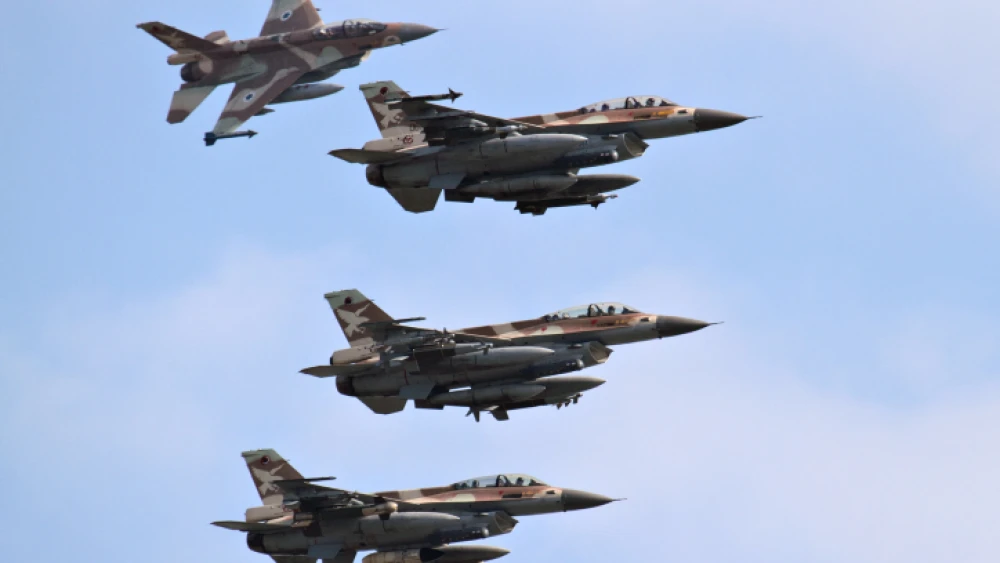
In the months preceding the attack, IAF pilots had unknowingly been practicing all the maneuvers they would need to destroy Deir Ezzor.
According to reports, Olmert wanted to bomb the reactor as soon as possible, despite calls to stall by U.S. president George W. Bush and Israeli Defense Minister Ehud Barak. But the security cabinet authorized the strike, and pilots were scrambled without being told the target.
The IAF pilots were then told that “the operation was of the utmost importance to the State of Israel and the Jewish people,” according to then-Air Force head Eliezer Shkedi. They were equipped with 17 tons of explosives.
Following the successful attack, Syria’s official SANA news outlet stated that Syrian air-defense units had confronted Israeli fighters “and forced them to leave after they dropped some ammunition in deserted areas without causing any human or material damage.” Assad later confirmed a military facility had been hit, but denied that it was a reactor.
“Operation Orchard”—also called “Operation Silent Melody,” as well as “Operation Outside the Box”—marked the second time that Israel destroyed an enemy country’s nuclear capabilities. Iraq’s nuclear reactor was obliterated in 1981, in an attack for which Israel took public responsibility.