The U.S. Department of the Treasury sanctioned four Iranian digital asset exchanges on Tuesday as part of Operation Economic Fury, the Trump administration’s economic pressure campaign against Iran.
The department designated Nobitex, Wallex, Bitpin and Ramzinex, as well as officials affiliated with the exchange companies, claiming that they have been supporting the Islamic Republic of Iran and associated terror activities.
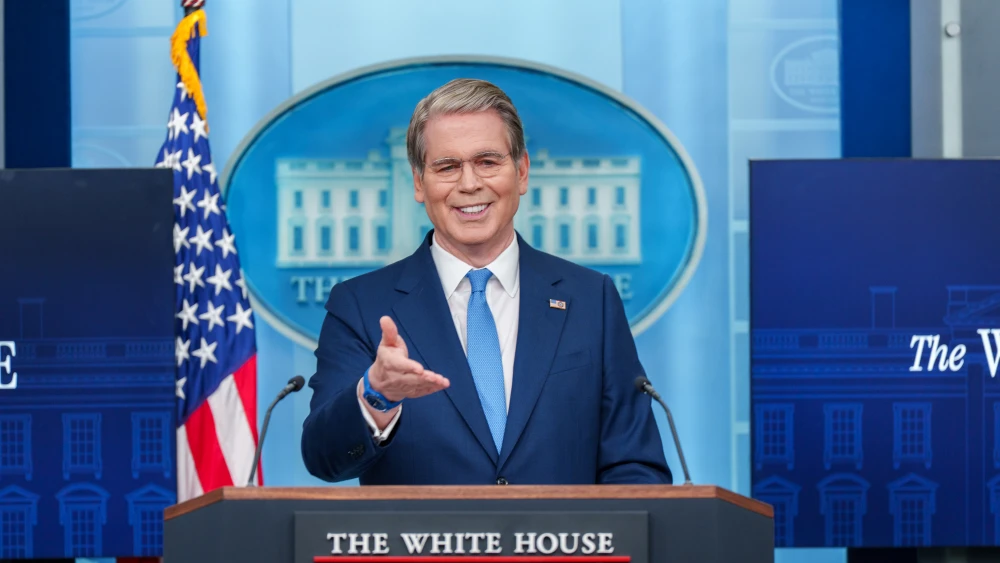
“The regime has chosen to co-opt digital technologies for its own corrupt agenda, including evading sanctions and transferring wealth out of the country,” said Scott Bessent, the U.S. treasury secretary.
According to the Treasury Department, Nobitex has “provided significant support to the regime, processing more than 50 percent of all Iranian digital asset inflows in 2025 and facilitating payments tied to Iran’s terrorist activities, sanctions evasion efforts, and Islamic Revolutionary Guard Corps-linked transactions, including activity associated with IRGC-affiliated ransomware actors.”
The department also said that Nobitex has helped the Central Bank of Iran “access hundreds of millions of dollars in stablecoins used to prop up the plummeting value of the Iranian rial, while enabling regime insiders to access international digital asset exchanges and evade sanctions across multiple jurisdictions.”
Wallex, Bitpin and Ramzinex are allegedly linked to the IRGC, according to the Treasury Department, which added that Bitpin investors have “reportedly been linked to Iranian efforts to evade U.S. sanctions.”
Max Meizlish, a senior research fellow at the Foundation for Defense of Democracies and a former enforcement officer at the Treasury Department, stated that the sanctions expose the cryptocurrency exchange Binance to potential secondary sanctions.
“Much of the crypto going into Iran has flowed through Binance over the years, Meizlish wrote. “With the specific sanctions on these Iranian exchanges, Binance’s secondary sanctions exposure has grown considerably.”