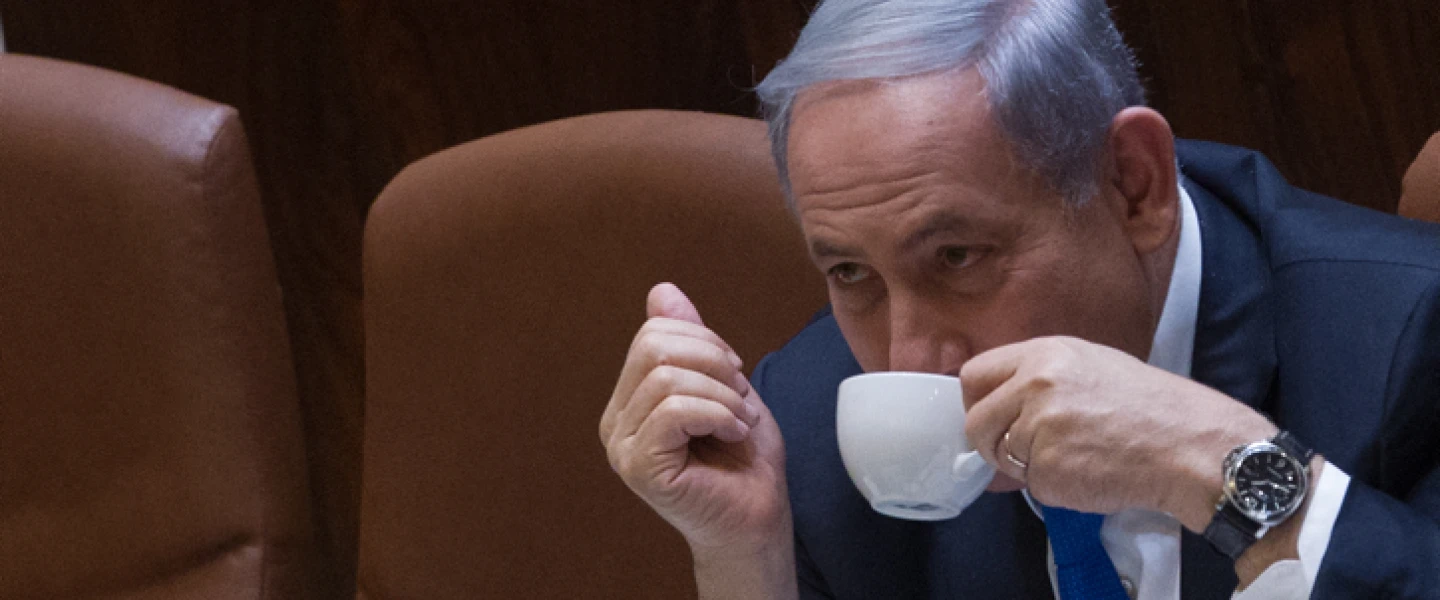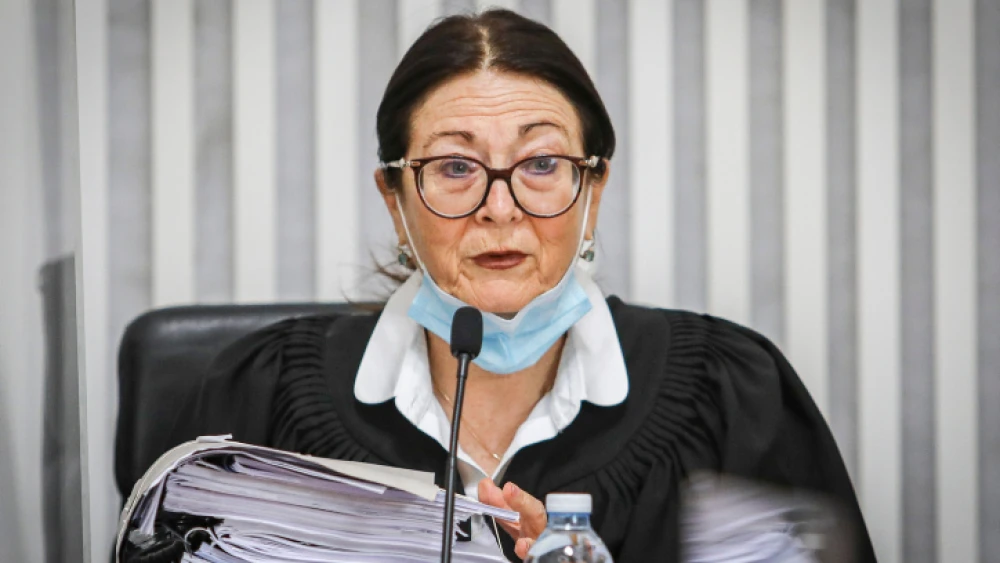
Israel’s High Court of Justice convened for a second consecutive day of hearings on Monday, this time to determine the legality of the coalition agreement reached two weeks ago between Likud Party leader Israeli Prime Minister Benjamin Netanyahu and Benny Gantz, head of the Blue and White Party.
During the hearing, Chief Justice Esther Hayut took issue with clauses of the coalition agreement, such as its prohibition on making senior appointments, including that of police chief, during the “national emergency” period declared due to the coronavirus pandemic.
During Sunday’s seven-hour session, the unusually large panel of 11 judges heard petitions seeking to bar Netanyahu from forming and heading the next government while under indictment. While Israeli law bars ministers from continuing to serve if indicted, a prime minister may remain in power even after being convicted, and until the appeals process is exhausted.
However, the court is now being asked to decide whether that means that a prime minister under indictment should be permitted to form a government.
In an opinion submitted to the High Court last Thursday, Israeli Attorney General Avichai Mandelblit said that there was no legal obstacle to Netanyahu forming of a government, or to the Likud-Blue and White coalition deal, despite what he said were “significant” problems raised by the latter, while on Sunday the petitioners against the prime minister appeared unable to provide arguments that satisfied the judges.
At one point in the proceedings, Hayut lost her patience, admonishing the attorney for the petitioners to “show us something—a law or a verdict from Israel or elsewhere” to justify the petitioners’ demand that the court overrule the Knesset, which reflects the will of the electorate.
“You want us to rule based on your personal opinion?” she asked.
The court is expected to issue its final verdict on both matters by the end of the week. In the event that it rules in favor of the petitioners, Israelis will be forced into its fourth round of elections in 18 months.