


Prime Minister Benjamin Netanyahu on Sunday cautioned Israeli pilgrims against traveling to Uman in Ukraine for the High Holidays, saying they must take full responsibility for their own safety.
“God has not always protected us, both on Ukrainian and other European soil,” Netanyahu said in unusual remarks against such visits during a discussion on the issue during the weekly Cabinet meeting.
The warning comes after Ukrainian President Volodymyr Zelenskyy cautioned the premier in a telephone conversation that Uman does not have enough bomb shelters for its residents, let alone tourists.
“It must be understood that in the State of Israel when missiles fall on us, citizens enter shelters and there is protection. There there are no shelters and no protection,” Netanyahu said.
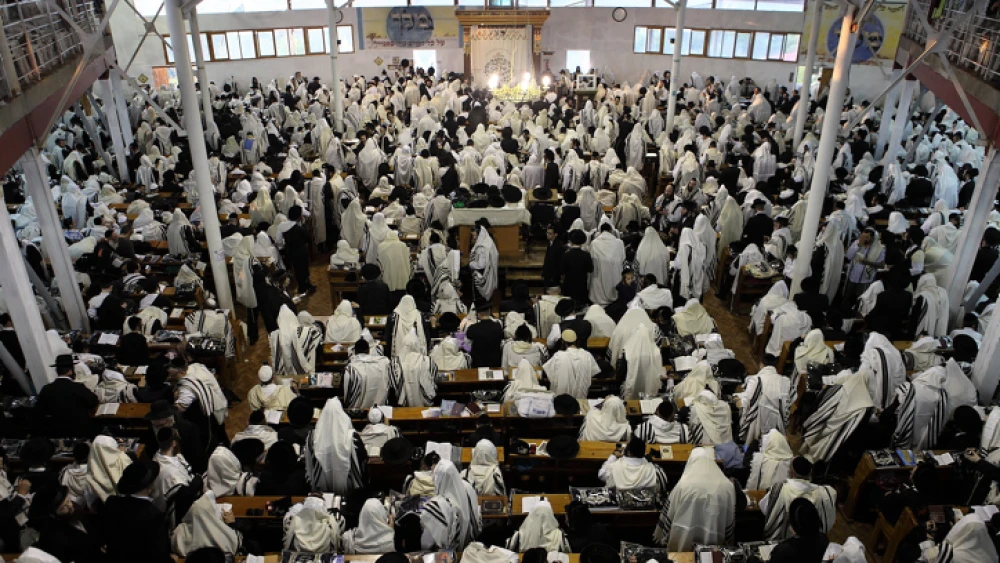
Tens of thousands of mostly Hasidic Jews from Israel and other countries make the trek to Uman every year ahead of Rosh Hashanah to visit the burial site of a revered 18th-century rabbi, Nachman of Breslov, the founder of the Breslov Hasidic sect.
The predominantly male pilgrimages to Uman, located about 125 miles south of the capital Kyiv, continued last year despite travel warnings issued by the Israeli government and the pleas of Ukrainian officials who had asked them to stay away because of the war with Russia.
Netanyahu instructed the Foreign Ministry in Jerusalem to underscore the travel warnings in place for Ukraine and to detail the risks entailed in traveling there, his office said in a statement.
The caution comes even as Ukraine and Israel reached an agreement on the holiday pilgrimages to Uman.
As part of the agreement, entries into Ukraine will be increased in the days leading up to the Jewish New Year, which begins on Friday evening.
Border guards will work to speed up the entries and the posts will be open 24 hours a day in the days before and after Rosh Hashanah.
Previously, the Ukrainian ambassador to Israel had threatened to bar Jewish pilgrims from entering the country in retaliation for the deportation of Ukrainian tourists from Israel.


