U.S. Rep. Jeff Duncan (R-S.C.) sent a letter to U.S. Secretary of State Mike Pompeo last week asking him to intercede on behalf of American Jews who want to go to Uman, Ukraine, for the upcoming Jewish New Year.
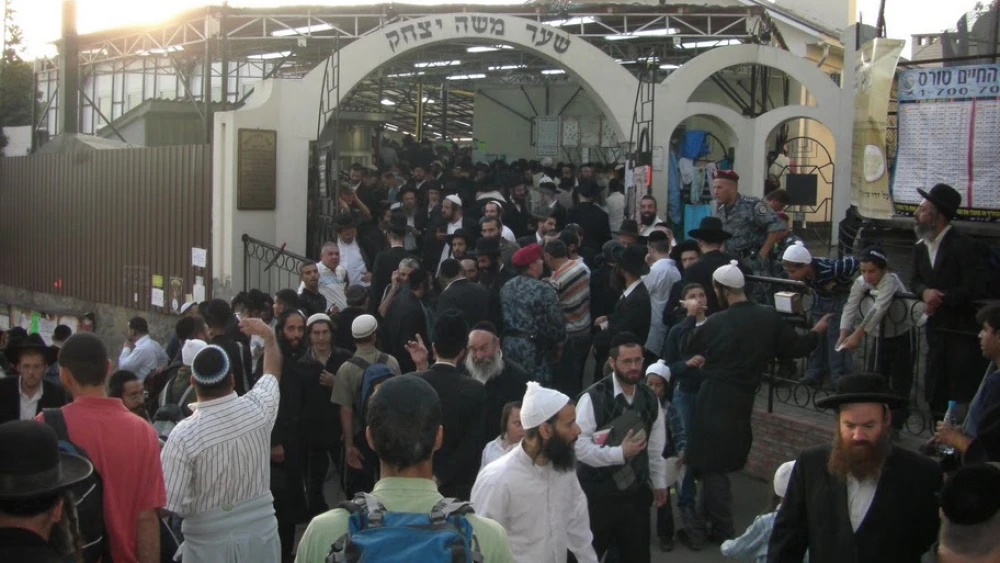
Tens of thousands of Jews from across the world travel annually to Uman to celebrate Rosh Hashanah at the grave of Rabbi Nachman of Breslov. This year, however, authorities in Ukraine have closed the borders to foreigners because of the coronavirus pandemic and fear of spreading COVID-19, making travel there for the holiday impossible.
The Ukrainian border closure began on Aug. 29 and extends through the holiday of Yom Kippur on Sept. 28.
Even before the official border shutdown, Israeli and Ukrainian officials asked Jews to refrain from traveling to the Ukrainian city this year.
Duncan’s letter to Pompeo, which was co-signed by 25 congressional colleagues, highlighted the fact that Ukraine’s travel ban has some exemptions, “including allowing students, diplomats and cultural figures to arrive by invitation.”
“The Ukrainian government could add a limited religious exception allowing for a small fraction of regular attendees (not to exceed 2,000 people) to enter the country for a total of five days,” the letter said, adding “All members of the group would be tested upon arrival at their own expense and would agree to follow all medical safety and security precautions and protocols at all times. …”
In recent years, tens of thousands of religious Jews have made the annual trek to Uman to visit the gravesite. Even the prospect of several thousand are causing concern among Ukrainian leadership.
In response to a JNS inquiry about the letter, Duncan said, “As a former member on the House Foreign Affairs Committee with a longstanding history of working on religious freedom issues, protecting religious practices is extremely important to me. With COVID-19 turning our world upside-down this year, we have all had to make sacrifices. However, even during times of uncertainty, governments should continue to allow maximum flexibility for religious expression and practice.
“I have a deep respect for all people of faith, and I believe Ukraine had good intentions in crafting their travel restrictions. But I also believe they need to find creative ways to accommodate people of faith in a safe and commonsense manner,” he continued. “Governments don’t have to choose between allowing religious expression and public safety, and believe this letter makes it clear that common-sense steps can be taken to achieve both goals. I am hopeful raising this issue will clear the way for many in the Jewish community to travel to Uman for the Jewish New Year.”