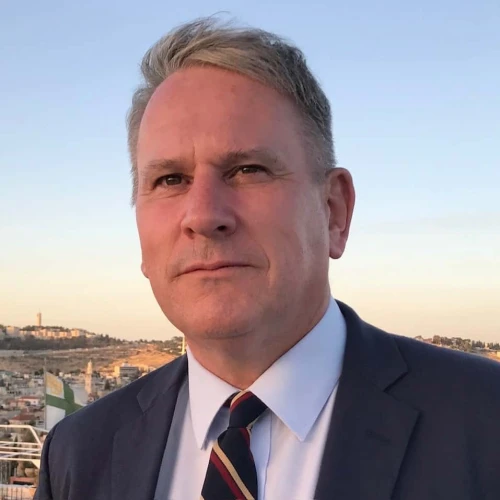
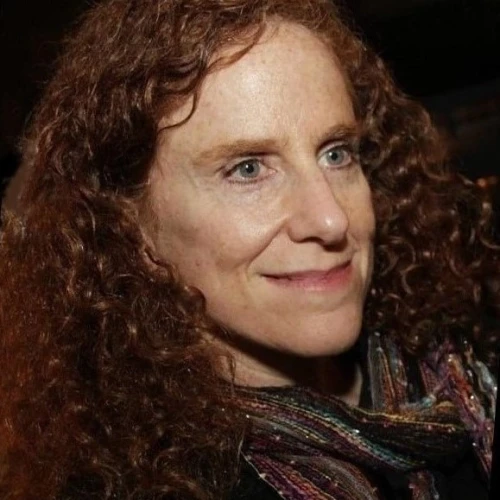
A two-day cultural event in New York this week brought together members of the Jewish and black communities in an effort to take a stand against anti-Semitism and racism in the United States, organizers said on Monday.
The “Fighting Anti-Semitism and Racism Together” conference, held on Oct. 24-25, was a joint endeavor initiative of the Jazz Leadership Project, the Combat Anti-Semitism Movement and the American Sephardi Federation.
At the event, organizers highlighted the long tradition of cooperation between the two communities, pointing to the Jews’ overwhelming support for Martin Luther King Jr.'s struggle for equality and cooperation. Participants agreed that this long-standing alliance must never waver, particularly in the current climate in which tensions are being fueled by “emerging ideologies.”
They also warned of the dangers of the spike in anti-Israel rhetoric, which is classified as anti-Semitic language by the International Holocaust Remembrance Alliance’s “working definition” of anti-Semitism.
“We are many, let us also be one, unified in our embrace of humanism and cultural excellence and democracy,” said musician and composer Wynton Marsalis, who runs the Lincoln Center Jazz Program.
“Let us not be tribal,” added Marsalis, who during the event was presented the Albert Murray Award for being a “trailblazer” in the “collective effort to build a more harmonious future free of racism and anti-Semitism.”
The event was attended by saxophonist Donald Harrison, winner of the 2022 NEA Jazz Master Jazz Music Award, along with many other figures from the global jazz community, as well as musicians, philosophers and social activists from the Jewish and black communities.
Event initiators Greg Thomas and Aryeh Tepper, both jazz musicians, educators and activists, each explained the power that music and culture have to overcome prejudices.
“In our polarized U.S. and world, we need leadership and wisdom to point the way through the complexity, darkness and hatred,” said Thomas.
Tepper noted, “This special event dedicated to combating racism and anti-Semitism, and shaping an omni-American future, will take us on a journey through the thought and spirit of the man who taught us the meaning of stomping the blues, Albert Murray.”
The event included a performance by the Itamar Borochov Quartet. Borochov, an Israel-born and Brooklyn-based jazz musician, recently received the prestigious “LetterOne Rising Stars Jazz Award” for his unique style, which musically brings together the sounds of Manhattan, Jaffa and Central Asia, along with the sacred sounds of the Sephardic liturgy.