Middle East

The United States is reinforcing its forces in the Middle East to provide President Donald Trump with “decisive” options against Iran.

The Lebanese government’s attempts to turn their minor success in southern Lebanon into a pass to move on to later stages of the ceasefire agreement may in fact be placing them between a rock and a hard place, experts tell JNS.

Saudi Arabia, Turkey, Egypt, Jordan, Indonesia, Pakistan, Qatar and the United Arab Emirates will take an active part in the U.S. president’s Gaza plan.
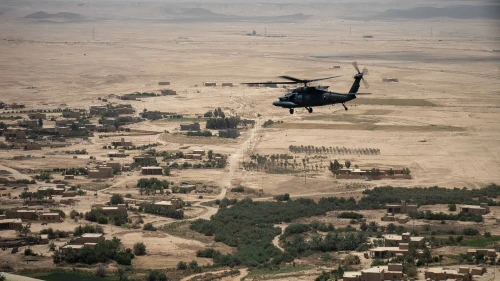
Facilitating an orderly and secure transfer “is critical to preventing a breakout that would pose a direct threat to the United States and regional security,” CENTCOM commander Adm. Brad Cooper said.
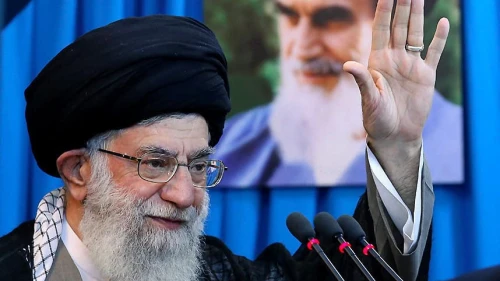
U.S. President Donald Trump has called for “new leadership in Iran.”
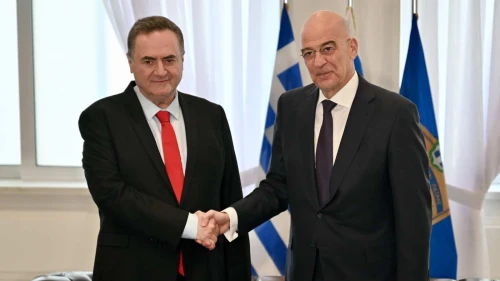
The allies agreed to expand defense cooperation on anti-drone systems and cybersecurity during a meeting between their defense ministers in Athens.

The deal allows for “renewed dialogue and cooperation toward a unified Syria,” said U.S. envoy Tom Barrack.

The Israeli education minister and Emirati officials talked about teaching Jewish history, as well as deepening academic ties for innovation purposes.

Masoud Pezeshkian blamed sanctions by the United States and its allies for the “hardship and difficulties” Iranians are facing.

Bilal Hasan al-Jasim was tied to a deadly ISIS ambush on American troops.

Fighting resumed in northern Syria a day after President Ahmed al-Sharaa declared national recognition of the Kurdish language.

Exiled Qatar National Democratic Party head Khalid Al-Hail condemns Hamas, exposes royal family’s terror funding.