Ten people were lightly injured running to shelters during a Tuesday morning missile barrage from Iran that triggered alarms across Israel, with at least two impact sites reported in the center of the country— including a bus parking lot in Herzliya, north of Tel Aviv, where vehicles caught fire.
According to initial reports, around 20 projectiles were launched at civilian population centers, with the majority intercepted or landing in open areas.
🔴 Rocket Alert [08:41:39] - 588 Alerts 🔴:
— ILRedAlert (@ILRedAlert) June 17, 2025
• Shfela (Lowlands) — Beit Hanan, Ayanot, Ptachia, Neta'im, Be'er Yacov, Rehovot, Lod, Ben Shemen Youth Village, Hulda, Rishon LeZion - East, Sitria, Netzer Hazani, Kfar Bilu, Beit Dagan, Pdaya, Netzer Sireni, Achiezer, Ganot, Gibton,… pic.twitter.com/IXk421NRo4
Magen David Adom emergency teams conducted sweeps across several locations following the recent sirens, confirming that no casualties were identified at the scenes. However, 10 individuals sustained minor injuries while making their way to protected areas and were receiving treatment from MDA personnel.
According to an official update from the Israeli Health Ministry, a total of 154 people had arrived at hospitals following the overnight and morning attacks. Of these, four were in moderate condition, 130 in mild condition, five were suffering from anxiety, and 15 were still undergoing medical evaluation with their condition yet to be determined.
The ministry noted that most injuries occurred while people were rushing to shelters or required psychological support, rather than from direct missile impacts.
Fire and Rescue Services reported eight separate incidents, with most involving fires in open areas across the Sharon, Central and Dan regions. The blazes were attributed to falling missile fragments, prompting the deployment of 20 firefighting teams to manage the situation in the affected sectors.
Iran launches fewer missiles in overnight attacks
Fewer than 10 ballistic missiles were launched from Iran at Israel overnight Monday, according to Israel Defense Forces assessments.
The attacks occurred in three separate waves, targeting central and northern regions of the country just after midnight, at 3:30 a.m., and again at 4:30 a.m.
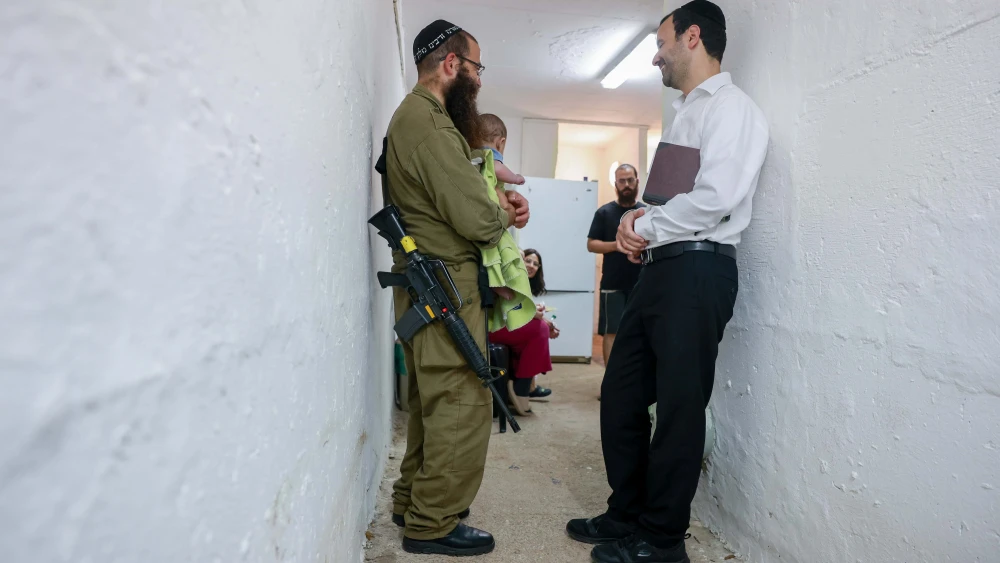
The IDF reported that the majority of the missiles were intercepted by air defense systems or landed in open areas, with no impacts recorded in urban centers. There were no reports of injuries or property damage, and emergency services confirmed that no casualties were sustained in the barrage.
Earlier on Monday night, Iran fired four missiles at Israeli civilian population centers, triggering air-raid sirens in Haifa. The attack reportedly sparked a fire in an open area but no other damage.
The Magen David Adom medical response group confirmed that it had not received any “reports of missile impacts or casualties, except for a few lightly injured individuals who were hurt while making their way to a shelter.”
However, in the early hours of Monday, eight people were killed and nearly 300 wounded by Iranian ballistic-missile impacts in Petach Tikvah, Bnei Brak and Haifa.
Five of the deaths took place in the greater Tel Aviv area—four in Petach Tikvah and one in Bnei Brak. Three people who were initially reported as being trapped in Haifa were later declared dead, while a 30-year-old woman was rescued and hospitalized in serious condition.
Since the start of “Operation Rising Lion” on June 13 and before Monday night’s assaults, Iran had launched around 350 ballistic missiles at cities across Israel, according to military estimates. At least 24 people have been killed in the attacks—three on Friday, 13 overnight Saturday and eight early on Monday. Hundreds have been wounded.
However, the overnight attack marked a significant reduction in both the scale and impact of the assault, as Israel’s air defenses remained on high alert.
The Israeli Air Force has destroyed more than 120 missile launchers since the start of “Operation Rising Lion,” comprising a third of the Iranian regime’s total, the military said on Monday. Overnight Monday, the IAF struck “dozens of surface-to-surface missile storage and launch infrastructure” in western Iran. In addition, surface-to-air missile launchers and UAV storage sites were also struck.
תיעוד מתקיפות חיל האוויר הלילה במערב איראן: הושמדו עשרות תשתיות לאחסון ולשיגור טילי קרקע-קרקע ומשגרי טילי קרקע-אוויר של המשטר האיראני
— צבא ההגנה לישראל (@idfonline) June 17, 2025
מטוסי קרב של חיל האוויר השלימו הלילה מספר גלי תקיפות לעבר עשרות מטרות צבאיות של המשטר האיראני במערב איראן.
במסגרת גלי התקיפות, חיל האוויר תקף… pic.twitter.com/PdpVNXCB0S
Attack drones intercepted
Overnight, the IAF successfully intercepted 30 UAVs that were launched toward Israel, reportedly from Iran, the IDF said on Tuesday morning.
The majority of these drones were intercepted before reaching Israeli territory, with several brought down over the Golan Heights. The IDF emphasized the effectiveness of its air defense systems and released a statement: “It fell, exploded, target eliminated.”
The IDF released footage showing a dramatic interception of a UAV by an IAF helicopter.