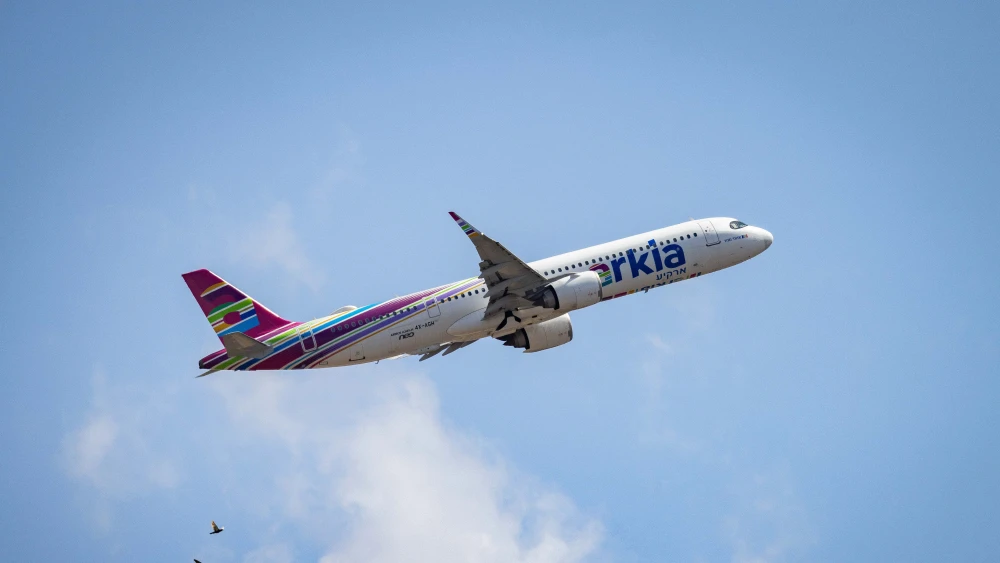
Hundreds of Israeli travelers were left stranded at Aqaba Airport (King Hussein International Airport) on Sunday after Jordanian authorities abruptly changed policy, leading to the immediate cancellation of several Arkia flights to European destinations and Thailand.
Arkia said the disruption followed Jordan’s decision not to approve certain flights operated with European aircraft, affecting part of the alternative flight route network established as a substitute for Ben-Gurion International Airport.
According to the airline, several flights scheduled to depart from Aqaba were halted at short notice, leaving passengers unable to continue their journeys abroad. Israeli officials were surprised by the move, given that the flights had been approved in advance.
Professional and security officials from Israel are in contact with their Jordanian counterparts in an effort to find an immediate solution and allow the flights to resume. Some passengers are expected to be transferred to Taba Airport in Egypt as part of contingency arrangements.
One Israeli traveler stranded in Aqaba told N12 that conditions at the airport had deteriorated rapidly. “There is no water or food here. People are in complete despair,” the passenger said.
The affected flights were part of an alternative aviation framework developed during the ongoing war, enabling Israelis to travel abroad despite disruptions to regular air traffic routes. The sudden policy change by Jordan has raised concerns about the reliability of regional transit arrangements at a time when many Israeli travelers are already facing limited options for international flights.
Taba fee doubled
On Saturday morning, Egyptian authorities doubled the crossing fee at the Taba border to $120 per passenger, Maariv reported. It is the second increase since the start of “Operation Roaring Lion” on Feb. 28.
In addition, each passenger must pay a 120 shekel (about $38.25) crossing fee on the Israeli side.