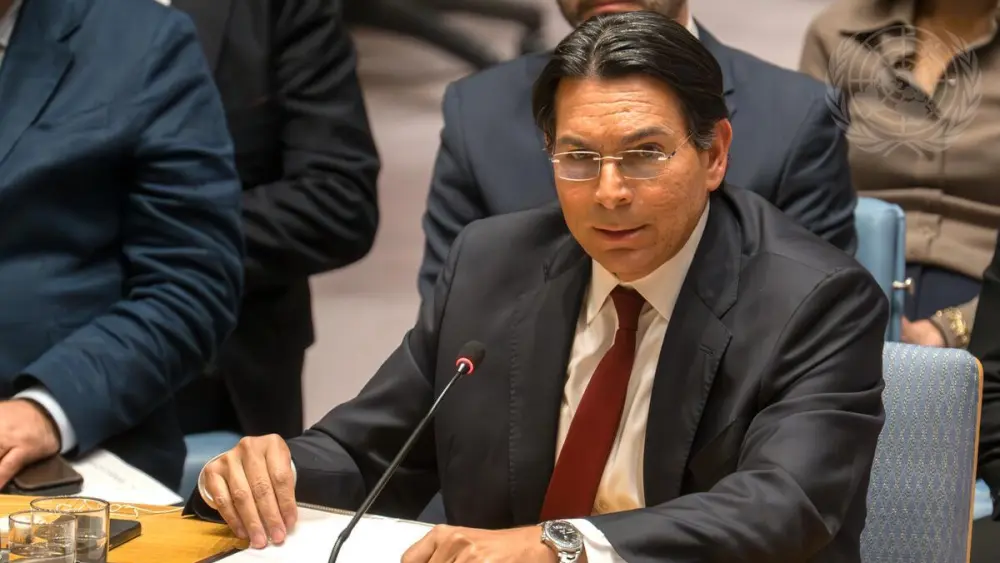
Danny Danon, Israeli ambassador to the United Nations, said on Monday that the Jewish state had “no choice” but to defend against Hezbollah attacks, as the U.N. Security Council urged de-escalation on both sides to avoid the conflict spiraling further.
The Israeli envoy spoke at an emergency session, which France called after Israeli troops pushed deeper into Lebanese territory to try to thwart Hezbollah, the Iran-backed terror proxy that controls the southern part of the country.
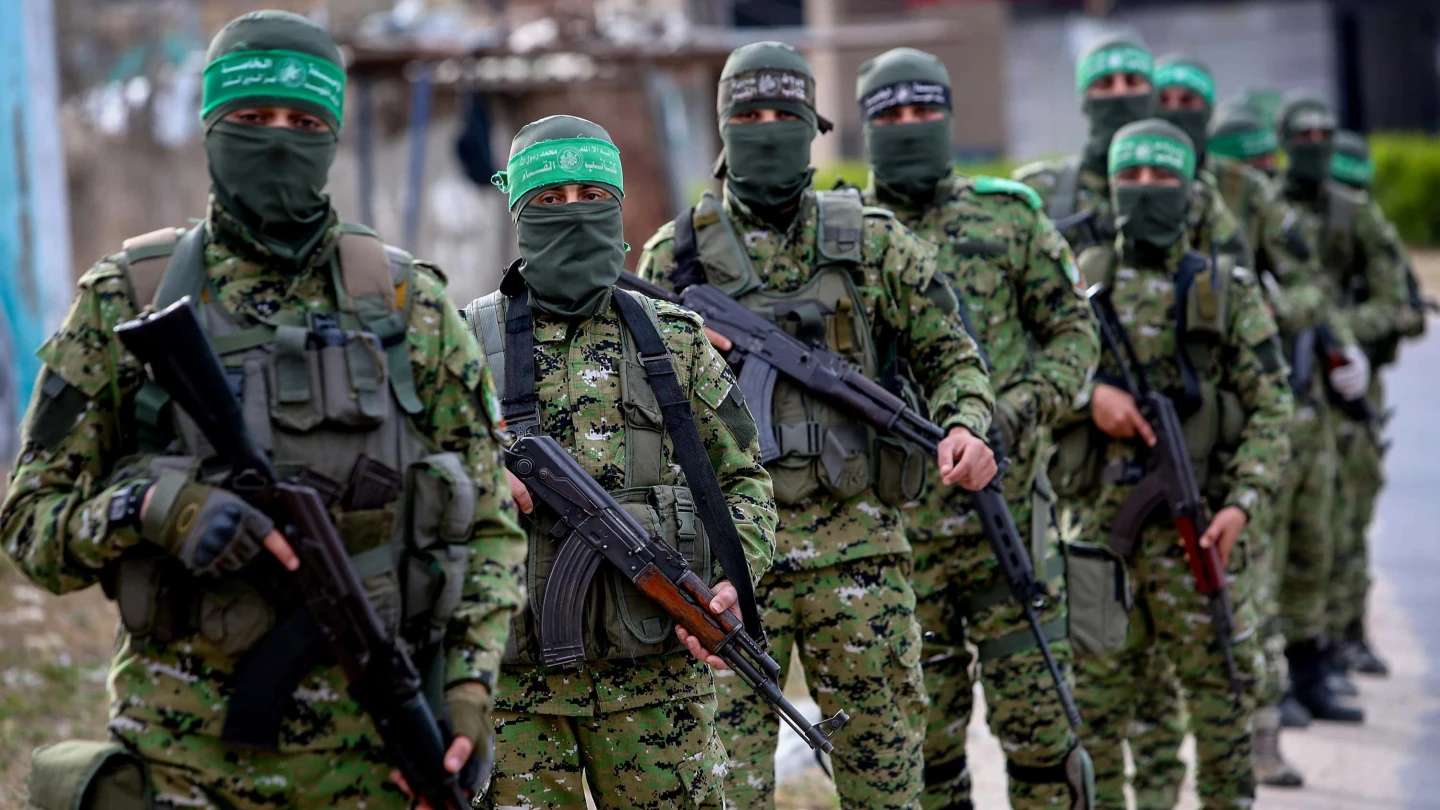
Hezbollah has expanded its rocket, drone and missile attacks into Israel, as Jerusalem negotiates with the government in Beirut over a disarmament of Hezbollah and a longer-term peace between the two countries.
U.S. President Donald Trump said on Monday that Israel and Hezbollah agreed not to attack each other further and that Israeli troops would not march on to Beirut.
Israeli Prime Minister Benjamin Netanyahu said that he told Trump that Israel would strike Hezbollah targets in Beirut if the terror group’s attacks continue. On Sunday, Israeli forces moved deeper into southern Lebanon, capturing Beaufort Castle, which housed Israeli army headquarters from 1982 to 2000 during the long-running war between the two nations.
Hezbollah joined Iran in early March in Tehran’s war with the United States and Israel. Despite pledges by the Lebanese government, it appears unable or unwilling to disarm Hezbollah.
Israel “did not wake up one morning and decide to enter Lebanon,” Danon told the council. It “had no choice,” as Hezbollah has increased its fire on Israel’s northern communities despite a ceasefire in place, Danon said.
Danon asked the French delegate what would happen if Spain attacked his country.
“Would you wait until the drones were buzzing over Paris?” Danon asked.
France, China, Russia and the United Kingdom criticized Israel harshly on Monday. The United States was the only permanent member of the council to stand behind the Jewish state.
Jérôme Bonnafont, the French envoy to the global body, told the council that Israel was making “a major strategic mistake” in Lebanon.
Israel had a right to defend itself against Hezbollah, but “nothing can justify the continuation and scale of its military operations in Lebanon,” Bonnafont said.
James Kariuki, the United Kingdom’s deputy ambassador to the United Nations, called the Israel Defense Forces’ activities a “reckless and disproportionate escalation” that put the Lebanese government “under further strain.”
Mike Waltz, U.S. ambassador to the United Nations, stressed Trump’s direct stewardship of diplomatic efforts to extend the Israel-Lebanon ceasefire.
He praised the Lebanese government for “demonstrating real courage and leadership,” as it tries to regain sovereignty in the south from “a terrorist organization that answers to Tehran.”
Noting that Hezbollah promised to cease its attacks, Waltz said that Iran must stop using Lebanon as “a forward operating base.”
The Iranian regime has insisted that any agreement with the United States to bring an end to the war must include an Israeli commitment to a permanent ceasefire with Hezbollah.