The Israel Defense Forces’ Home Front Command on Monday night updated its restrictions on public gatherings, allowing schools to reopen in parts of the north, while again limiting large events in other areas, including Jerusalem.
In communities in the so-called “frontline areas” along the border with Lebanon, educational activities will be permitted, but only inside bomb shelters, while in the northern Golan Heights and Upper Galilee schools will be allowed to reopen provided an adequate protected space can be reached in time.
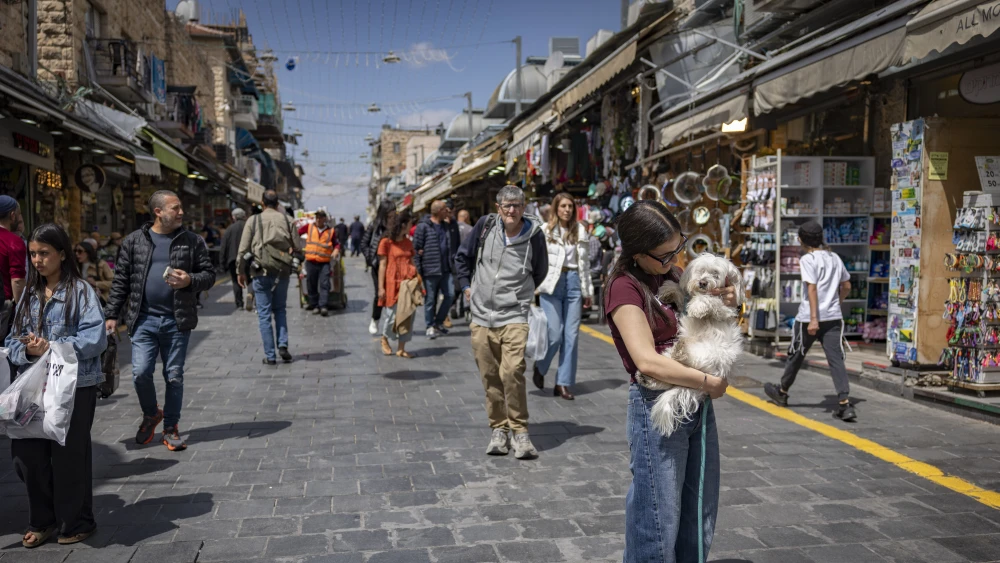
Meanwhile, public gatherings are now limited to 5,000 people in Jerusalem, the Negev, the Judean Foothills, Lachish, Gaza border communities, Judea, the Jordan Valley, the Beit She’an Valley, the southern Golan Heights, the Dead Sea, Eilat and the Arava. Limits on gatherings in these areas had previously been lifted.
In the rest of the country, no changes were made to the defensive guidelines. Nearly all Home Front Command restrictions were lifted last week following the ceasefire between the United States and Iran, allowing most schools and workplaces to reopen.
The updated guidelines will remain in effect until Tuesday, April 14 at 8 p.m., when a new situational assessment will be held by the Home Front Command, the IDF said.
The Home Front Command on Saturday night had announced the suspension of all educational activities and restricted public gatherings in communities near the Lebanese border.
The decision to close schools, including those operating in fortified buildings, followed an assessment that Iran-backed Hezbollah would intensify attacks on northern Israeli communities on Sunday and Monday, Channel 12 News reported.
On Monday afternoon, an Israeli woman sustained minor injuries when a Hezbollah rocket directly struck a residential building in the northern city of Nahariya.
The Magen David Adom medical emergency response group confirmed that it treated a woman in her 60s with injuries from the blast and shrapnel. “Additional MDA teams are providing medical treatment on-site to a person suffering from anxiety,” the NGO added.