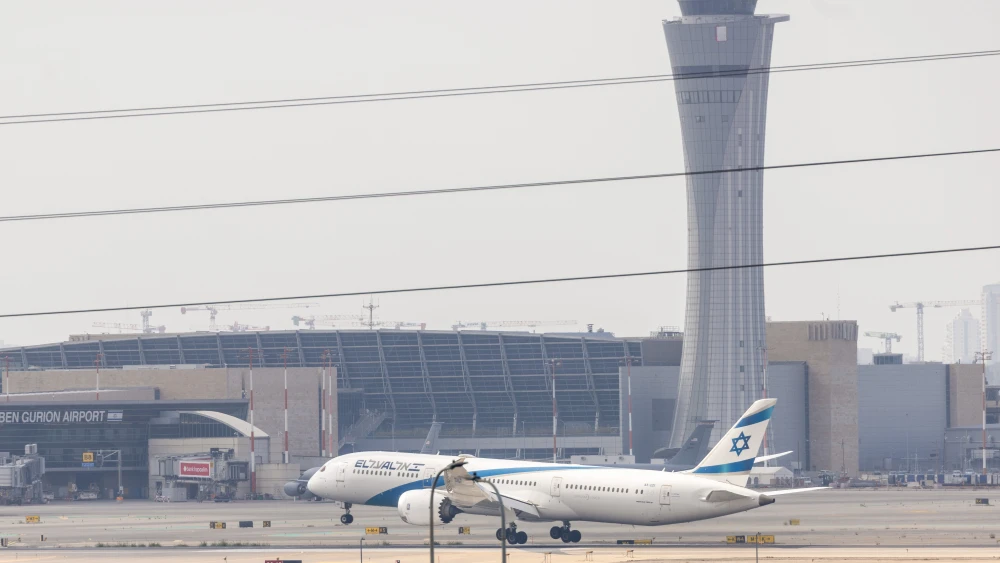
Israel will slightly increase the number of passengers permitted on wartime flights starting Monday, a spokesperson for the Israeli minister of transportation said on Sunday.
The new policy allows 100 passengers on outbound flights, up from a previous limit of 80 per flight, while no restrictions are in place on incoming flights.
No change in the number of takeoffs and landings was authorized yet, and flights remain restricted to one per hour as the country’s airspace remains virtually closed to regular commercial air traffic amid the ongoing war with Iran.
The flight restrictions will be reviewed again after the week-long Passover holiday, which ends in Israel on Wednesday night.
Since the outbreak of the war against Iran on Feb. 28, no international airlines have been flying to Tel Aviv. Only Israeli carriers have been offering limited and restricted service, primarily repatriation flights.
Israel’s flag carrier, El Al, which has canceled all its regularly scheduled flights through April 18, is only operating limited flights from Tel Aviv to New York, Newark, Los Angeles, Miami, London, Paris, Rome and Athens, while smaller airlines have mostly been running flights from Taba in the Sinai Peninsula.
Israel’s wartime restrictions on the country’s airspace are tentatively in place through April 16, though the date could change based on security conditions on the ground.