


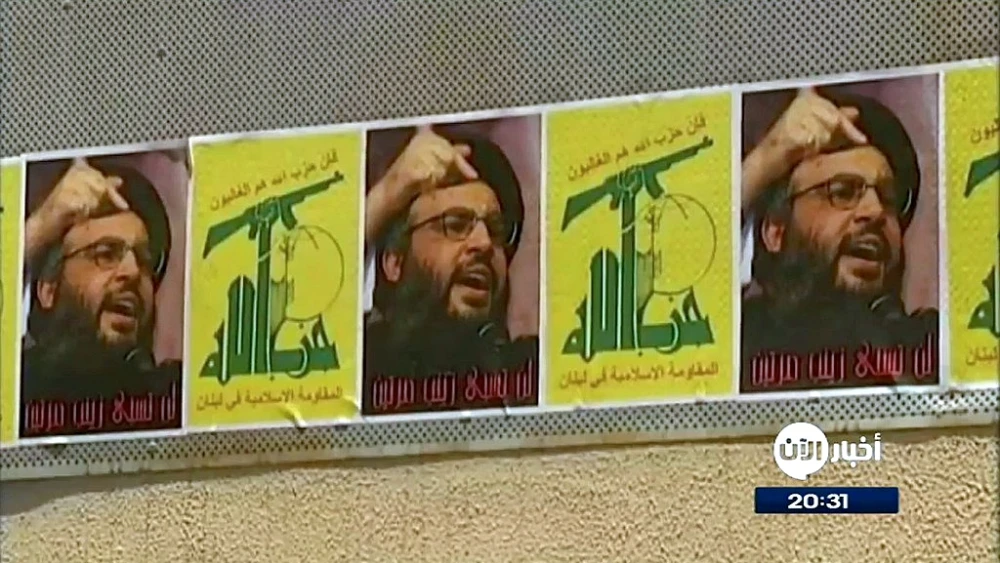
Social-media giants Facebook and Twitter shut down accounts belonging to Hezbollah over the weekend, blocking the terrorist group’s channels on Friday night. Hezbollah officials said the blocks were implemented “without prior warning.”
Using the Telegram encrypted messaging app, Hezbollah representatives protested the move, saying that the sanctions came without warning and were “part of the propaganda campaign against the resistance due to the important role of the organization’s information apparatus in various arenas.”
Neither Facebook nor Twitter has thus far provided an explanation for their decision to deactivate the accounts.
Hezbollah’s Facebook account was previously blocked in 2017, but the organization bypassed the block by launching an alternate account.
Despite the closures, Internet users were redirected to new and existing pages affiliated with the terrorist group, Israeli media reported.
The Hezbollah accounts were blocked a day after the Lebanese group aired previously unseen footage from a 2006 border attack against Israeli soldiers that sparked the Second Lebanon War.
The footage, uploaded to a Hezbollah-linked Twitter account, featured footage of the moments after Hezbollah terrorists shot and killed Israeli troops patrolling the Lebanese border.
On June 12, Public Security Minister Gilad Erdan called on Twitter to remove accounts that are clearly linked to terrorist organizations such as Hamas, Islamic Jihad or Hezbollah, or face potential legal action.
In a letter to Twitter CEO Jack Dorsey and to executive chairman Omid Kordestani, Erdan noted that unlike other social-media platforms, Twitter has consistently refused Israeli authorities’ requests to remove content posted by terrorist groups or block accounts that feature support of or incitement to terrorism.


