


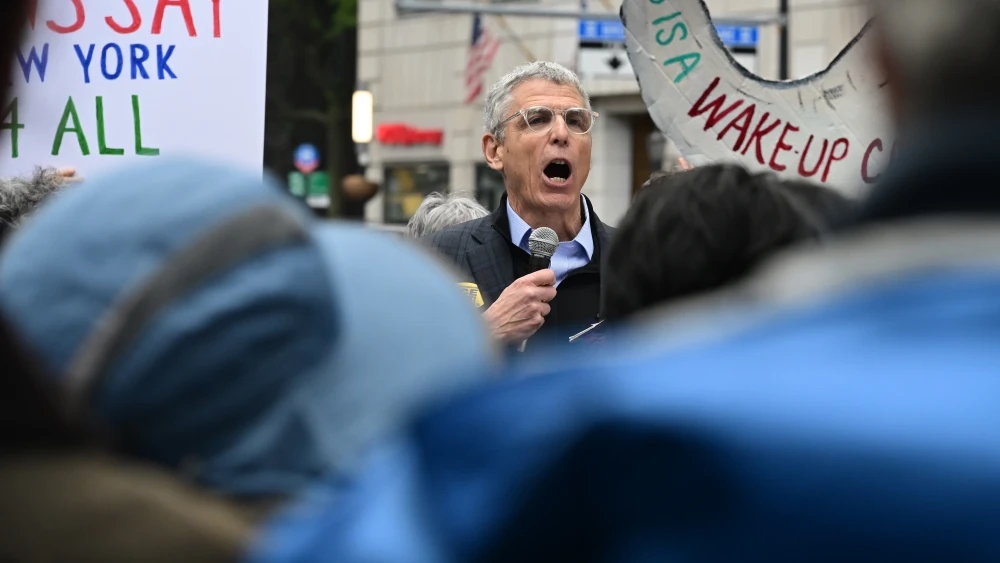
When he faced New York City Mayor Zohran Mamdani at a closed-door meeting with other New York rabbis in early August, Rabbi Rick Jacobs told the mayor plainly that his inflammatory rhetoric on Israel was “making Jews less safe,” he told JNS.
But heading into the High Holidays, the president of the Union for Reform Judaism, the movement’s congregational arm in North America, wants safety and security to be the last things about which Jews think when they walk into synagogue.
“No one should, for one moment, in any way minimize the real security challenges to being Jewish in this moment,” Jacobs told JNS. “But that’s not the main reason why we have a Jewish community.”
One of the 70-year-old rabbi’s priorities this year is to “make sure to attend to security but not let security overwhelm the whole experience and the observance of the holidays.”
“We have holy things to do,” he said. “We have a community that is also about celebration, joy, pride in being Jewish.”
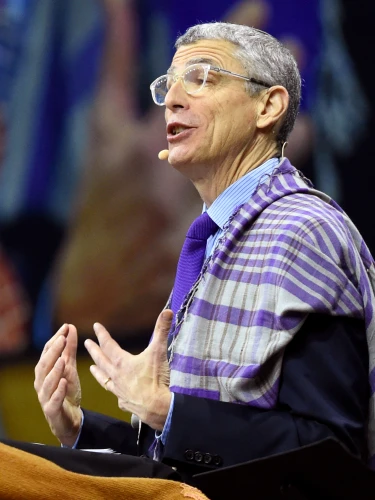
He told JNS that anti-Israel views among Reform Jews, reportedly among younger Reform rabbis in particular, are not as concerning going into the High Holidays and looking ahead as media reports have suggested.
He called those reports “inaccurate.”
“Anytime they see someone who’s an anti-Zionist, they say, ‘Oh, they’re Reform,’” Jacobs told JNS. “There are some anti-Zionists within the Reform movement. There are some within the Conservative movement, and yes, even some within the Orthodox.”
“The largest swath of our movement is connected to Israel,” and is supportive of Israel as a “democratic, Jewish, pluralistic state,” he said. “So let’s be clear about that.”
Jacobs has spoken with many members of the Reform Movement who hold different views about Israel, particularly younger Jews. He has found that many “are feeling very judged.”
“Rather than scold them, I like to actually talk with them,” he told JNS. “I like to listen. I think our job is also to be supportive of their own quest for understanding.”
Don’t worry, be busy
Jacobs spoke to JNS for nearly an hour, ahead of his 15-year anniversary at the helm of the congregational arm of what it says is North America’s largest Jewish movement.
Since becoming URJ president in 2012, Jacobs has led the movement through several challenging periods, including the global pandemic, Oct. 7 and the ensuing upheaval.
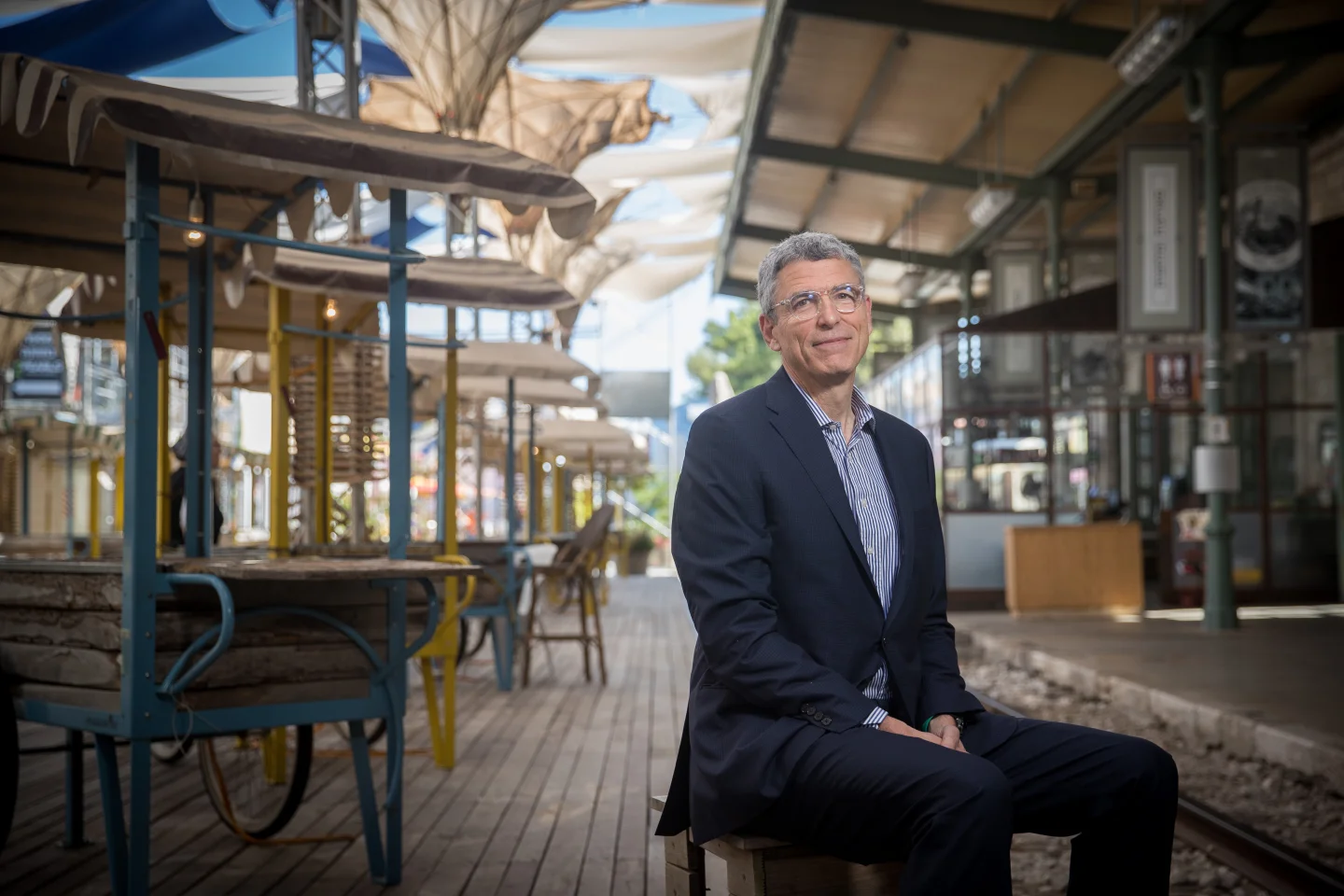
Those challenges now include what Jacobs called the “toxic polarization” among Americans, “imperiled” democracy—which he said “is the thing that has kept Jews safe—and efforts to make it “more difficult for people to vote.”
Through it all, his approach has remained to “roll up our sleeves, get busy, do something constructive to address the challenges.”
“My response and our movement’s response is not just to be worried but to be busy,” he told JNS. “We’re not a people that will just cower in fear. We’re a people that will stand up for what we believe in.”
Rising Jew-hatred, which Jacobs said “wasn’t really so pronounced 15 years ago” but is now “a dominant reality,” has been another challenge during his tenure.
His meeting with Mamdani was one example of how he believes that Jewish leaders should respond.
“We meet with the people who are in leadership, whatever we think of them,” Jacobs said. “That’s our opportunity. To not meet means that our voices will not be heard, our concerns will not be in any way noticed.”
The discussion included “rabbinic colleagues from across the spectrum,” including Orthodox, Reform, Conservative and Reconstructionist movements, who were united in the view that the mayor’s rhetoric about Israel had been “unhelpful and hurtful” and had “created more danger for the Jewish community,” he said.
“What was amazing about our meeting was we weren’t divided as a rabbinate,” Jacobs told JNS. “We were a minyan of rabbis, but we were not divided on these questions.”
That willingness to work across ideological and denominational lines characterizes much of the rabbi’s approach to the role.
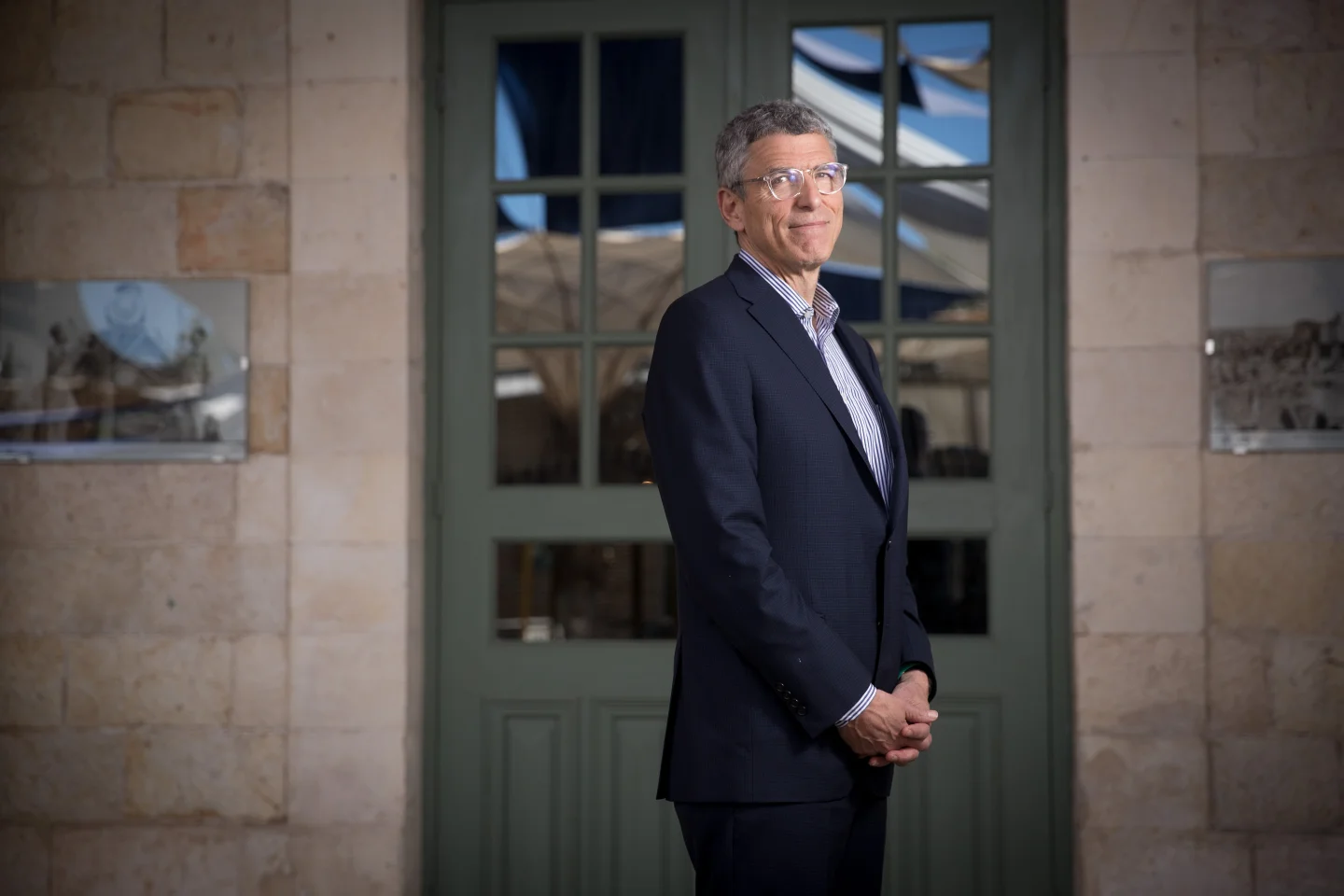
He works very closely with Orthodox and Conservative leaders, and with the Orthodox Union, Jewish Federations of North America, American Jewish Committee, Anti-Defamation League and the Jewish Agency for Israel, he told JNS.
“More often than not, we work very, very well together, even in our differences,” he said. “We understand that there’s something profound we need to do together.”
For Jacobs, that approach is rooted partly in his path through the Jewish world.
‘Called to lead’
He spent the first decade of his life in a Conservative synagogue before his family moved to California and joined a Reform congregation. He later attended Reform summer camps and studied in Israel as a college student.
“I just fell in love,” Jacobs said, of Israel. “I thought seriously about aliyah, and I would have loved to have done that, but I felt called also to lead here in North America.”
While in Israel, Jacobs studied with Rabbi David Hartman, the Orthodox founder of the Shalom Hartman Institute and a disciple of Rabbi Joseph B. Soloveitchik, the Modern Orthodox luminary affectionately known as “the Rav.”
He also spent a month and a half volunteering on an Orthodox kibbutz.
“For me, I have a deep commitment and love for the many expressions of Judaism,” Jacobs told JNS. The kibbutz “wasn’t my home in that sense, but I was really glad that I spent that time.”
Living on the kibbutz also inspired the way he leads the Reform movement, “because I’m comfortable in the wider Jewish community,” he said.
A large part of Jacobs’s role as a public Jewish leader is balancing his deep connection to Israel with his willingness to criticize its government, he told JNS.
“Love for people and the country is not synonymous with agreement between the current Israeli government or the next Israeli government or the prior Israeli government, as it is here in the United States,” he said.
“I’m sure everybody has been happy and unhappy at some point in the last 10 years, no matter where you are on the spectrum,” he told JNS.
Opening doors
Jacobs is focused during the High Holidays on reaching Jews, who may feel uncertain about where they belong.
“How do we find ways to bring people into the synagogue, into Jewish community, who have yet to find their Jewish home?” he told JNS. “So many have maybe made their decision to live outside of the organized Jewish world.”
“What are the doorways that we can open?” he said. “I think it’s an opportunity, a moment of beginning, to try and help more people begin this new year feeling connected, feeling as if they truly belong in the Jewish community.”
The Reform rabbi plans to commemorate the 25th anniversary of the Sept. 11 terrorist attacks, which falls at the start of Rosh Hashanah.
He told JNS that he had “many congregants” who were in and near the World Trade Center that day in 2001 and that he later buried victims of the attacks.
“The 25th anniversary is obligatory for us,” he said. “It’s Yom Hazikaron, one of the names for the High Holidays, the ‘day of remembering.’ How do we not remember those people?”
Jacobs told JNS that it would be an “ignorant view of the Jewish tradition” to suggest that commemorating the attacks might conflict with the nature of the High Holidays.
“Many, many people in the Jewish community were directly killed on 9/11,” he said. “To think that that does not have a place in our spiritual observance—I have trouble even imagining that.”
He cannot “imagine a Jewish community, particularly in New York, that’s not going to have a very emotional opportunity during Rosh Hashanah to think about that moment.”
“9/11 was one of the most brutal terrorist attacks our country’s ever known,” he told JNS. “Now with terrorism in Israel and here and around the world—how is that not a really clear present danger?”
But despite the dangers Jews face at home and abroad, Jacobs rejects the idea that American Jewish life is nearing its end or that fear should guide the Jewish community throughout the holidays.
“I think if people feel unsafe and if the United States of America is no longer safe for Jews, that’s a pretty dark moment for the whole global community,” he told JNS. “This is a place that has been unique in the history of the Jewish people.”
The United States has offered Jews “more freedoms” and “more opportunities than any country we’ve ever lived in,” he said. “The idea that the end of Jewish life in America is upon us is not my reading.”
Quoting the Israeli poet Yehuda Amichai, Jacobs said that the Jewish people is negu’ei tikvah—“infected with hope.”
“We’re concerned. We’re engaged, but I don’t think the time has come,” he told JNS. “I pray it will never come.”


