A plurality of U.S. voters believe the war with Iran will make the world less safe, while majorities oppose both U.S. military action and U.S. President Donald Trump’s handling of the conflict, according to a new national poll by Quinnipiac University.
The survey, conducted March 19–23, found that 42% of registered voters said the conflict would make the world less safe, compared with 35% who said it would make the world safer and 20% who said it would make no difference. Sharp partisan divisions underpinned the results. Among Republicans, 79% said the war would improve global safety, while 8% said it would make the world less safe. Just 2% of Democrats said it would make the world safer, with 74% saying it would make it less safe and 22% expecting no impact. Independents were more skeptical, with 49% saying the world would be less safe and 25% more safe.
“Is this war in the best interest of the world’s welfare? There is a yawning divide between Democrats and Republicans, and independents are clearly skeptical,” said Quinnipac polling analyst Tim Malloy.
A majority of voters, 54%, said they oppose U.S. military action against Iran, while 39% support it—largely unchanged from earlier polling this month. Republicans backed the operation by an 86%–9% margin, while Democrats opposed it 92%–5% and independents 64%–28%.
On expectations for the conflict’s trajectory, 52% said it has unfolded about as they anticipated for the United States, with 13% saying it has gone better than expected and 28% worse.
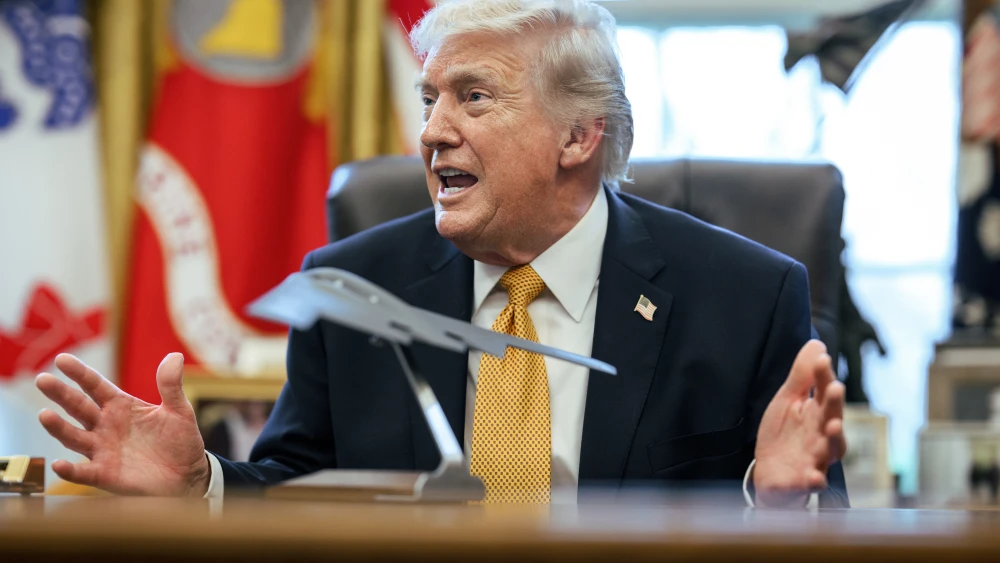
Trump’s approval ratings in the poll remained underwater. Thirty-four percent approved of his handling of the situation with Iran, while 59% disapproved. Overall job approval stood at 38%, with 56% disapproving.
Looking ahead to November’s midterm elections, voters said by a 51%–40% margin that they would prefer Democrats to control the U.S. House of Representatives.
The poll surveyed 1,191 self-identified registered voters nationwide and has a margin of error of plus or minus 3.6 percentage points.