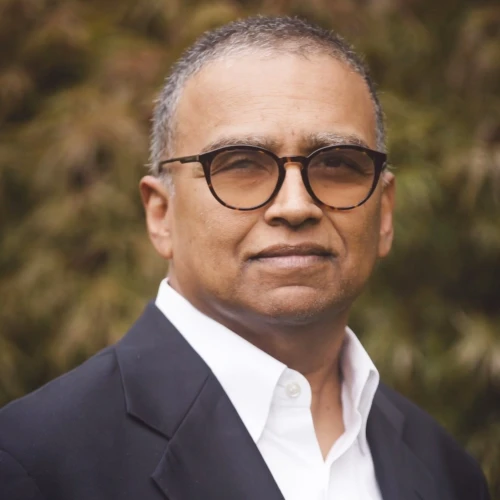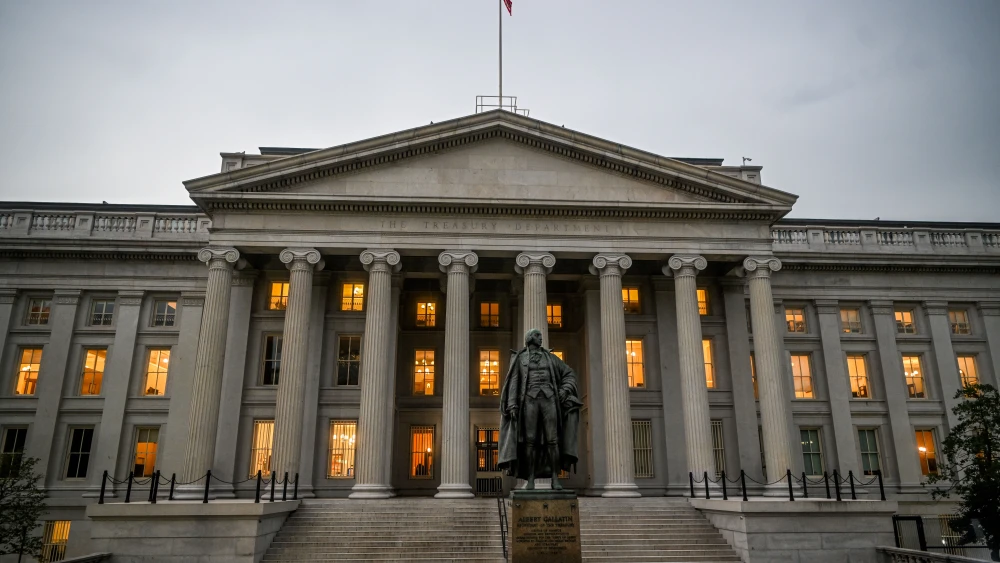
The U.S. Department of the Treasury sanctioned two cryptocurrency exchanges, Shelbit Exchange and Aban Tether, and Siavash Kayvanpour, an Iran-born businessman, whom the department accused of operating a multinational network of companies involved in illicit cryptocurrency transactions.
The department said on Friday that it was “moving against digital asset exchanges that the Iranian regime relies on to launder billions of dollars, maintain covert access to international financial systems and support the Islamic Revolutionary Guard Corps, among other terrorist groups.”
The alleged criminals use “sprawling corporate networks” and “unlicensed or lightly regulated digital currency exchange platforms,” as well as a gambling operation, the federal government said.
The Islamic Revolutionary Guard Corps sent more than $1 million to Shelbit via cryptocurrency addresses, and addresses associated with Shelbit sent more than $2 million to wallets linked to the IRGC, according to the Treasury Department.
Addresses that Kayvanpour controlled allegedly transferred more than $2 million to Nobitex, another Iranian cryptocurrency exchange that Washington had previously sanctioned.
Shelbit was also used to launder tens of millions of dollars in digital assets through a large Persian-language online gambling network, and Aban Tether, an Iran-based cryptocurrency exchange, processed millions of dollars in transactions with previously sanctioned Iranian exchanges, including Nobitex, Wallex, Bitpin and Ramzinex, the Treasury Department said.
The U.S. State Department is offering a reward of up to $15 million for information “leading to the disruption of the financial mechanisms of Iran’s IRGC and its various branches.”
“The Iranian regime’s reliance on digital assets and shadow banking networks is further evidence that Economic Fury is working,” Scott Bessent, U.S. treasury secretary, stated.
“We will continue to increase the economic pressure,” he said. “Whether in dollars, rials or crypto, Treasury will hunt down and dismantle the illicit financial networks that keep the regime afloat.”