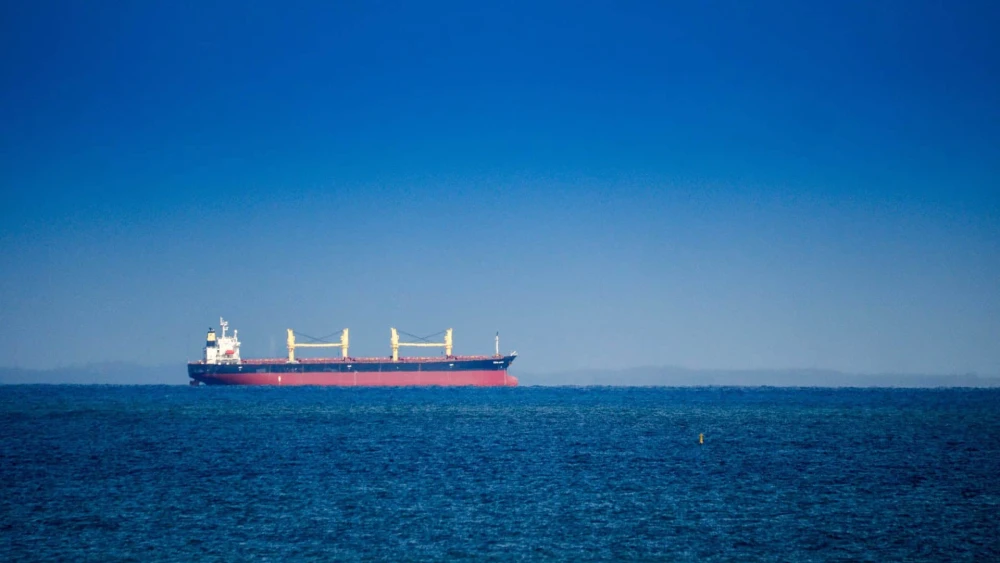
The U.S. Department of the Treasury sanctioned a law firm, shipping companies, agents and vessels on Wednesday for helping Iran transport commodities and evade U.S. sanctions.
Karnakis and Karnakis, a law firm based in Panama and Greece, “has supported illicit Iranian shipping activity for years, indirectly aiding Tehran’s ability to generate revenue to fund its military, weapons, and nuclear programs,” the department stated.
The firm established multiple companies previously sanctioned by the United States for transporting Iranian oil and petroleum products, including for the benefit of Iran’s Islamic Revolutionary Guard Corps-Quds Force and Yemen’s Houthi terrorist group, according to Treasury.
Treasury also sanctioned five individuals affiliated with the law firm who the department said have served as directors and officers of companies it registered, helping obscure their true owners.
The department designated Roxette Maritime Shipping and Trading S.A., also based in Panama and Greece and for which Karnakis and Karnakis serves as the corporate agent, whose vessels have transported Iranian-origin petrochemicals and steel products over the past year. The company operates and manages seven Panama-flagged cargo ships.
Treasury also sanctioned Singapore-based shipping agency Amigoz Singapore PTE. Ltd. for providing services to Iran’s shadow fleet, including acting as an agent for a shipment of Iranian light crude oil and providing refueling services to a vessel linked to the network.
Dubai-based Whales Shipping Line LLC was also sanctioned for supporting Amigoz and serving as a shipping agent for a sanctioned company that arranged purchases of tens of millions of dollars’ worth of Iranian petrochemicals. Two support vessels owned by Whales, the Whales Diamond and Whales Pearl, were also identified as blocked property.
Iran’s so-called shadow fleet uses deceptive shipping practices, including false flags, forged documents and shell companies, to conceal cargo origins and evade sanctions, according to the department.
“Whether you are conducting illegal oil transfers at sea or sitting in the corner office of a law firm, if you are supporting the Iranian regime, we will find you and sanction you,” Scott Bessent, U.S. treasury secretary, stated.
“Iran’s facilitators must make a choice: Either you are with us or against us. We know who you are, we know what you’re doing and we will continue to take action,” he said.
Separately, Treasury’s Financial Crimes Enforcement Network, or FinCEN, is working with European partners, including in Greece, to investigate potential links between banks and sanctioned Iranian financial institutions. The agency has issued its first administrative subpoena under the Bank Secrecy Act “to advance its investigation into a Greek bank’s potential ties to Iran and its proxies,” Treasury said.
The sanctions fall under Operation Economic Outcast, which Bessent launched in late August to cut off Iran’s illicit revenue sources and the financial channels it uses to evade sanctions. The campaign also increases the risk of secondary sanctions for foreign entities that conduct certain transactions with designated Iranian entities.