


Column
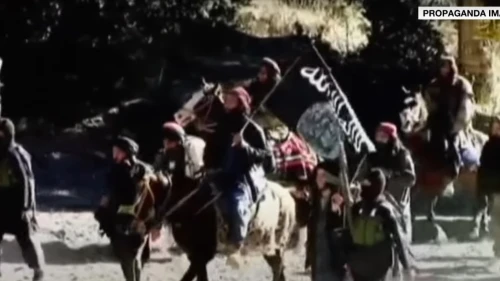
Across the Middle East, extremist regimes and terrorist groups are rejoicing in the fact that the U.S. presence and reputation in their region is a shadow of what it was just 10 years ago.
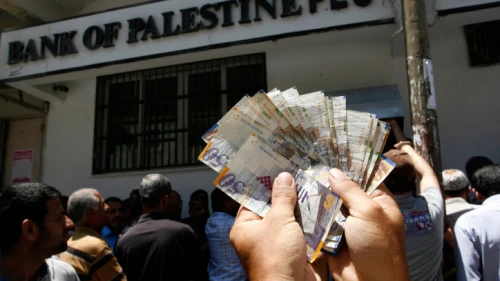
The ongoing degradation by the Palestinian Authority of Palestinian civil society’s independence may now have reached a tipping point, presenting a legal barrier to continued U.S. funding.

Thirty years ago, anti-Jewish violence was prompted by the idea that Jews were privileged. The rise of critical race theory makes the tragedy an important lesson in enabling anti-Semitism.

Remaining true to Israeli interests and “bridging gaps” with the Democratic Party is a contradiction in terms.

The prime minister wants a show of better relations with an ally. But a president in crisis who has little interest in heeding warnings about Iran isn’t likely to offer him much help.

As the president rejects all criticism of his personal failure in Afghanistan, there is effectively zero chance he will reconsider his policy of 42 years on Iran.

Larry David publicly snubbed former friend Alan Dershowitz because he represented Trump. But when politics becomes a religious culture war, it’s no laughing matter.

If robustly applied, the pain caused by sanctions could push the Pakistanis into curbing the worst tendencies of the Taliban.
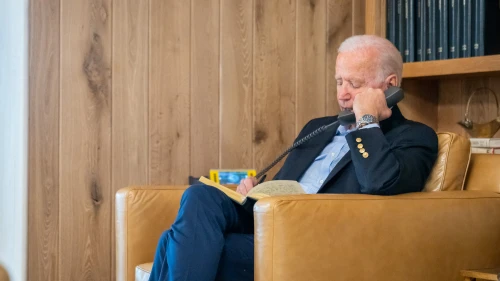
After Afghanistan, the administration may double down on Iran appeasement in pursuit of a dubious diplomatic triumph. Seeking to expand the Abraham Accords would be a better idea.

For 20 years, Americans have failed to adequately confront radical Islam as an ideology and faith. The fall of Afghanistan is a reminder that defending liberal values requires truth-telling.
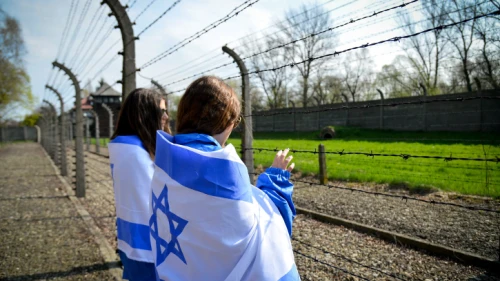
Enacting anti-Semitic laws is not the way to keep the Jewish state in Warsaw’s corner.
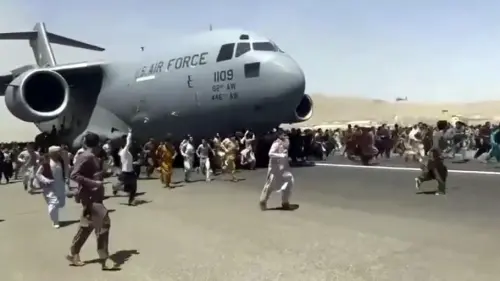
Americans will get over the humiliation they may feel about the disaster in Afghanistan. But allies like Israel must draw conclusions about the decline of the United States as a world power.