
There has been an enormous, misleading perception concerning Israeli Prime Minister Benjamin Netanyahu’s decision to agree to the latest blackmail, extortion hostage agreement with Hamas.
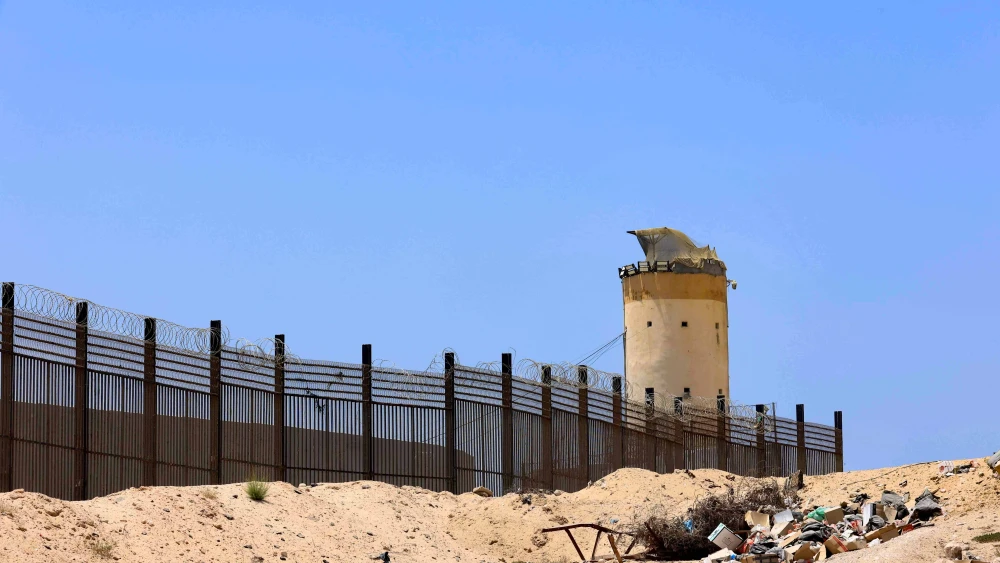
For those who have criticized the prime minister for waiting until now to sign a deal with Hamas, the fact is that if Netanyahu had agreed to its prior terms, it would have assured that many hostages would remain in Gaza, including Americans. The reason is that it is only recently that Hamas dropped its insistence that Israel agree at the outset of an agreement to a permanent ceasefire, and to leave the Egyptian-Gaza border and the Philadelphi corridor through which the terrorist group has smuggled in weapons.
Netanyahu understood months ago that if Israel gave into Hamas’s terms, it would lose any leverage or pressure it had on the terror. It was only after Israel changed the course of the war in its favor with the decimation of Hezbollah and its leadership; the loss of Syria’s military equipment and assets; the fall of Bashar Assad’s regime in Syria; and the success Israel had in knocking out Iran’s missile-defense system that Hamas began to drop its extortionist demands.
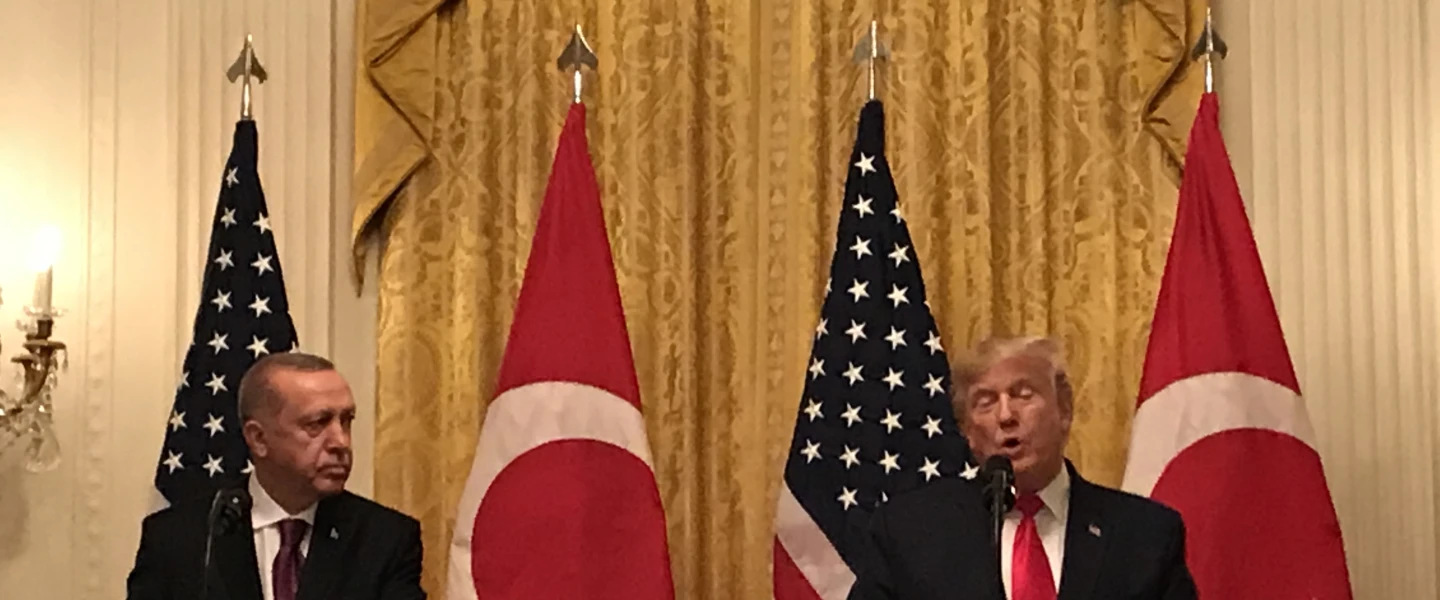
Adding to the pressure was then-President-elect Donald Trump’s threat that there would be “hell to pay” if Hamas didn’t return the hostages, and new National Security Advisor Mike Waltz saying Hamas would get a worse deal if it waited for Trump to take office before making a deal.
Even with Israel’s stronger leverage, the terms Israel agreed to were outrageous as the Jewish state is releasing many mass murderers and more than 1,000 terrorists for the return of a third of the hostages.
The fact that some terrorists set to be released have American blood on their hands makes it clear that the United States needs to implement the 20-year-old Koby Mandell Act. Named for a 13-year-old boy with dual citizenship who was stoned to death, along with a teenage friend, by Palestinians, the law requires the U.S. government to investigate and prosecute terrorists who killed Americans overseas. If these terrorists are convicted and imprisoned in the United States, Israel would not be able to release them in prisoner exchanges. It is possible that after all these years, those in government may not be aware of the Mandell Act. (A video from about eight years ago of then-Rep. Ron DeSantis (R-Fla.), now governor of Florida, leading a congressional hearing on the Obama administration’s lack of compliance with the act is on YouTube.)
The big question going forward is how can Israel and the United States get back all of the hostages, whether alive or dead, while ensuring Hamas does not remain in power in Gaza.
The only way this can be accomplished is if Washington puts pressure on those Hamas most rely upon to survive—namely, Qatar and Egypt. If the United States told Qatar that it intends to withdraw its military base from the country if all the remaining hostages, including Americans, are not released immediately, there is no doubt they would be released without Hamas’s outrageous terms.
If the United States told Egypt there would be no more U.S. aid unless it opened its border and took in the massive numbers of Palestinian Arabs in Gaza who want to leave, Egypt would open that border.
Civilians must be allowed to leave the Gaza Strip, thus ending Hamas’s ability to hide among the population. Trump’s envoy for the peace talks, Steve Witkoff, floated this idea saying if citizens in Gaza were relocated to Indonesia, it would be a significant help to end Hamas rule in Gaza.
Israel never had an offer from Hamas to release all the hostages at once. Instead, its leaders—as they did in November 2023 when more than 100 hostages came home—have prioritized the return of women, children, the elderly and the infirm. This shows Israel’s high moral principles while negotiating with the evil Hamas regime. With this deal, Israel will hopefully get back alive more than half of the hostages taken on Oct. 7.