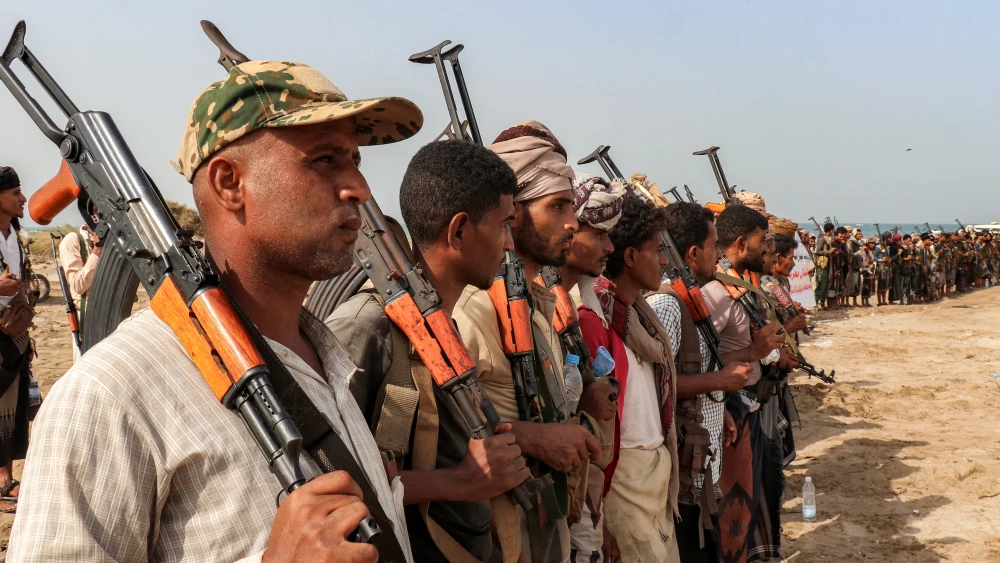

Four years after Saudi Arabia’s humiliating truce concession, the Houthis shattered Riyadh’s illusion of security by striking Abha International Airport on July 13. The trigger was the Yemeni government blocking an Iranian Mahan Air flight—a weapons pipeline for the Islamic Revolutionary Guard Corps—from landing in the Yemeni capital of Sana’a. The Houthis bypassed them entirely to target Saudi Arabia instead.
One week later, on July 20, the terror group escalated tensions by declaring an immediate naval blockade against Saudi Arabia.
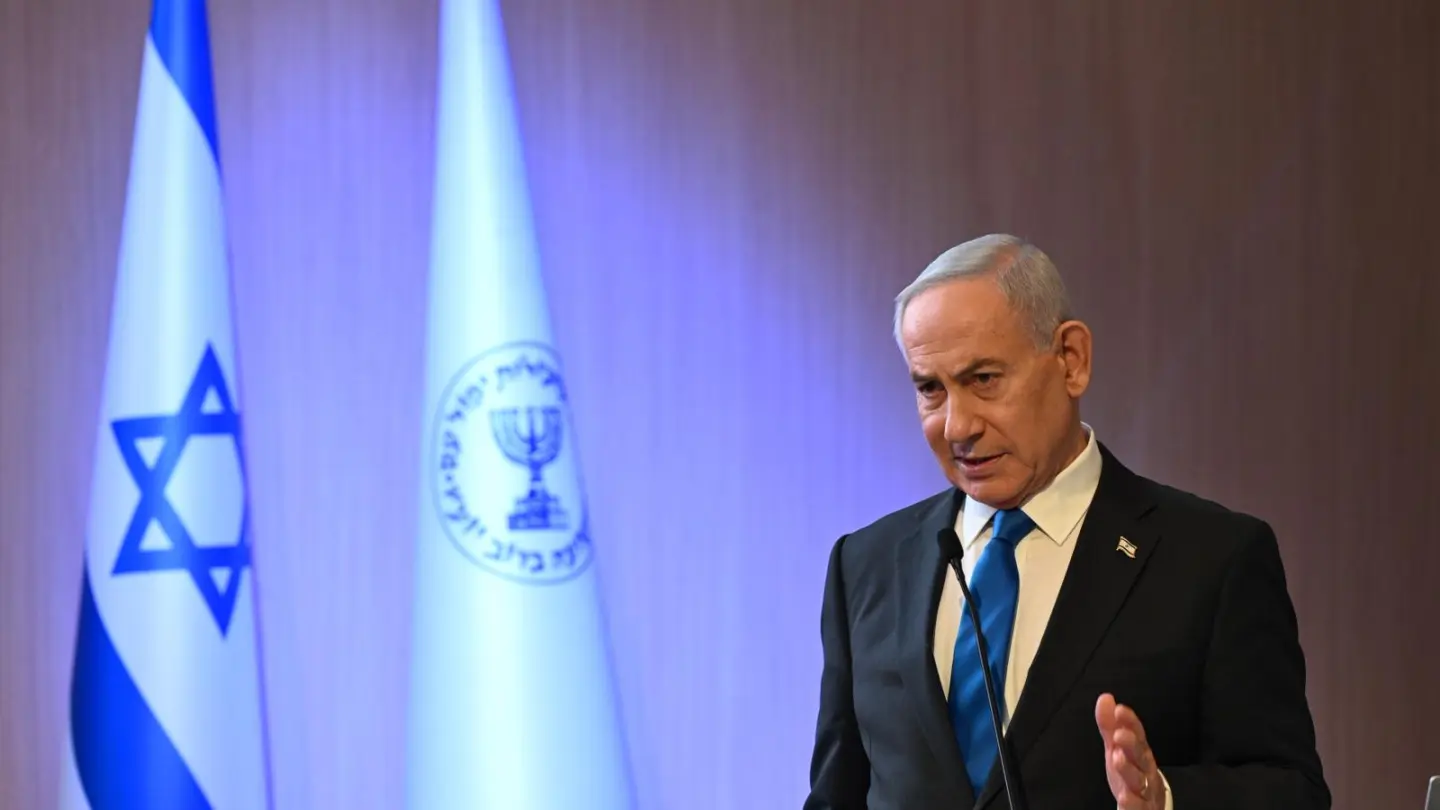
Houthi leader Abdul Malik al-Houthi’s subsequent threat to bomb Saudi oil and other infrastructure signals a dangerous paradigm shift: The Houthis now dictate the rules of engagement, fully convinced that any challenge to their rule carries an economic cost Riyadh is too terrified to pay.
As prominent Middle East analyst Nadwa Al-Dawsari has argued, the 2022 truce rested on fundamentally incompatible assumptions: Saudi Arabia viewed it as a negotiation-enabling ceasefire with itself as a mere mediator, while the Houthis treated it as a direct, bilateral agreement with Riyadh while completely rejecting the Yemeni government’s legitimacy.
Consequently, the truce did not resolve the conflict; it froze it, giving the Houthis years to consolidate their military capabilities and deepen their strategic partnership with Iran.
The attempted restoration of direct Tehran-Sana’a flights—idle for more than a decade—proves how dramatically the strategic landscape has shifted: Iran and the Houthis are openly normalizing northern Yemen as an Iran-aligned entity.
Every concession reinforces the belief that persistence defeats the deterrence of superior powers.
Riyadh strongly opposes these flights, fearing that they will be used to transfer weapons, military technology and Iranian advisers straight to the Houthis. By hitting Saudi Arabia instead of the Yemeni government that blocked the flight, the Houthis rewrote the rules of war into a new doctrine, turning Saudi Arabia into an unwilling shield to protect Houthi rule while giving Iran’s proxy de facto immunity from legitimate government pressure.
There is a striking irony in this new strategy: After failing to force Israel to change its military campaign through attacks on its territory and shipping, the Houthis are now applying that same coercive logic to Saudi Arabia. By targeting Riyadh instead of responding to Yemen’s legitimate government, the Houthis are holding Saudi Arabia hostage to local battlefield decisions. This expansion of the conflict aims to rewrite regional deterrence, forcing Riyadh to police the Yemeni government on the Houthis’ behalf.
Saudi Arabia possesses overwhelming military superiority, yet the balance of confidence has shifted: the Houthis no longer behave like a besieged insurgency, but like a regional power convinced their enemies lack the political will to fight. Their rapid retaliation was a calculated political message, proving they can strike at will. This dangerous transformation is born from a harsh reality: experience has taught the Houthis that their escalation is always rewarded with Saudi concessions.
The first major lesson came from the United States, when the Biden administration removed the Houthis from the U.S. list of Foreign Terrorist Organizations in 2021 and prioritized ending the Saudi-led military campaign in Yemen. While intended to ease humanitarian conditions and encourage diplomacy, these policies were interpreted by the Houthis as evidence that Washington preferred de-escalation over decisive confrontation.
The Saudis reinforced that perception by agreeing to the 2022 truce. Intended to reduce conflict, the Houthis interpreted it as proof that sustained resistance could force Riyadh to seek accommodation rather than victory. Instead of moderating the Houthis, the truce permanently locked in their sense of confidence.
Israel has been the only power willing to impose sustained military costs on the Houthis.
The Trump administration took this to a different level.
Although U.S. President Donald Trump reversed course by redesignating the Houthis as a Foreign Terrorist Organization and launching a military campaign in March 2025, his subsequent May 2025 ceasefire, which left the Houthis free to target Israel, sent another contradictory signal. From their perspective, sustained resistance had once again forced an American concession rather than establishing lasting deterrence.
In contrast, Israel has been the only power willing to impose sustained military costs on the Houthis, recognizing that terror groups respond to force rather than diplomacy—a hard lesson the West must learn. Yet while Israeli strikes have hit Houthi infrastructure and leadership hard, airpower alone cannot destroy an entrenched insurgency. Every pause simply allows the Houthis to rearm and adapt.
Furthermore, the Houthis aggressively exploited the rivalry between Saudi Arabia and the United Arab Emirates, fracturing the anti-Houthi coalition. While Abu Dhabi backed southern forces committed to military victory, Riyadh prioritized desperate negotiations and backed a weak internationally recognized government. This division destroyed the coalition’s leverage, directly strengthening the Houthis’ strategic position.
The consequences of this extend well beyond Yemen. Iran is already mirroring the Houthis’ methods in the Strait of Hormuz, and its entire proxy network is watching. Every concession reinforces the belief that persistence defeats the deterrence of superior powers. Islamist movements, including al-Shabaab in Somalia and Muslim Brotherhood factions in Sudan, now study the Houthis as the ultimate model of how asymmetric warfare can systematically break the political will of superior adversaries. Saudi Arabia is paying the price in renewed Houthi attacks.
The lesson should now be unmistakable: Deterrence cannot be restored through ceasefires alone, but through victory. And that requires three strategic steps.
First, Washington and Riyadh must abandon the illusion that the Houthis or Iran can be managed through accommodation; both must be decisively defeated as military forces, not merely contained.
Second, the United States and Saudi Arabia must build a broad regional coalition combining sustained air operations with a credible ground offensive, as only ground operations can dismantle the Houthis’ territorial control.
Third, military victory must be followed by a comprehensive post-war strategy that restores Yemen’s internationally recognized government, rebuilds state institutions and maintains a regional stabilization peace force.
Will Washington and Riyadh continue rewarding Iranian and proxy aggression with weak concessions, or will they finally restore credible deterrence? As the U.S. president likes to say: “We’ll see.”