Qatar

The dinner meeting at White House will reportedly focus on the Israel-Hamas hostage deal and renewed U.S. talks with Iran over its nuclear program.

“We have an opportunity to finally get a peace deal, Mr. Prime Minister, as we discussed, and I’m hopeful for it very quickly,” the U.S. envoy told Israeli Prime Minister Benjamin Netanyahu.
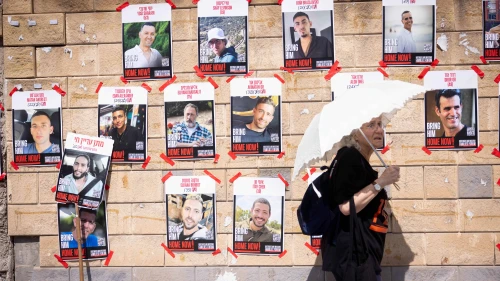
Netanyahu instructed that Jerusalem engage in “proximity talks” for the return of hostages, “on the basis of the Qatari proposal that Israel has agreed to.”

Diplomats from the seven countries and the European Union stated that Tehran shouldn’t restart “its unjustified enrichment activities.”
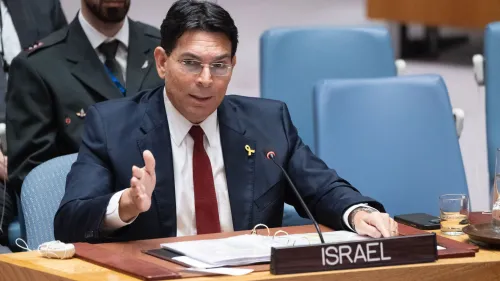
Tehran “has broken every commitment it has ever made,” the Israeli envoy told the U.N. Security Council.

Protest erupts at FIFA tournament amid U.S.-Iran tensions and Israeli-Gaza war.

Doha is working with Egypt and the U.S. to facilitate indirect talks between Israel and Hamas, aiming for a ceasefire and the release of hostages.

“The State of Qatar reserves the right to respond directly in a manner proportional to the nature and scale of this blatant aggression,” the Qatari foreign ministry stated.
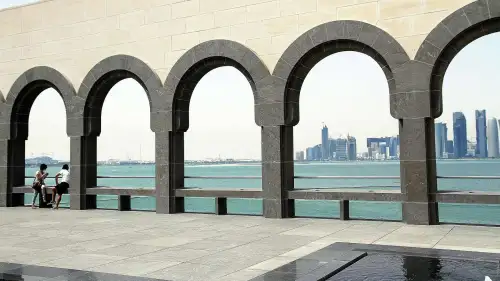
Separately, the U.S. Embassy in Doha called on American citizens in the Gulf state to shelter in place “until further notice.”

“It’s all open-source information that we have seen,” the Institute for the Study of Global Antisemitism and Policy told JNS. “Just imagine what we couldn’t find.”

Qatari-funded events are part of a sophisticated strategy to shape “the foreign-policy establishment of tomorrow,” a top Israeli researcher tells JNS.
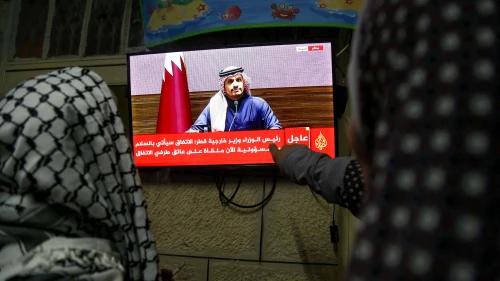
Then-Hamas politburo leader Ismail Haniyeh reportedly told Qatar’s foreign minister that the gulf state’s funding was “the main lifeline of the movement.”