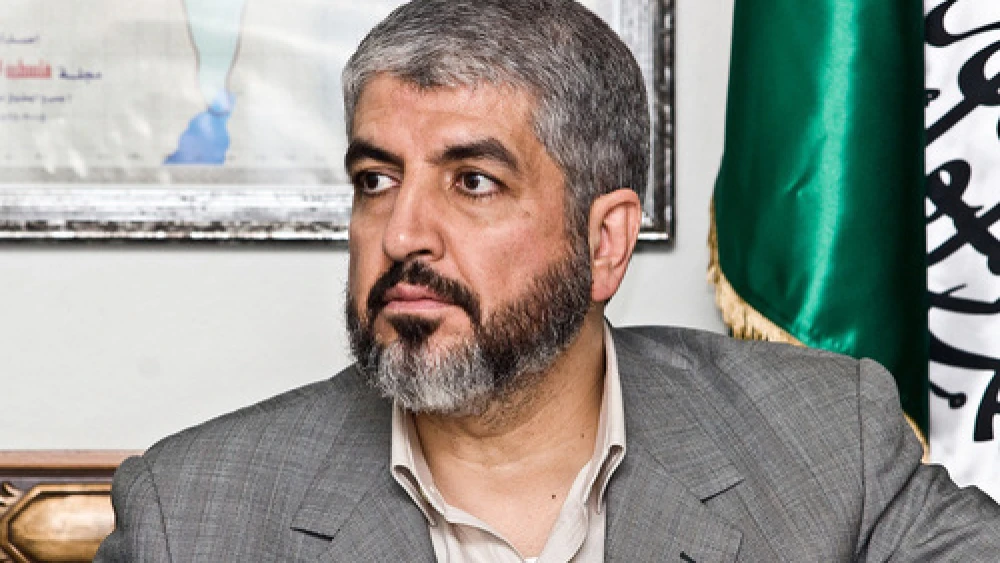
Former Hamas strongman Khaled Mashaal is seeking to make a comeback, Israel’s Kan News reported on Wednesday.
Mashaal’s bid is supported by Qatar, where he resides, and Turkey, which offers top Hamas officials a safe haven in Istanbul, according to the report.
Both countries are seeking to increase their influence on the terrorist group.
Mashaal, who assumed the leadership of Hamas in 1996, resigned in 2017, naming Ismail Haniyeh as his successor alongside Yahya Sinwar, who was named the group’s military leader.
The move meant all of Hamas’s leaders were based in the Gaza Strip, which according to Israeli defense officials has made the group more cautious, as unlike Mashaal, who was safe in Qatar, Haniyeh and Sinwar had much more to lose should a full-fledged war erupt.
The official elections for Hamas’s leadership are due to take place in the latter half of 2020 and are expected to conclude in early 2021. While Mashaal has scaled down his public appearances since stepping down, recent weeks have seen him resurface in the public eye in what is believed to be preparations to announce his leadership bid, according to Kan.
Mashaal will most likely offer Haniyeh the post of deputy leader, casting doubt on the future of current deputy leader Saleh al-Arouri, who is based in Istanbul, according to the report.
This article first appeared in Israel Hayom.