Newsletter
Newsletter Support JNS

Tel Aviv beaches found to be among most plastic-polluted

Israel’s shorelines were featured in a report by the World Wildlife Fund as the third most plastic-polluted in the Mediterranean.

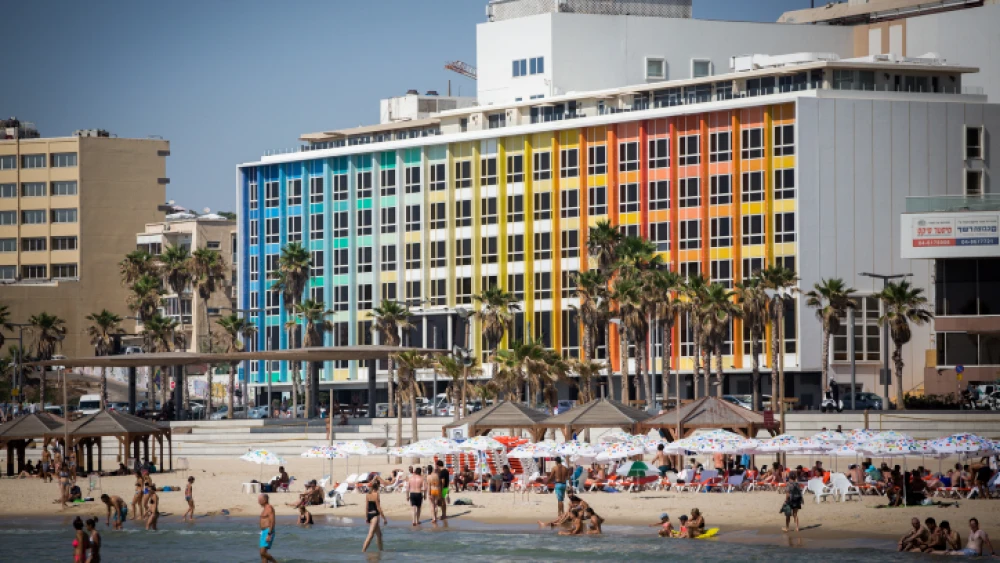
Israelis and tourists enjoy the beach in Tel Aviv on a summer day. Photo by Miriam Alster/Flash90.

Israel was featured in a report by the World Wildlife Fund last week as home to the third most plastic-polluted shoreline in the Mediterranean, according to a report by Ynet.

The Tel Aviv coast ranked behind Turkey’s Cilicia beaches and those along the coast of Barcelona, Spain.

Not all Mediterranean coastal cities were included in the investigation.

According to WWF, 46 pounds of plastic waste wash up every day along a single kilometer of Tel Aviv beach.

Barcelona’s beaches accumulate 57 pounds of plastics a day, and Turkey’s beaches more than 68 pounds.

All in all, the amount of plastic dumped into the sea equals approximately 33,800 plastic bottles’ worth every minute.

Egypt was found to be the biggest plastic waste culprit in the region, followed by Turkey.

“At a time when some would isolate Israeli academia, UCLA has chosen collaboration,” Eveline Shekhman of the American Jewish Medical Association told JNS.
“The juxtaposition of us being at the United Nations, and all those people walking out while literally their employees helped to perpetuate Oct. 7 was put in a certain frame,” Rabbi Steven Burg of Aish told JNS.
“I want you to listen to my words carefully: One day, and it may not be far away, the Iranian people will be free. Their murderous regime will be toppled by its lies, by its corruption, by its cruelty,” the Israeli prime minister said.
Jason Brodsky, of United Against Nuclear Iran, told JNS that the address carried messages to “the international community, antisemites abroad, state threats against Israel and most especially the Iranian people.”