Newsletter
Newsletter Support JNS

Tentative March 2, 2020 date set for unprecedented third Israeli elections

The proposed date has been agreed on by both Likud and Blue and White, but must still pass three Knesset readings.

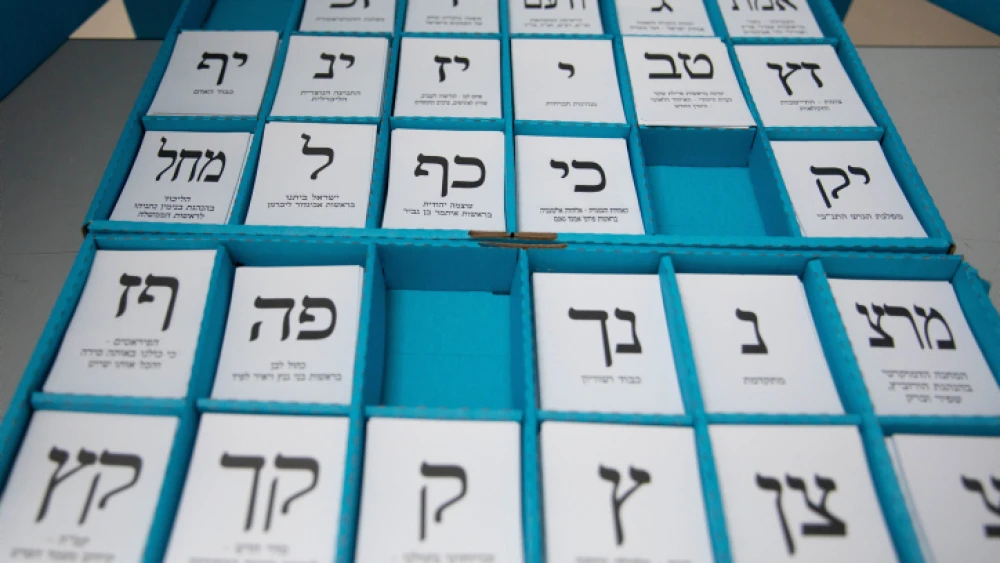
Ballots at a voting station in Jerusalem on Sept. 17, 2019. Photo by Yonatan Sindel/Flash90.

Likud, and Blue and White, have agreed that barring a last-minute breakthrough by Dec. 11, Israel will go to its third elections of 2019 on March 2, 2020.

The proposed election date must still pass three plenary readings in the Knesset, although with the support of the two major political parties, it already has the parliamentary majority necessary to push it through.

Knesset Speaker Yuli Edelstein said on Monday that all three votes would be scheduled for Wednesday, The Times of Israel reported.

“Even when it seems that there is no chance of preventing these costly and unnecessary elections, we will not begin this legislative process before Wednesday, to allow the party leaders to come to their senses in the eleventh hour, a moment before it’s too late,” he said.

If no last-minute solution is found, the Knesset is expected to dissolve on Wednesday night, after which an unprecedented third round of national elections will be called.

While Israeli elections have historically been held on Tuesdays, this year’s March calendar contains various conflicts, anniversaries and celebrations which make that day inconvenient.

Cairo has taken on the role of mediator, but local media is clearly leaning toward Tehran.
There was never a question whether bar and bat mitzvahs were going to continue, says Rabbi Marla Hornsten at Temple Israel, despite the havoc that had teachers and children evacuate the building.
“We will not rest in the mission to stop the spread of radical Islam,” Texas Gov. Greg Abbott stated.
The panel conducts research on antisemitic activity and works with public and private entities on statewide initiatives on Holocaust and genocide education.
“If it’s something that families are attuned to, then I think it may be a good way to engage the kids on that level,” Rabbi Steven Burg, of Aish, told JNS.
“I was a little surprised at the U.K. to be honest with you,” U.S. President Donald Trump told reporters at the White House. “They should have acted a lot faster.”