Newsletter
Newsletter Support JNS

Trump admin sanctions Hezbollah operatives pulling in illicit funds from Iran

“Lebanon has an opportunity to be free, prosperous and secure,” per the U.S. Treasury Department, “but that can only happen if Hezbollah is fully disarmed and cut off from Iran’s funding and control.”

Hezbollah
Fighters from the Lebanese militant group Hezbollah carry out a training exercise in Aaramta village in the Jezzine District, southern Lebanon, on May 21, 2023. Credit: Tasnim News Agency via Wikimedia Commons.

The U.S. Department of the Treasury sanctioned Hezbollah operatives, who it said exploited Lebanon’s cash economy to funnel more than $1 billion to the terror group this year, the agency announced on Thursday.

“Lebanon has an opportunity to be free, prosperous and secure, but that can only happen if Hezbollah is fully disarmed and cut off from Iran’s funding and control,” stated John Hurley, U.S. under secretary of the treasury for terrorism and financial intelligence. “We will work with our Lebanese partners to create a resilient economy that puts the interests of all Lebanese citizens front and center.”

The department said that those sanctioned on Thursday oversee the movement of funds from Iran, including selling Iranian oil and other goods and other covert business dealings, into the Lebanese financial system.

Both licensed and unlicensed money exchanges introduce the funding, which lacks adequate customer screening, allowing Hezbollah to launder money for its forces and infrastructure and for the terror group to “resist the Lebanese government’s efforts to assert sovereign control over all Lebanese territory.”

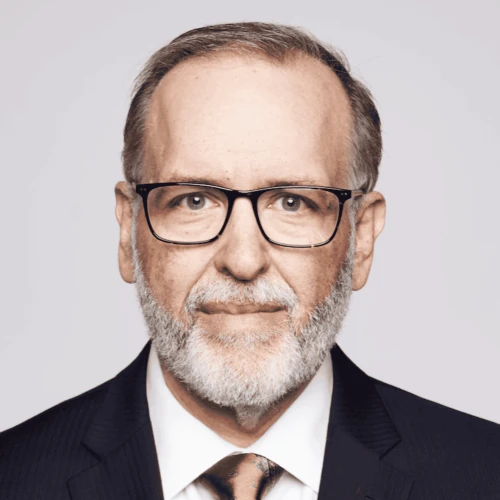
Mike Wagenheim is a Washington-based correspondent for JNS, primarily covering the U.S. State Department and Congress. He is the senior U.S. correspondent at the Israel-based i24NEWS TV network.
“A soldier is missing from the tank,” a handwritten report appears at 6:40 a.m. on June 25, 2006, more than an hour after the abduction.
Israeli forces later killed six Hezbollah terrorists in separate engagements as troops continued operations inside the Security Zone.
The Israeli airline said it would review its decision next week following an assessment of the situation.
The Israeli leader said the Jewish state turned the table on its enemies after Oct. 7, breaking through “the barrier of fear.”
The newly released State Archives trace the Israeli response from the Air France hijacking to the successful hostage rescue in Uganda.
Panelists at the JNS Summit argued that Israel must expand its domestic military capabilities while continuing strategic cooperation with the United States.
Benny Gantz, JNS editor-in-chief Jonathan S. Tobin, Gilad Erdan, Mosab Hassan Yousef, Nissim Black and leading voices in security, diplomacy, media, law and Jewish communal affairs headline the summit’s third day in Jerusalem.