


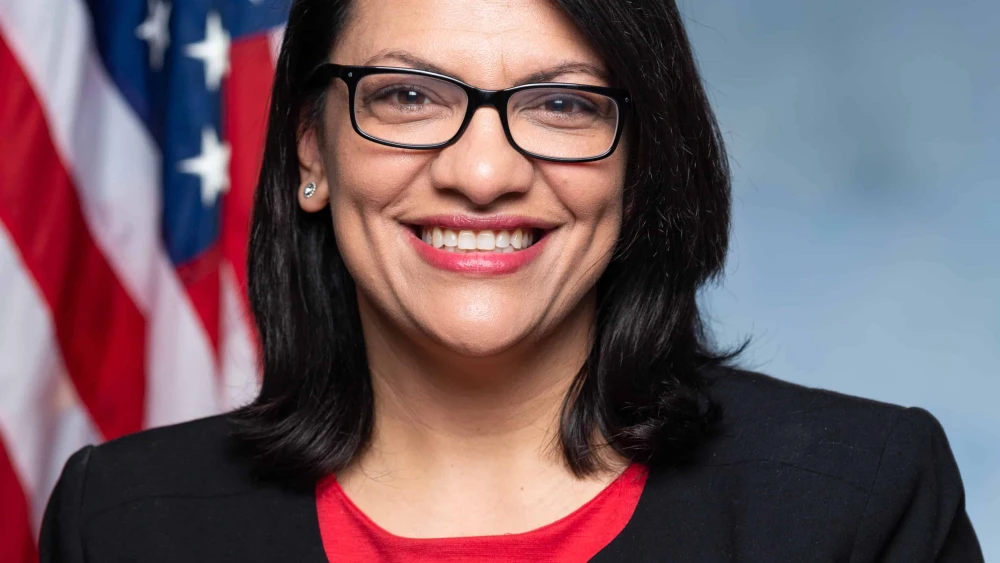
Rep. Rashida Tlaib (D-Mich.) shared a photo of herself wearing a keffiyeh around her neck on Thursday during the funeral service of former President Jimmy Carter in Washington, D.C.
“Rest in peace, President Jimmy Carter,” Tlaib wrote on X. “I wore my Palestinian keffiyeh to show my gratitude for your courageous stance in speaking out against apartheid and standing up for peace.”
Carter wrote Palestine: Peace Not Apartheid, published in 2006, which argued that Israel’s control (“colonization”) of certain territories has been the primary obstacle to a comprehensive peace agreement in the Middle East.
Mahmoud Abbas, the 89-year-old leader of the Palestinian Authority, released a statement on Dec. 30 acknowledging Carter “as the first American president to recognize the Palestinian people’s right to self-determination.”
“A man of courage, moral integrity, humanity and diplomacy, President Carter was an inspiration to generations and a beacon of hope for all who believed in the power of justice and compassion,” Abbas stated. “He spoke boldly against injustice, including addressing the realities of Israeli apartheid.”
Rest in peace, President Jimmy Carter. It was an honor to be there with your family. I wore my Palestinian keffiyeh to show my gratitude for your courageous stance in speaking out against apartheid and standing up for peace. pic.twitter.com/Vf0XLN2BtJ
— Rashida Tlaib (@RashidaTlaib) January 9, 2025


