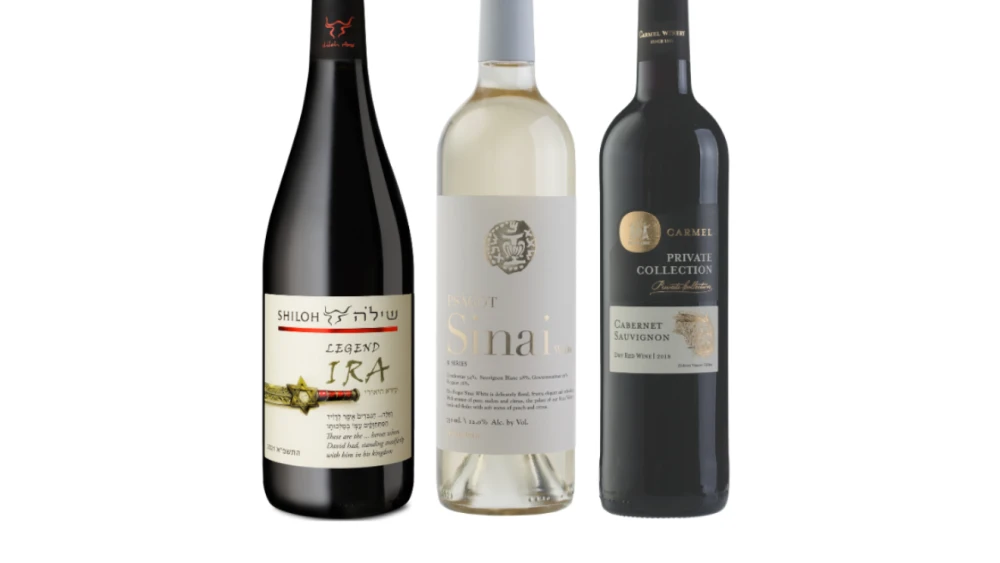
As spring arrives and families around the world gather to celebrate Passover, Easter and the season of renewal, the wines of Israel offer a connection to the land, where so many of these spiritual traditions began. Blending thousands of years of winemaking heritage with cutting-edge innovation, Israel has emerged as one of the dynamic most wine regions in the world.
From the vineyards of the Galilee to the hills surrounding Jerusalem and Judea, Israeli wines bring the history and spirit of the land directly to the table during spring celebrations. For many families observing Passover, pouring Israeli wine during the traditional four cups of wine at the seder adds a powerful layer of symbolism—linking the story of freedom and the Exodus to the very soil where biblical history unfolded.
At the same time, for those celebrating Easter, wines from Israel provide a unique connection to the landscapes central to the teachings of Christianity—regions where vineyards have flourished for thousands of years and where winemaking has long been intertwined with the culture and faith of the land.
The Israeli Wine Producers Association (IWPA) represents nearly 40 wineries across Israel, uniting boutique estates and leading producers under one banner to educate, promote and introduce consumers to Israel’s world-class wines. The association highlights Israel’s terroir, its deep agricultural history and the innovation driving the country’s modern wine renaissance.

Today’s Israeli wineries combine ancient tradition with modern viticulture, producing award-winning wines from both historic indigenous grapes and internationally recognized varietals. These wines have earned global recognition from leading critics, including media outlets like Wine Spectator, Wine Enthusiast, Decanter and James Suckling.com.
“Spring holidays are centered around themes of freedom, renewal and reflection,” says Josh Greenstein, vice president of marketing and sales at IWPA. “Israeli wines bring those themes to life because they come from the very landscapes where much of biblical history took place. Sharing these wines at the table connects families not only to ancient tradition but also to the vibrant modern wine culture of Israel.”

Israel’s wine revival has reignited global interest in both ancient indigenous grapes and classic international varietals. Among them are:
- Argaman: a bold Israeli-developed grape known for deep color and flavors of blackberry and Mediterranean spice.
- Dabouki: an ancient white grape revived by boutique wineries, offering floral aromatics and gentle acidity.
- Marawi (Hamdani): an indigenous white grape linked to biblical-era viticulture, producing crisp, mineral-driven wines.
Alongside these historic grapes, varietals such as Cabernet Sauvignon, Syrah, Grenache, Chardonnay and Sauvignon Blanc thrive across Israel’s diverse terroir—from the Upper Galilee and Golan Heights to the Judean Hills.
The IWPA unites Israel’s diverse wineries under one mission: to elevate global recognition of Israel as a premier wine-producing country. The association encourages wine lovers to explore bottles that stand proudly beside those from Italy, France, Spain and Argentina. For updates, education and winery highlights, follow @IsraeliWine and visit: www.iwpa.com.