France has proposed an incremental $15 billion package to Iran in exchange for the regime adhering to the 2015 nuclear deal, reported the semi-official Iranian Tasnim news agency.
An Iranian delegation was in Paris on Monday to finalize the details of the financial lifeline, which would assist Iran amid crushing U.S. sanctions, reported The New York Times, citing Iranian press reports and a senior U.S. official.
The French government has declined to share the details of the agreement.
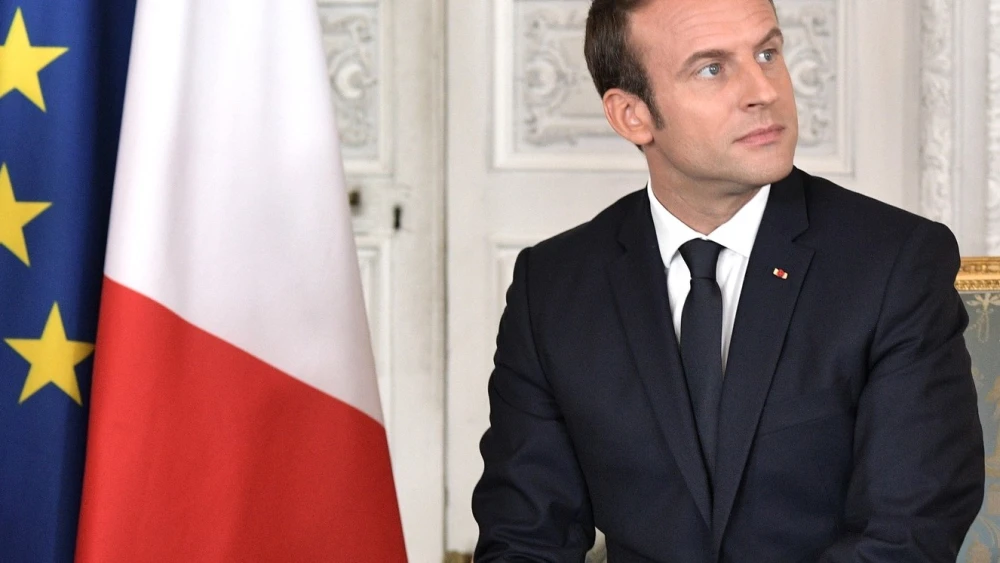
French President Emmanuel Macron called on U.S. President Donald Trump last week at the Group of Seven, or G7, meetings in Biarritz, France, to return to the negotiating table with the Iranians since withdrawing the United States from the nuclear accord in May 2018, reimposing sanctions lifted under it alongside enacting new financial penalties against the regime.
Trump, in response, said there’s a “good chance” the United States and Iran could negotiate.
However, Iranian President Hassan Rouhani replied that the regime will not meet with the United States until Washington lifts all sanctions against Tehran.
Additionally, the International Atomic Energy Agency confirmed last week that Iran’s collection of low-enriched uranium is still above the amount allowed under the 2015 deal. It also mentioned that the regime is still enriching uranium up to 4.5 percent, exceeding the 3.67 percent permitted.
While the passing of the enrichment threshold of the nuclear deal in July is symbolically significant, it remains well below the 90 percent needed for a nuclear weapon. However, most experts say that ramping up to that level can be done fairly quickly after reaching 20 percent for nuclear energy and research.