Newsletter
Newsletter Support JNS
David M. Weinberg

David M. Weinberg

David M. Weinberg is a fellow at the Jerusalem-based Misgav Institute for National Security & Zionist Strategy and the David Institute for Security Policy. His diplomatic, defense, political and Jewish world columns in the past 30 years are available at: davidmweinberg.com. The views here are his own.


The settlement “enclaves” Israel’s sovereignty plan entails are the inexorable result of the laudable principle that no Palestinian or Israeli should be forced out of their home.
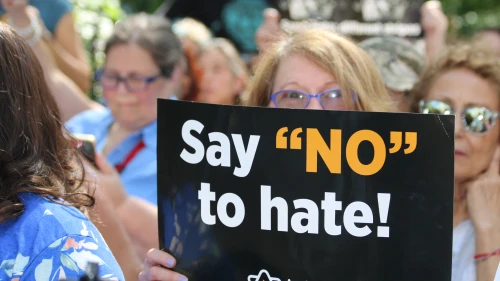
As raw anti-Semitism around the world has risen and morphed into virulent anti-Israel sentiment—making the two phenomena almost indistinguishable—the State of Israel has moved from indifference to active involvement in the struggle against such hate.
Partisanship, “progressive” politics, legal pretexts, anti-Israel sentiment and community divisions hamper the effort to combat surging Jew-hatred. The “fight” is also a distraction from even more urgent battles: keeping Jews Jewish and Israel safe.
From the leftist Israeli media, you would never know that tens of thousands of Jews celebrated Zionism in Hebron last weekend.
By changing the discourse about settlements, the Trump administration is laying the groundwork for realistic negotiation.
This has been a depressing year with anti-Semitic and anti-Israel activity on the rise. Thankfully, Stephen Harper and others are there to defend Israel and the Jewish people.
The supposedly pro-Israel organization is now less protective of Israeli security than Obama was; it wants to condition U.S. military aid on Israeli withdrawals.
The IDF must return to the fundamentals: ground maneuvers to achieve decisive outcomes.
Settlements neither explain Palestinian unwillingness to make peace with Israel nor cause traffic jams in Tel Aviv. Stop using them as a thinly veiled smokescreen for anti-Israel sentiment.
Gantz went further in a recent interview with Yedioth Ahronoth, where he praised the unilateral Gaza withdrawal and the destruction of Gush Katif towns, saying that it was “carried out with a lot of political consideration,” “done legally,” and “handled well.”
I have some advice for Benny Gantz: Tell us who you really are and what you truly believe—not what your campaign team (so wrongly!) thinks that Israelis want to hear.
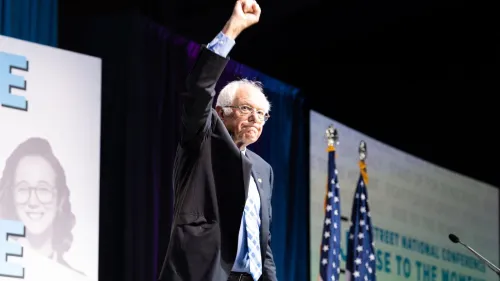
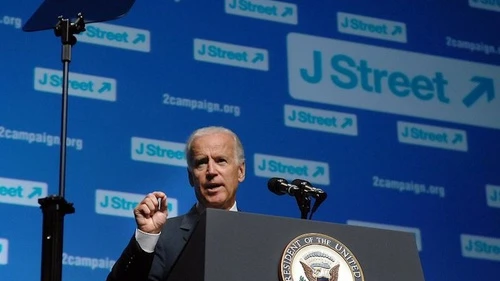
When it was founded 11 years ago, J Street claimed to be a pro-Israel and pro-peace organization. That was taken to mean partnering with the mainstream Israeli political left to build support in Washington for a two-state solution between Israel and the Palestinians. Or so we were led to believe.