Newsletter
Newsletter Support JNS
Israel Kasnett

Israel Kasnett

Israel Kasnett, editor at the Jerusalem Center for Security and Foreign Affairs, offers expert analysis on Israeli politics, society and regional developments at JNS.org. With a deep understanding of the region, he delivers insightful commentary that challenges media bias and provides a clear perspective on Israel.

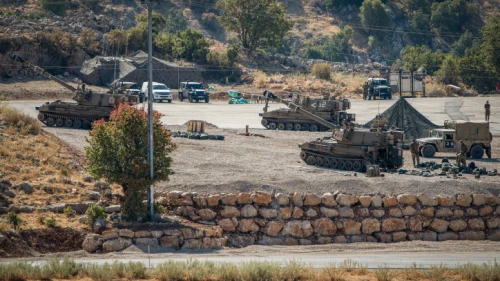
Speculation abounds as to whether Israeli Prime Minister Benjamin Netanyahu’s order to brief rival Benny Gantz on current security issues is a sign that the Jewish state is preparing for a major conflict on one or more fronts.
The question many are asking: Does Israel have the ability to tackle that right now, and if so, why hasn’t it taken this course of action?
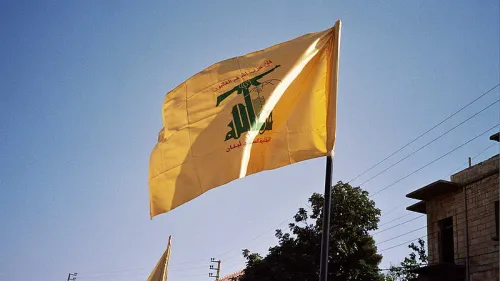
The United States is conducting increased investigations and prosecutions against alleged Hezbollah facilitators across the continent; the effort has been welcomed by those who understand the gravity of threats posed there.
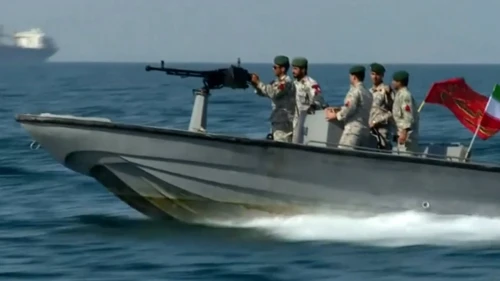
“There’s a growing awareness among Gulf states that Israel will be a good partner and ally for them to bolster regional security against the persistent Iranian threat,” says Varsha Koduvayur, a senior research analyst at the Foundation for Defense of Democracies in Washington, D.C.
Emily Landau, a senior research fellow at the Institute for National Security Studies, warns that America must stand firm and “not relent,” saying the Trump administration needs to understand how the regime can “twist things, making it seem there are concessions when there are absolutely no concessions at all.”
“The maximum pressure campaign is working,” said Mark Dubowitz, CEO of the Foundation for Defense of Democracies. “It’s always good to weaken your enemy—not strengthen them.” The question is whether Tehran will test that theory.
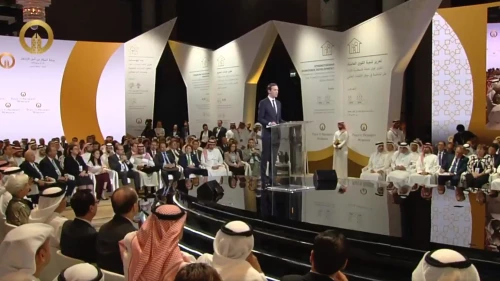
The Bahrain economic conference, which seeks to be the first step in the Trump administration’s efforts to bring peace between the Israelis and Palestinians, has been vilified by the Palestinians, who called the Trump plan “dead on arrival” and have boycotted the summit.
“This is a very detailed peace vision. You cannot have a successful peace agreement without a successful economic plan. We are worried about the days, weeks, months and years after,” stated U.S. special envoy to the Middle East Jason Greenblatt.