Newsletter
Newsletter Support JNS

Inflation in Israel’s passes 5%

The economy’s growth slowed in the third quarter but high inflation is still expected to prompt a significant central bank rate hike next week.

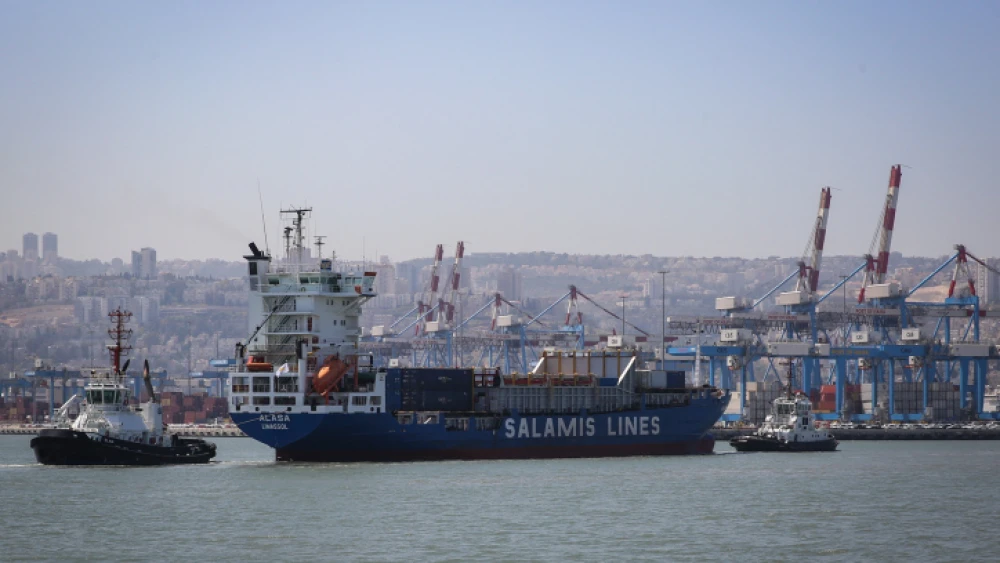
Haifa Port, April 24, 2018. Photo by Yossi Zamir/Flash90.

Inflation for the 12-month period through October 31 increased to 5.1% from 4.6% in the 12-month period ending on August 31.

According to the Central Bureau of Statistics, the Consumer Price Index in Israel increased by 0.6% in October, surpassing analysts’ expectations.

The cost of fresh fruit and vegetables rose by 4.1% in October, while the price of clothing and footwear increased by 4%, food by 1%, transportation by 0.6% and home maintenance by 0.4%.

Meanwhile, Israel’s economic growth slowed in the third quarter as consumer spending fell, but high inflation is still expected to prompt another significant Bank of Israel rate hike next week, reported Reuters.

According to central bank estimates, Israel’s economy grew more than 8% in 2021 and is expected to grow 6% in 2022 before slowing to 3% next year.

“It looks as if the Genocide Caucus in Congress will continue to grow,” Dan Schnur, a political science lecturer, told JNS.
Ahead of the JNS Summit, the Bosnian Serb leader explains her strong support for the Jewish state and warns of Iranian influence in the Balkans.
A coalition of Jewish groups called the law “an important step forward, giving law enforcement and prosecutors additional tools to protect targeted communities and hold offenders accountable.”
The participation of campus-affiliated groups like CUNY for Palestine “openly encouraging and providing support for terrorism and extremist ideologies,” Jayne Zirkle of EndJewHatred told JNS, “represents a serious challenge that universities can no longer ignore.”
After 35 years working across the continent, entrepreneur Haim Taib tells JNS he sees it as the next frontier for Abraham Accords cooperation.
The Islamic Republic is seeking to recover economically and militarily through the memorandum of understanding with the U.S., while avoiding any relinquishment of long-term strategic assets.