Newsletter
Newsletter Support JNS

Al-Aqsa mosque prayer banned during Ramadan due to coronavirus fears

The Jordan-appointed council that oversees Jerusalem’s Islamic sites calls the decision “painful,” though says it is “in line with legal fatwas [Islamic religious rulings] and medical advice.”

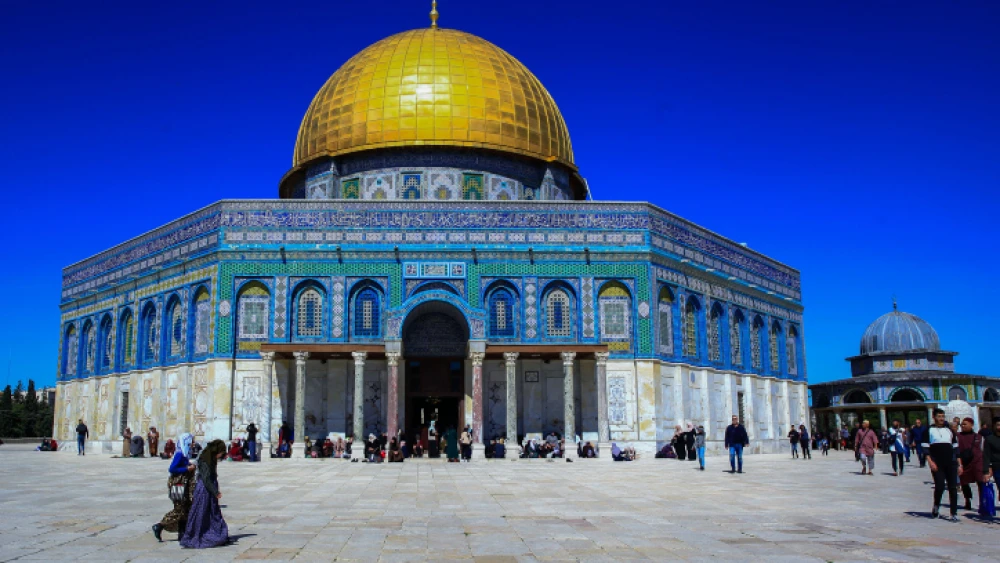
Muslims visit the Al-Aqsa mosque compound in Jerusalem's Old City, on Feb. 28, 2020. Photo by Sliman Khader/Flash90.
Muslims visit the Al-Aqsa mosque compound in Jerusalem’s Old City, on Feb. 28, 2020. Photo by Sliman Khader/Flash90.

Prayer at the Al-Aqsa mosque in Jerusalem’s Old City will be banned during the Muslim holiday of Ramadan in order to help stop the spread of the coronavirus, Muslim clerics said on Thursday.

The Jordan-appointed Waqf council that oversees Jerusalem’s Islamic sites called the decision “painful,” though said it was “in line with legal fatwas [Islamic religious rulings] and medical advice,” according to Reuters. The decision extends an already existing suspension of prayer at the site that has been in effect since March 23.

Muslims should “perform prayers in their homes during the month of Ramadan, to preserve their safety,” said the council.

Many thousands of Muslims typically visit the mosque each day during the month of Ramadan.

The Western Wall in Jerusalem’s Old City hosted the traditional Passover priestly blessing service during Passover earlier this month, but unlike in previous years when the plaza was packed with worshippers, the service was kept to an absolute minimum this year due to the coronavirus (COVID-19) outbreak.

A month after his father was killed in a Queens park, Tzvi Yonie Itzkowitz told JNS that his family believes that the still-unsolved killing was motivated by Jew-hatred.
“The gravity of the situation and its widespread impact on our school community make this not the right time for a celebration,” the school stated in an email to parents.
The department said New York may be unlawfully discriminating against religious organizations by requiring long-term care facilities to accommodate residents based on gender identity without providing comparable faith-based exemptions.
“We are demonstrating that we can transform moments of division into opportunities for connection, resilience and positive action,” organizer IMPACT CEO Aaron Herman said.
Sruly Meyer said he didn’t know what to expect, but figured that he could take the heat.
“This is our real national team,” Belgian lawmaker and former Iranian political prisoner Darya Safai told JNS, pointing to shirts honoring Iranians killed during anti-government protests.