


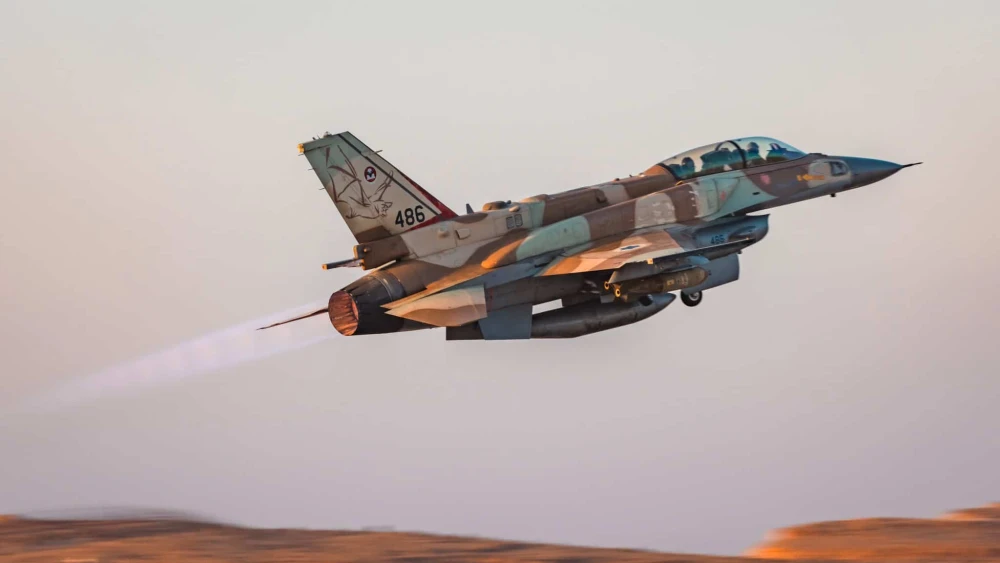
The Israel Defense Forces on Saturday targeted and killed a Hezbollah commander in the area of Mazraat Jemjim, north of Tyre city in southwestern Lebanon.
According to the IDF, the terrorist was involved in efforts to rebuild Hezbollah infrastructure in the region.
“The rebuilding of terrorist infrastructure and related activity constitutes a blatant violation of the understandings between Israel and Lebanon,” the military said in a statement.
מוקדם יותר היום, צה"ל תקף באמצעות כלי טיס וחיסל במרחב בלטת אל-גמגים שבלבנון, מפקד בגזרת שקיף בארגון הטרור חיזבאללה, אשר עסק בנסיונות שיקום של תשתיות טרור של הארגון במרחב.
— צבא ההגנה לישראל (@idfonline) May 17, 2025
שיקום תשתיות טרור והפעילות בהן מהווים הפרה של ההבנות בין ישראל ללבנון pic.twitter.com/2xb7xksyFJ
On Thursday, the Israeli Air Force conducted a strike in the Arnoun area of Southern Lebanon’s Nabatieh Governorate, targeting and killing another Hezbollah operative involved in efforts to rebuild the organization’s assets.
That operation followed a series of targeted strikes by the IDF aimed at disrupting Hezbollah’s activities along Israel’s northern border. Notably, on Wednesday, the IDF confirmed the elimination of Hussein Naama, a regional Hezbollah commander responsible for the Qabrikha area, in an airstrike on Qaaqaaiyet el-Jisr, also in the Nabatieh Governorate.
