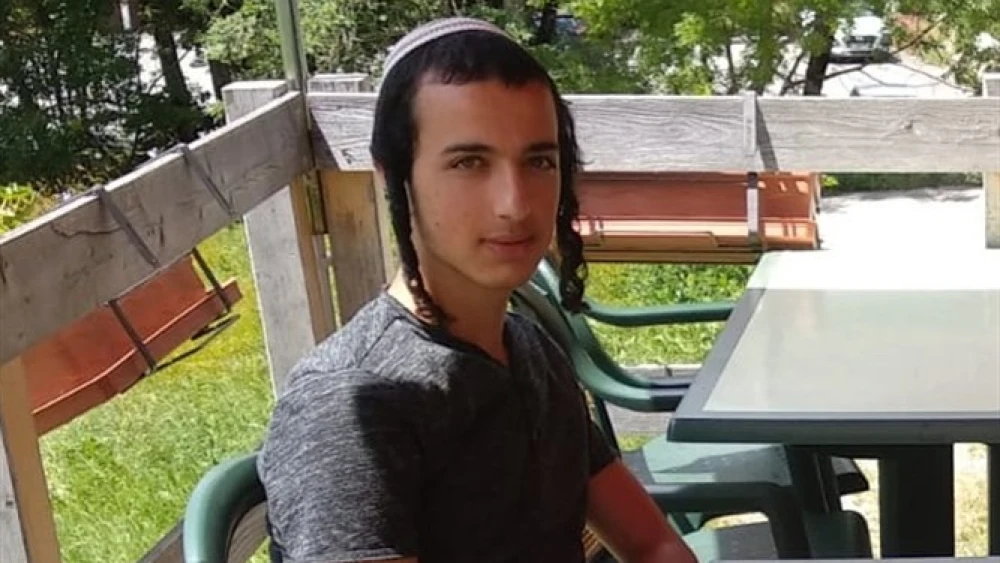
The dwellings of two Palestinians accused of murdering yeshivah student and Israeli army recruit Dvir Sorek will be destroyed by the Israel Defense Forces, after an appeal by the suspects’ families was denied on Tuesday.
Nasir and Qassem Asafra are accused of ambushing and stabbing to death the nearly 19-year-old Sorek, who disembarked a bus outside Kibbutz Migdal Oz in Judea and Samaria to return to his religious seminary and whose body was found in the early hours of Aug. 8.
The accused terrorists’ families were notified of demolition plans by the IDF earlier this month and given the chance to appeal the decision. On Tuesday, their appeals were rejected and the demolition orders signed.
Sorek was reported missing on Aug. 7 after he failed to arrive from Jerusalem to a Torah study session with his study partner in his Migdal Oz joint Torah study and army service hesder program.
After Sorek’s body was found, security forces conducted a two-day manhunt, arresting the Asafras in Beit Khalil near Hebron.
Nazir’s brother, Akrama, and Qassem’s wife, Ines, were also arrested in the raid.
Home demolition has been approved as a punishment and deterrent for terrorists in Israel, with proponents arguing that it prevents terrorist attacks, and opponents claiming that it does nothing and is an infringement on the rights of the terrorists’ families.
It is not yet clear when the demolition orders will be carried out.