Newsletter
Newsletter Support JNS

In Moscow meeting with Putin, Netanyahu vows actions against Iran in Syria

The two leaders reportedly also put behind a diplomatic row that was created following the accidental downing of a Russian plane by Syrian forces following an Israeli airstrike in October.

Then-Israeli Prime Minister Benjamin Netanyahu and Russian President Vladimir Putin in Moscow on July 11, 2018. Credit: Kobi Gideon/GPO.

Israeli Prime Minister Benjamin Netanyahu and Russian President Vladimir Putin appeared to have settled some ongoing disputes on Wednesday as part of Netanyahu’s diplomatic trip to Russia.

Following discussions on regional security, he said that Putin, too, wants to expel Iran’s presence in Syria, as the Russian leader did not put restraints on Israel’s actions in the area, reported Haaretz, citing a diplomatic source.

The two men reportedly also put behind a diplomatic row that was created following the accidental downing of a Russian plane by Syrian forces following an Israeli airstrike in October, according to Ynet, citing a senior Israeli official.

“We presented examples of Iran’s entrenchment attempts and the steps we are taking to counter them,” said Netanyahu. “I think President Putin showed understanding of Israel’s security needs and concluded our talks were very productive. The [Israeli-Russian] relations, which everyone said are experiencing difficulties, are back on the track of cooperation.”

He added, “We have made our position very clear. I told Putin that Israel will continue protecting itself from any Iranian aggression coming from Syrian soil.”

“The Jews have moved their entire lives, and they finally have a homeland,” Pastor Aaron Taylor told JNS. “Let them be. There’s one Jewish country.”
Israeli Prime Minister Benjamin Netanyahu visited those wounded in the explosion in northern Israel, which a preliminary IDF probe indicated was caused by an unexploded Hezbollah cluster munition.
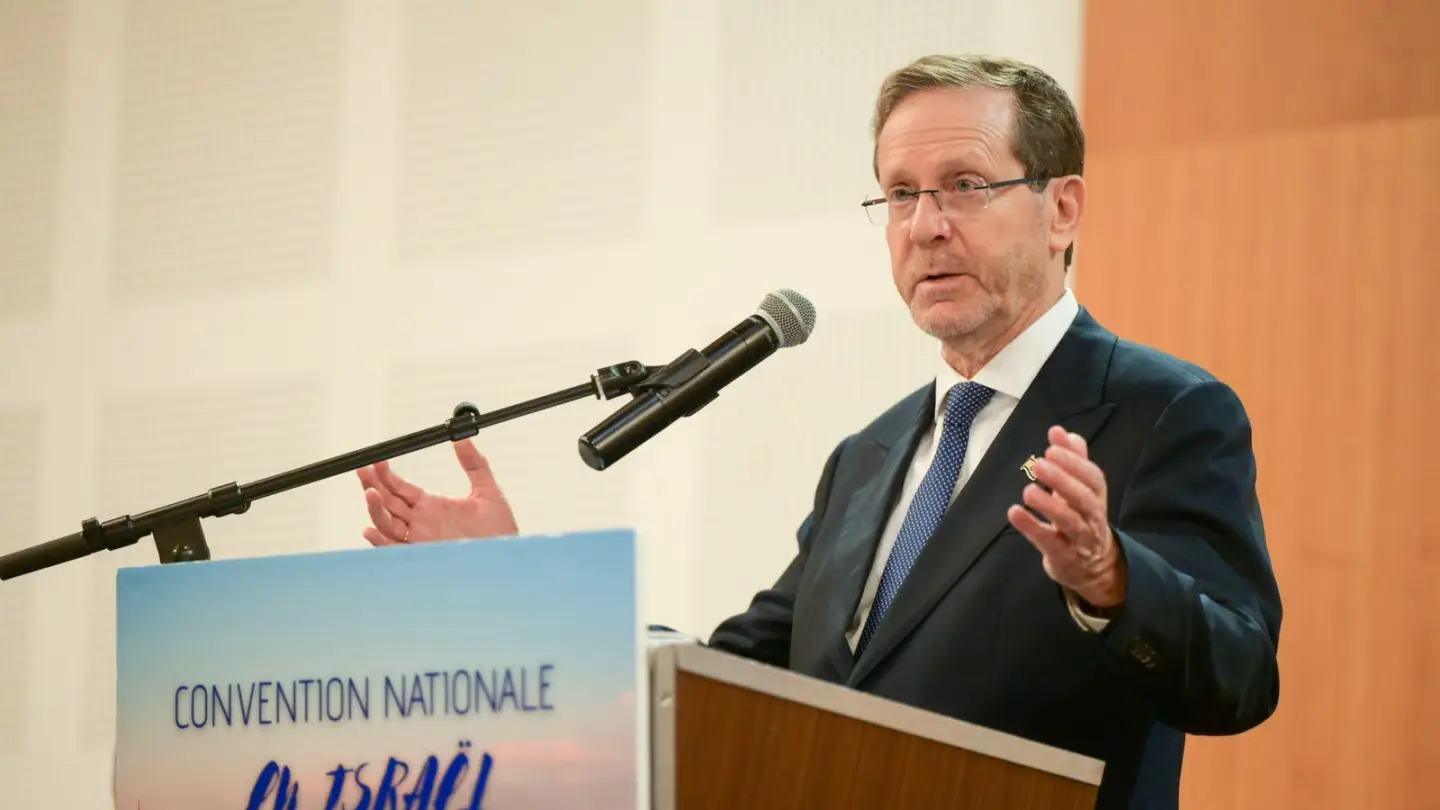
“What we are seeing in Europe today is pure scapegoating. What we are seeing in Europe today is that blaming the Jews has become, once again, the default mode,” said the Israeli president.
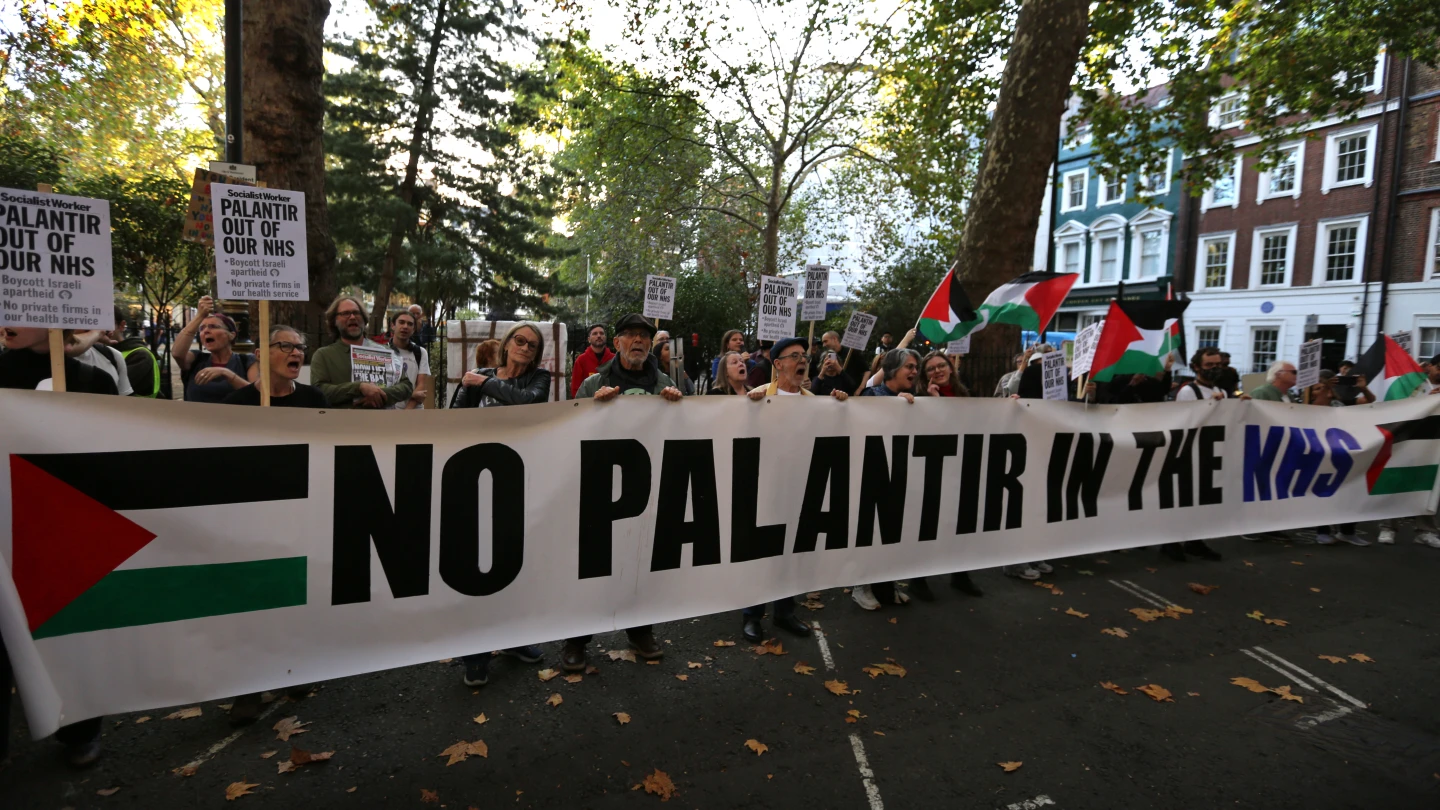
The Campaign Against Antisemitism identified five anti-Israel healthcare professionals, while a separate report details a BBC Arabic reporter’s posts about killers of Israelis.