Iran
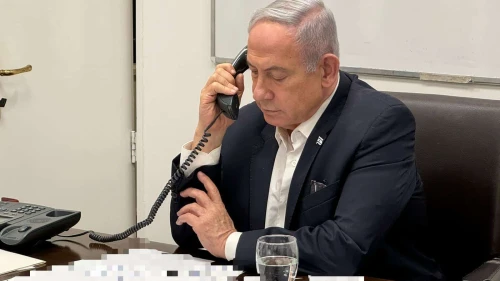
Tehran is now in a worse geopolitical position than prior to the strike.
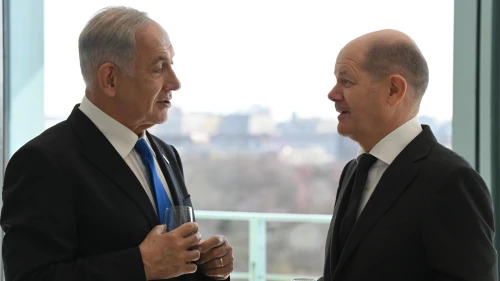
An interview with Germany’s Ambassador to Israel Steffen Seibert.
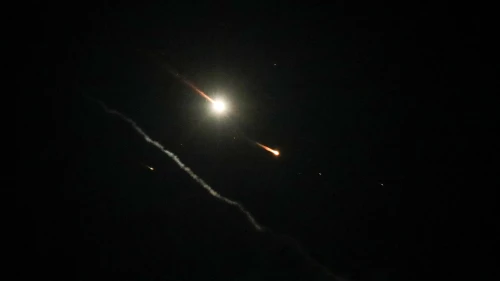
Israel reportedly conveyed the message to Egypt, Jordan and allied Gulf states, amid fears that Tehran could hold them accountable.

“We’re committed to a ceasefire that will bring the hostages home, and preventing conflict from spreading beyond what it already has,” said the U.S. president.
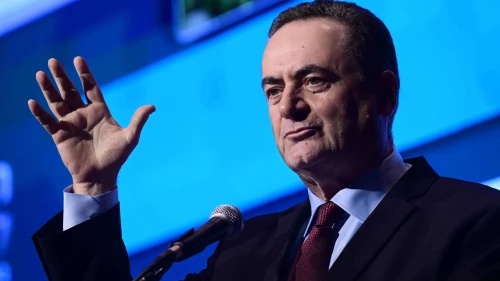
“Iran must be stopped now, before it is too late,” said Israel Katz.

IAEA chief Rafael Grossi noted that Israel could still target Iranian nuclear facilities, saying, “We are always concerned about this possibility.”

Lloyd Austin also reiterated “steadfast” U.S. support for Israel’s defense.

“Prime Minister Netanyahu thanked Majority Leader Scalise for his warm support, and made it clear that Israel would do everything necessary to defend itself,” the Prime Minister’s Office stated.

A presidential adviser denied reports that Washington had forewarning of the attack and said the administration continues to oppose a standalone aid package for Israel.

“We are looking ahead. We are considering our steps,” said IDF Chief of Staff Lt. Gen. Herzl Halevi.

Germany, France, the Netherlands, Belgium and the Czech Republic summoned their respective Iranian ambassadors.

Iran’s “launch of so many missiles, cruise missiles and UAVs” will be met with a response, said IDF Chief of Staff Lt. Gen. Herzi Halevi.