


Israel is taking steps toward possible normalization with Lebanon, as diplomatic representatives will replace military officials in upcoming negotiation talks.
A diplomatic source confirmed to Israel Hayom on Wednesday that these discussions aim to transition to a political-diplomatic track. Our sources have learned that the next meeting will feature an Israeli diplomatic representative instead of an IDF official, marking an immediate elevation in the talks’ significance.
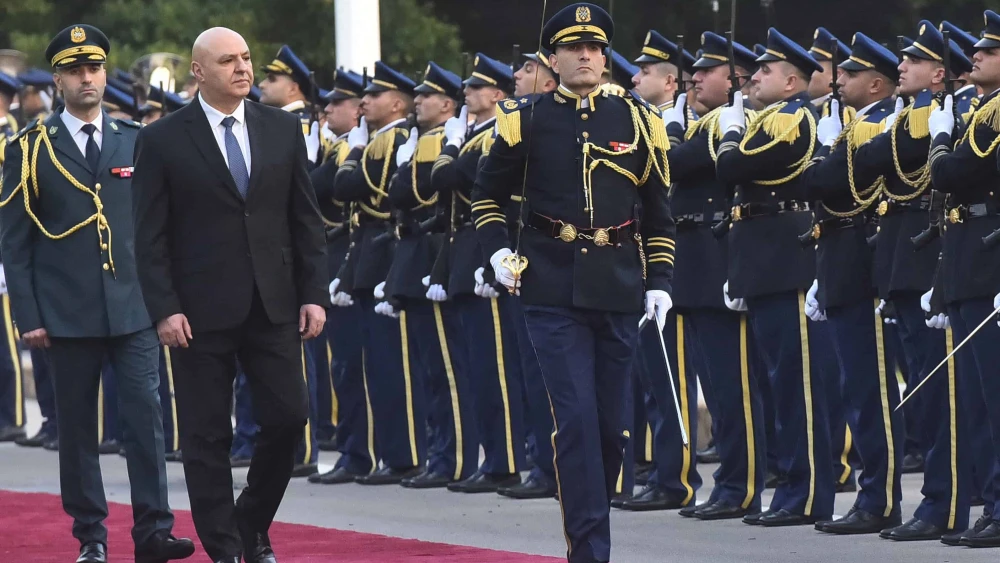
The strategic shift reflects Israel’s desire to bolster the Lebanese president’s position against armed groups in coordination with the U.S., perhaps paving the way for future normalization of relations between the countries. Israeli officials point to significant changes in Lebanon’s internal political landscape, noting that Hezbollah‘s political influence has weakened considerably.
But on Wednesday, Lebanon responded to statements made by an Israeli political source who expressed interest in advancing normalization between the countries. Officials in Beirut categorically denied that the indirect dialogue with Jerusalem would lead to normalization.
Sources in the Lebanese presidential office told Al-Mayadeen channel that assertions about dialogue committees between Israel and Lebanon serving as a prelude to normalization are unfounded. According to these sources, the three committees established to resolve existing issues with Israel represent a continuation of implementing U.N. Security Council Resolution 1701. The sources emphasized that these committees will not involve direct negotiations between Lebanon and Israel.
“The committees will address longstanding issues—specifically border disputes and points that have remained contentious since 2006,” the officials said.
While seeking to strengthen moderate elements within Lebanon, Israel remains aware of Hezbollah’s continued presence in the region. As a security precaution, despite ongoing negotiations, Israel maintains five strategic positions inside Lebanese territory. The discussions surrounding key positions do not automatically mean Israel will relinquish these areas—Israeli negotiators are expected to present their own security demands to protect border communities.
Originally published by Israel Hayom.


