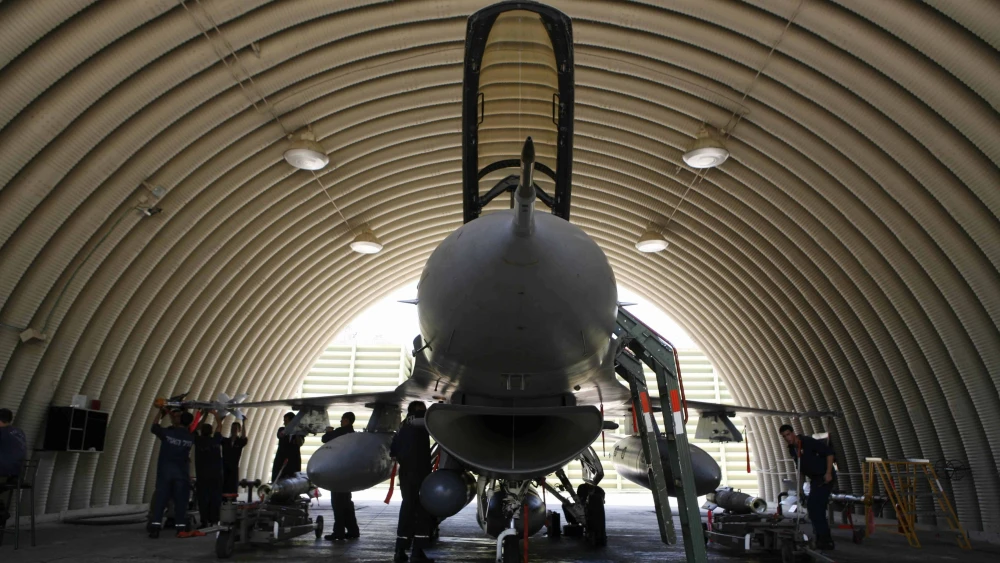
The Lebanese government has filed a complaint with the U.N. Security Council after Israeli Air Force fighter jets repeatedly broke the sound barrier over Beirut, the country’s LBC TV channel reported on Monday.
The protest, which was filed by Beirut’s mission in New York at the instruction of Lebanese Foreign Minister Abdallah Bou Habib, accuses Israel of “blatant violations of the country’s sovereignty and airspace.”
The IAF flyovers “terrorize civilians and spread fear,” Beirut states, claiming that the Jewish state’s actions violate U.N. Security Council Resolution 1701, which ended the Second Lebanon War in August 2006.
Lebanon’s complaint further asserts that Jerusalem’s military activities “violate international humanitarian law by engaging in practices that amount to collective punishment and psychological intimidation.”
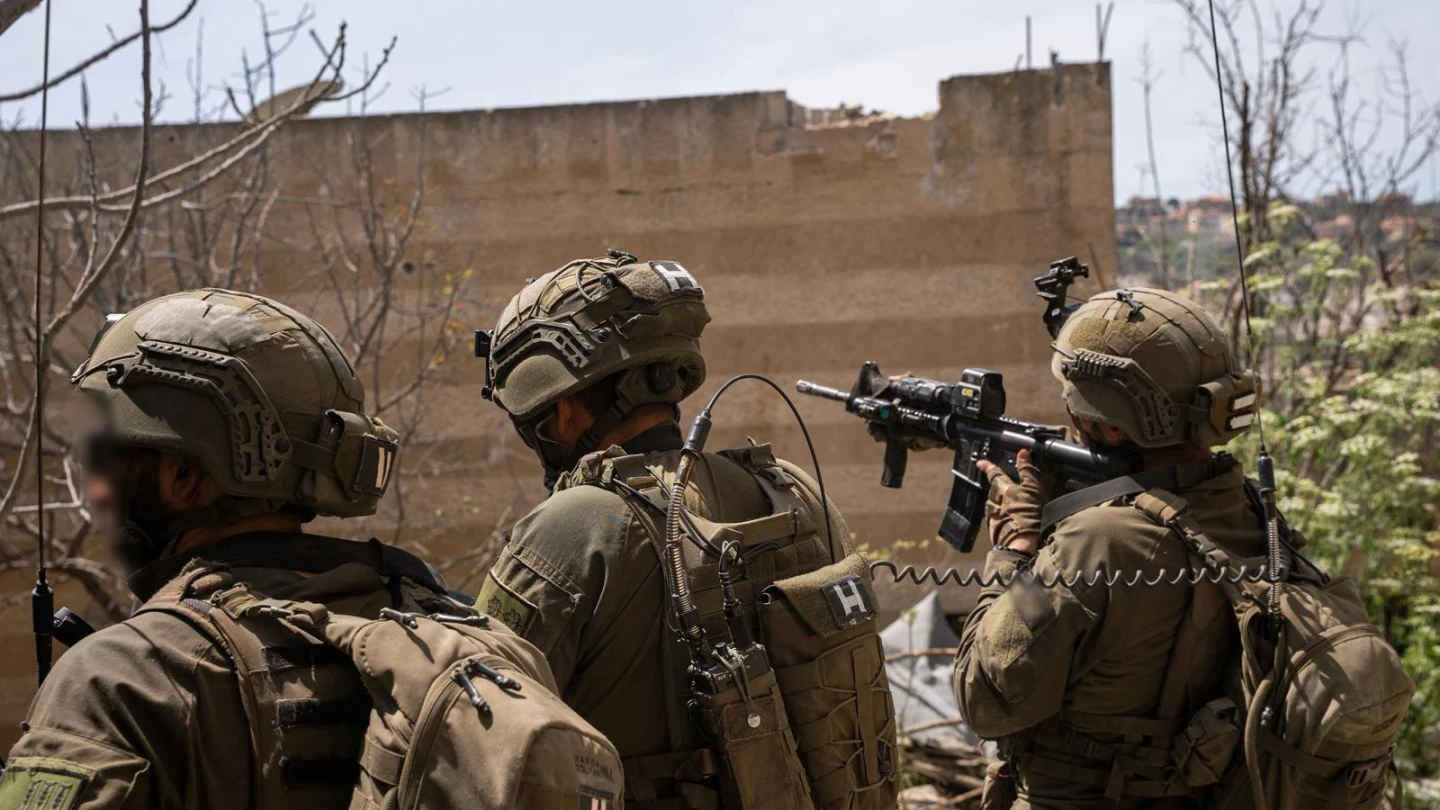
Iranian-backed Hezbollah terrorists have attacked Israel’s north almost every day from Southern Lebanon since joining the war in support of Hamas on Oct. 8, firing thousands of drones, rockets and missiles—primarily towards northern Israel—that have killed more than 40 people and caused widespread destruction to homes, commercial buildings, farmland and the environment.
In response, Israeli jets have carried out thousands of raids on terror infrastructure in Southern Lebanon and other Hezbollah strongholds.
U.N. Security Council Resolution 1701 called on the government in Beirut to disarm the Iranian proxy. The 2006 resolution also states that Hezbollah is forbidden to operate anywhere near the border with Israel.