Yemen’s Houthi terrorist forces have suffered a significant reduction in their missile-launch capabilities due to a series of coordinated airstrikes by Israeli and American forces, Hebrew media reported on Monday.
Israeli military officials believe that the Iranian-backed rebels now possess only a limited number of operational ballistic missile launchers, representing a sharp decline in their stockpile, according to Israel’s Channel 12 News.
The group, which has fired missiles toward Israel on a near-daily basis since the end of the Gaza ceasefire on March 18, has fired 11 ballistic missiles to date—three of which did not activate warning systems in the Jewish state.
Despite continued attempts to strike Israeli territory, the Houthis’ missile operations face major limitations. Launch areas within Yemen are restricted, interception systems often neutralize incoming threats, and a portion of the missiles fall short, hitting in neighboring countries such as Saudi Arabia and Jordan. Furthermore, their capacity to manufacture missiles remains low, with only a few reportedly produced each month.
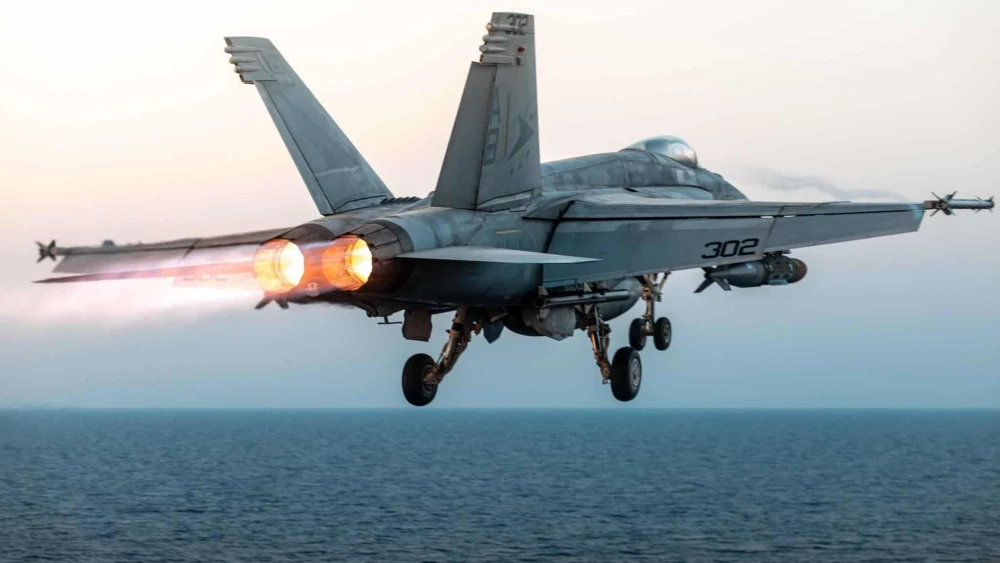
According to Channel 12, a large number of the Houthis’ missile launch platforms were destroyed during recent joint Israeli-American military actions.
The ballistic missiles used by the group are substantial in size, typically weighing several hundred kilograms (roughly 660 to 1,100 pounds) and ranging from 16 to 33 feet in length, making them difficult to conceal or rapidly deploy.