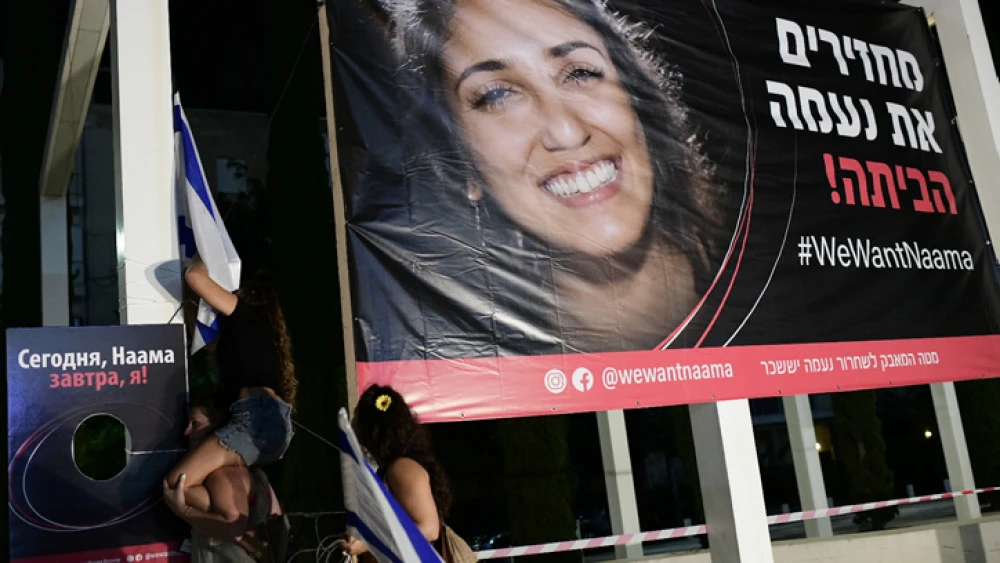
Naama Issachar, an Israeli-American woman who has been imprisoned in Russia on drug charges since April, was released from prison on Thursday, the Russian prison service said in a statement.
“Due to the presidential decree on pardoning, Naama Issachar has been freed from prison,” said the statement. Russian President Vladimir Putin pardoned Issachar on Wednesday.
Issachar, 27, was arrested in April after police found 9.5 grams of cannabis in her luggage during a layover in a Moscow airport, en route from India to Israel. Sentenced to seven-and-a-half years in jail, Issachar petitioned for a presidential pardon after Putin met her mother during a visit to Jerusalem last week.
“Guided by the principle of humanity, I hereby order that Naama Issachar be pardoned,” read Putin’s decree, which the Kremlin said took immediate effect.
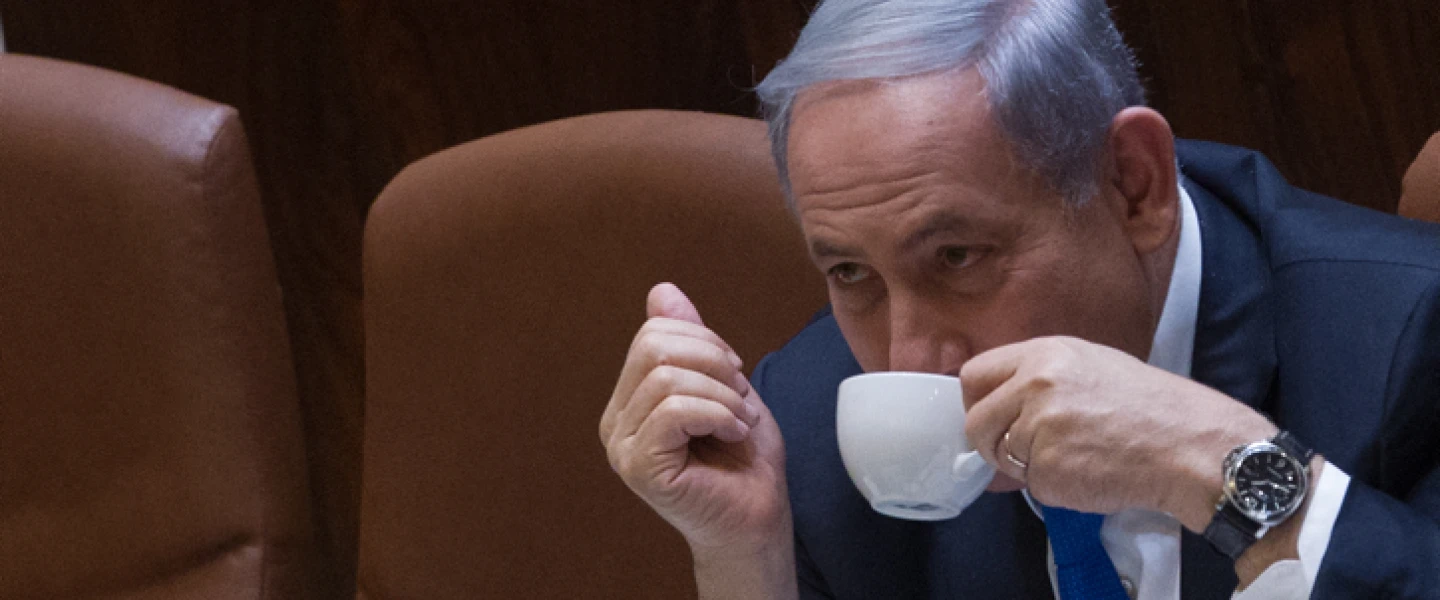
Russian media reported that Issachar is slated to fly back to Israel with Prime Minister Benjamin Netanyahu, who will be visiting Moscow on Thursday and is scheduled to meet with Putin.
A senior member of the team that headed the efforts to see Issachar released stressed that Israel has given Russia nothing in return for the move. Her release was a goodwill gesture to the United States and Israel, he said.
Earlier in January, Israel released two prisoners with links to Syria in what was seen as a goodwill gesture towards Moscow, a key Damascus ally, in the hope of setting the stage for Issachar’s release.
Netanyahu took to Twitter to thank “my friend, Putin” for Issachar’s pardon. This is an edited version of an article that first appeared in Israel Hayom.