Support for the final draft of the Israel-Lebanon maritime border agreement was not uniform among Israel’s defense establishment, with critics arguing it will not provide long-term security, according to Israeli media reports.
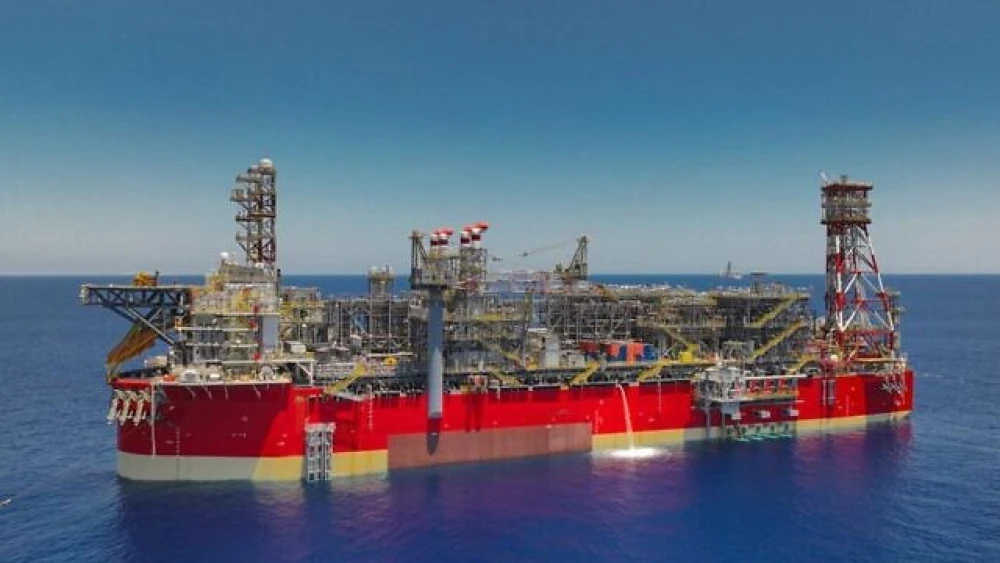
Opponents of the agreement contended that the proposed maritime boundary, stretching 5 kilometers (3 miles) off the Israeli coastline toward the disputed economic waters, would improve Hezbollah’s strategic position and expose Israel’s Karish natural gas field to significant security threats, Globes reported last week.
The defense officials also reportedly rejected as baseless the argument that a future Lebanese offshore platform would reduce Beirut’s dependence on Iran or weaken Hebollah, given their tight control over Lebanon and anticipated involvement in the development of energy sources in the country’s exclusive economic zone.
In this respect, Israeli opposition to the prospective deal reportedly increased after Hezbollah chief Hassan Nasrallah threatened to attack Karish, with numerous senior members of the Military Intelligence’s Research Division and Mossad researchers claiming that any quiet achieved would be temporary.
Meanwhile, a poll conducted by Channel 12 and published on Friday found that 47 percent of the Israeli public supports the deal, whereas 36 percent oppose it. Seventeen percent said they were unsure.