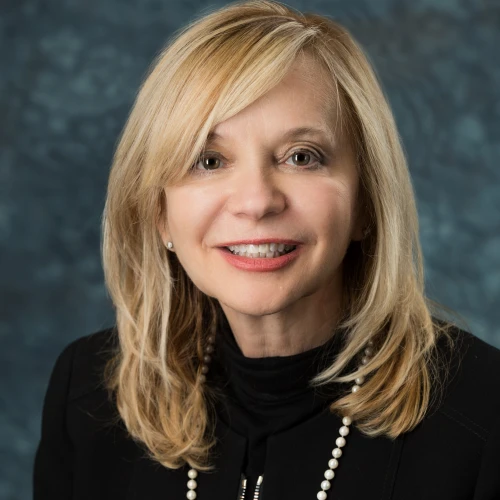
Jamal Khashoggi

Saad Almadi was arrested in Riyadh in 2021 over social media posts made from his home in Boca Raton that were critical of the Saudi government.

Mira Resnick speaks with JNS about a Mideast air-defense alliance, balancing rights with reality and U.S. commitment to Israel’s security.

The apparent Iranian attack on an Israeli-owned civilian cargo ship is a wider threat against shipping and comes as part of retaliation for the assassination of Iran’s top nuclear scientist. Meanwhile, Iranian proxy warfare against the United States has returned to the region.

Al-Ghabin, who has written for Israeli newspapers and uses social media to praise Israeli Prime Minister Benjamin Netanyahu, supports “direct and unconditional” ties with Israel, calling it “a strategic choice.”

The measures now go to the House, which is expected to follow suit. U.S. President Donald Trump is expected to veto them.

“The U.S. interest in this first mission is to counter Iran’s regional ambitions, and to help our allies and partners protect themselves,” said U.S. Secretary of State Mike Pompeo.

The only threat to stability remains from outside actors—particularly, arch-rival Iran, and from some Western governments and businesses that have cooled on the kingdom of late. But this will surely blow over because of the Saudis’ vast economic clout.

“What happened in the Istanbul consulate was horrendous,” said Israeli Prime Minister Benjamin Netanyahu. “Yet at the same time, it is very important for the stability of the world, of the region and of the world, that Saudi Arabia remain stable.”

The cover-up and now acknowledgment of the Saudi government’s role in the grizzly slaying of journalist Jamal Khashoggi has highlighted a significant power struggle between two regional foes—Saudi Arabia and Turkey—and threatening to cause further regional instability.

The two “stressed the importance of the Saudi-U.S. strategic partnership and the future role of this partnership in accordance with the Kingdom’s Vision 2030,” according to the Saudi Press Agency.

With an alleged human-rights violation in the public spotlight, the kingdom’s allies may now try to distance themselves from its leadership.