This year’s Lag B’Omer celebrations in Israel will see significant changes due to the ongoing conflict with Hezbollah in the north of the country, and recent emergency measures taken by Israeli authorities.
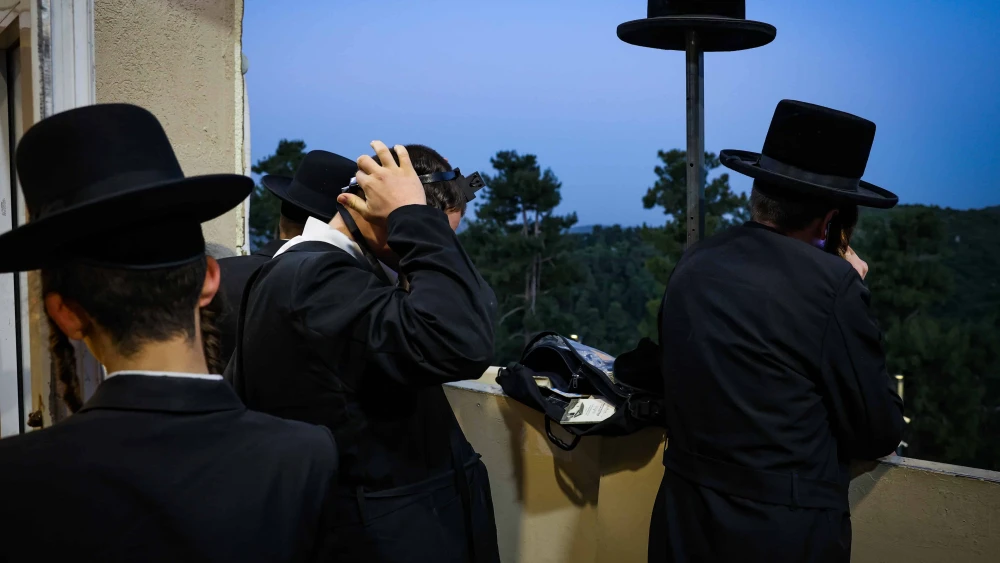
The traditional pilgrimage to the gravesite of second-century Rabbi Shimon Bar Yochai on Mount Meron has been heavily restricted to ensure public safety, leaving many celebrants to seek alternative locations for the festivities.
On Tuesday, the Knesset passed an emergency law to close the Mount Meron pilgrimage site to all but a handful of approved attendees during the Lag B’Omer holiday, which normally draws tens of thousands of pilgrims, mostly from the ultra-Orthodox communities.
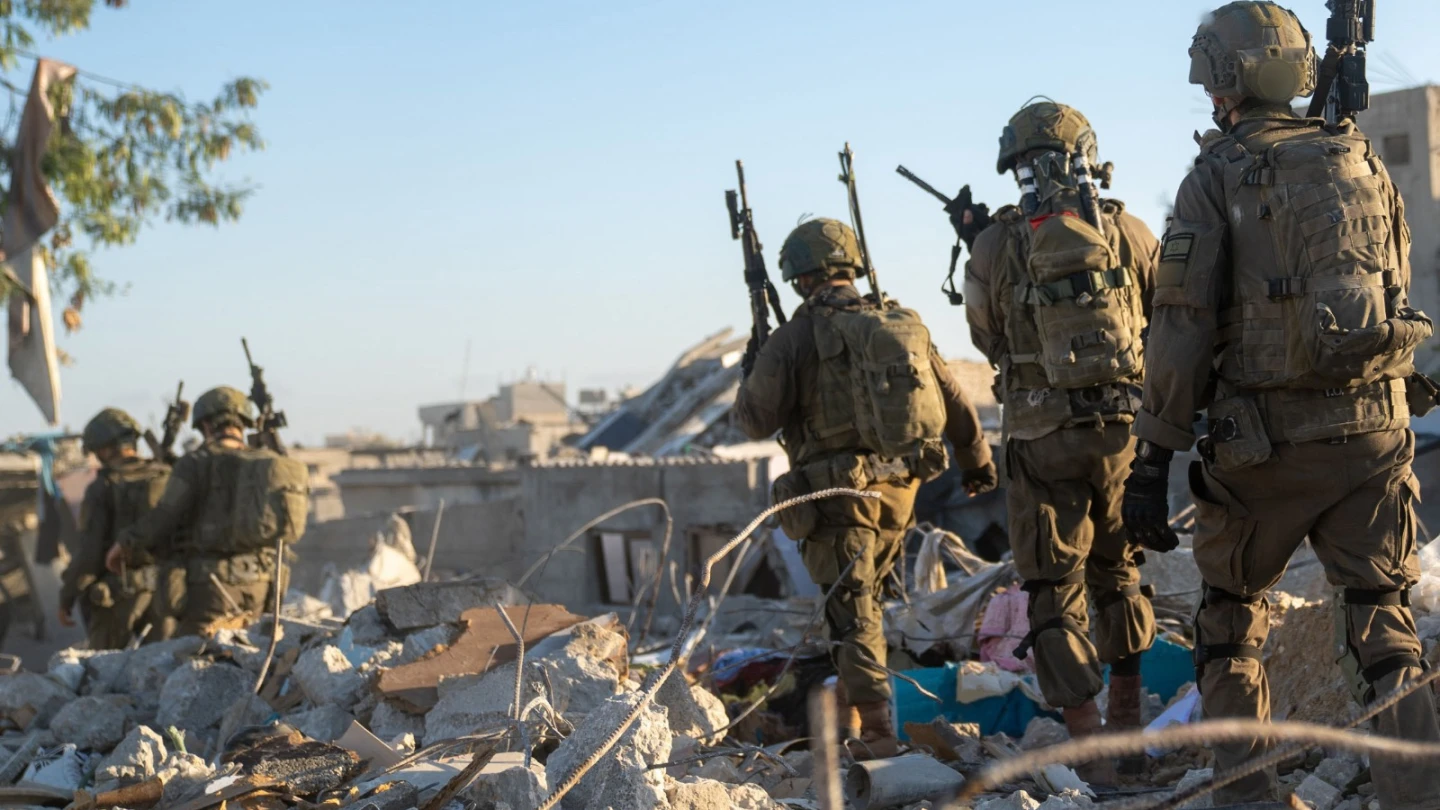
The Israel Defense Forces Homefront Command declared the site a closed military zone, prohibiting public access until Monday, May 27, due to its proximity to the Lebanese border and the threat of rocket attacks by Hezbollah.
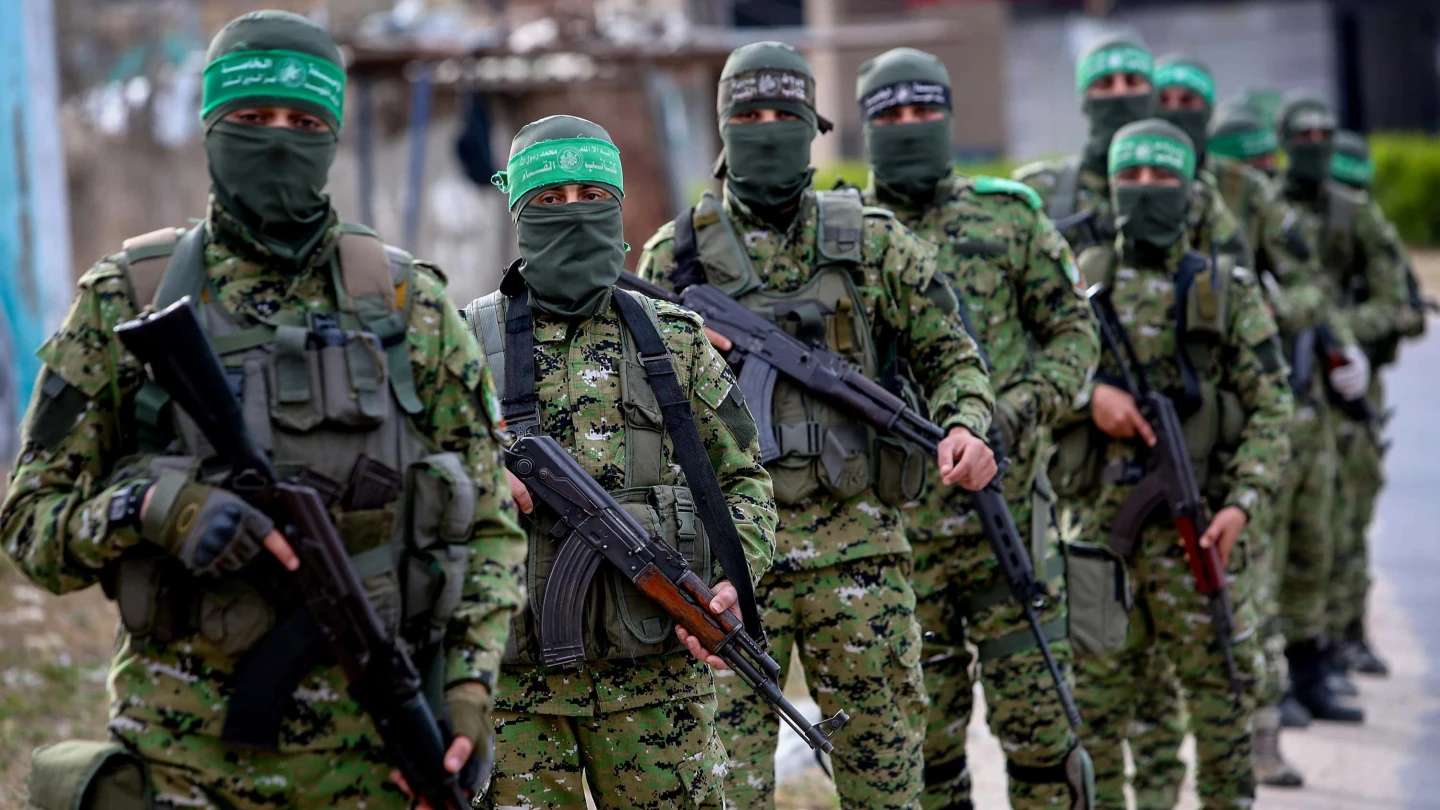
The terrorist organization with a cache of weapons based in Southern Lebanon has been launching daily attacks on Israel since Oct. 8, following the Hamas terrorist rampage on communities in southern Israel on Oct. 7.
On Thursday, the Lebanese Shi’ite terrorist organization fired 60 rockets at northern Israel, causing minor damage but no injuries.
Given the high risk, Jewish Heritage Minister Meir Porush emphasized the necessity of the restrictions, stating, “Unlimited access would mean tens of thousands of people arriving and a terrible catastrophe could happen if the place is targeted with rockets. We must not take such risks with human lives.”
Three years ago, on April 30, 2021, 45 people were killed and another 150 more were injured in a disastrous crush at the Bar Yochai festivities on Mount Meron.
The current ruling allows only 30 people at the Meron site at any given time and limits traditional bonfires to three, each with a maximum of 10 approved guests. One bonfire will be at the Bar Yochai tomb and the other two at the nearby Bnei Akiva yeshiva.
Tiberias Mayor Yossi Naba’a also ordered the closure of the tomb of first-century sage Rabbi Akiva, located in the city near the Sea of Galilee. The closure is already in effect and will continue to be in effect until Monday. Naba’a feared that in lieu of Meron, pilgrims would overwhelm the Tiberias gravesite.
The security concerns and crowd control measures reflect the broader impact of the ongoing conflict with Hezbollah. Since joining the war against Israel in support of Hamas, Hezbollah’s attacks have caused more than 20 Israeli deaths, extensive damage and the displacement of more than 80,000 residents from northern communities.
Alternative celebrations at ancient Shiloh
In response to the closure of Meron, thousands are expected to visit ancient Shiloh in Samaria, the site of the biblical Tabernacle.
The Binyamin Regional Council and the Department of Religious Culture have organized a festive event for families and children. The celebration will include street performers, klezmer musicians and a “Meron” musical atmosphere.
Festive haircutting ceremonies, known as chalakah, traditionally performed on Meron during the holiday, will be held for hundreds of 3-year-old boys, who will receive gift packages. At 5 p.m., a central lighting ceremony in honor of Bar Yochai will focus on prayers for the victory of the people of Israel, the return of 128 captives being held by Hamas in Gaza and the healing of the wounded.
Israel Ganz, head of the Binyamin Council, highlighted the significance of celebrating at Shiloh. “We invite the public to come and draw strength here on Lag B’Omer. There is a special elevation on this day, a historical and value-based connection to the roots of our ancestors and the land, and also to Rabbi Shimon Bar Yochai.”