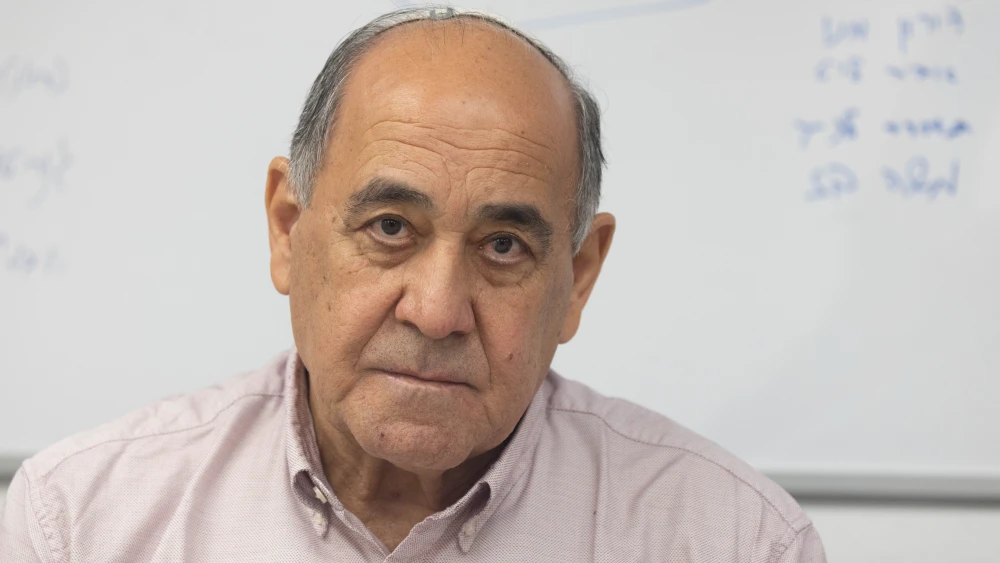
Gabi Na’aman, the mayor of Shlomi, a border town in Israel’s north, rejected talk on Sunday of evacuating the area because of rocket fire by Hezbollah, after an Israeli television channel reported that authorities were considering evacuating civilians for a second time.
“There is absolutely no talk of another evacuation. It’s nothing but rumors at this point, and we are staunchly opposed to any evacuation. Our homes are our castles, and there is no need to leave, especially when the rest of the country is also under fire,” Na’aman told JNS.
David Azoulay, the mayor of nearby Metula, told JNS that he had not received official word of any plans to evacuate civilians from the area near the border with Lebanon, adding that the first he’d heard of it was a report by Channel 12. The report said officials were considering an evacuation because many locals were leaving on their own.
The only organized movement outward from Shlomi, said Na’aman, will begin next week in the form of what he called “reprieves,” two to three days in a hotel for residents with families, thanks to philanthropic donations, mostly from the Jewish National Fund.
The first reprieve will be for 1,000 people who will stay in Tiberias, said Na’aman, whose town has about 9,000 residents. Shlomi’s northern neighborhoods are located about 200 yards from the border, and its southern ones are about a mile away from it.
In Metula, some residents have already gone on JNF-funded reprieves, “but the first we’ve heard of an evacuation was in the media,” Azoulay told JNS.
A spokesperson for Yitzhak Wasserlauf, minister for the development of the periphery, the Negev and the Galilee, told JNS that the ministry is “unfamiliar with any evacuation plans.”
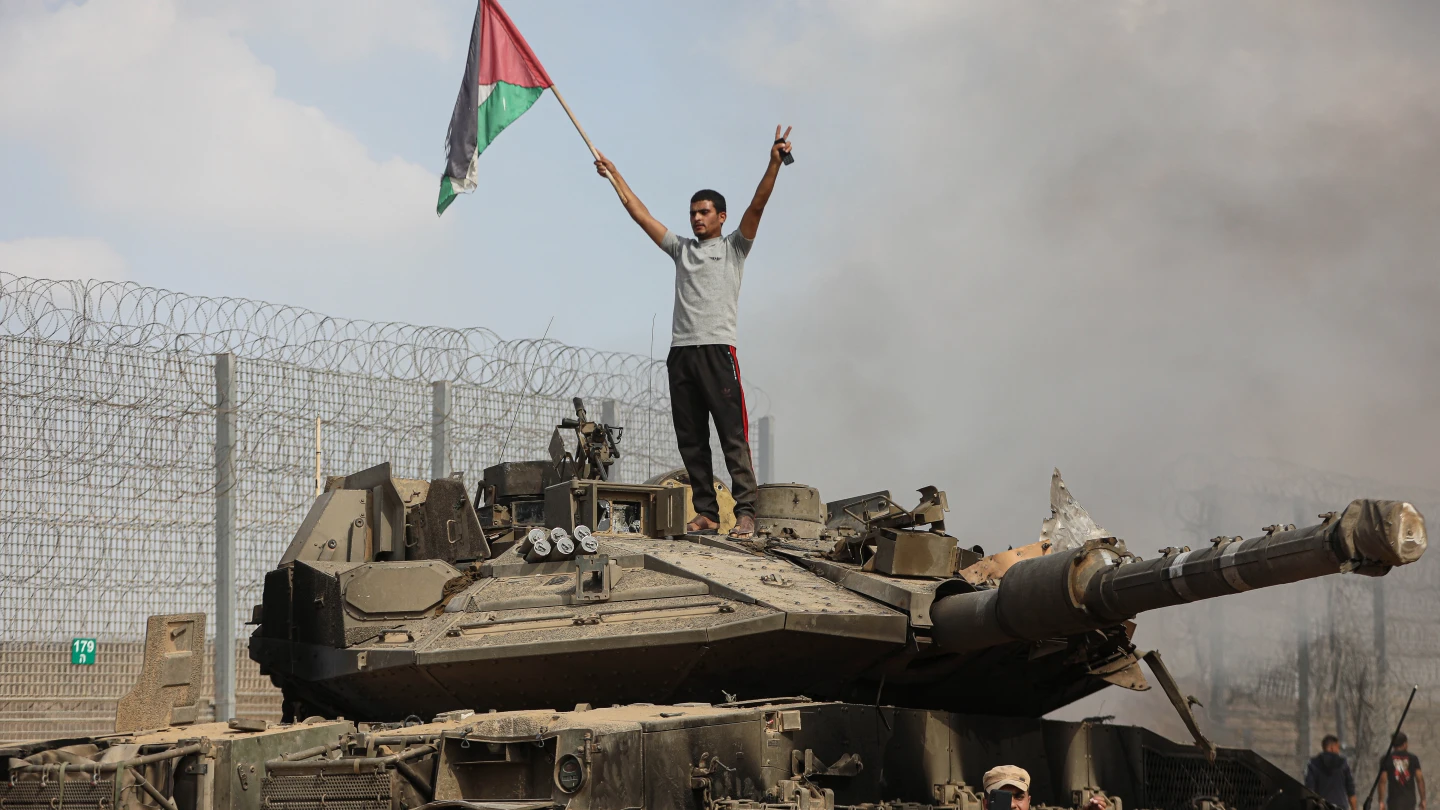
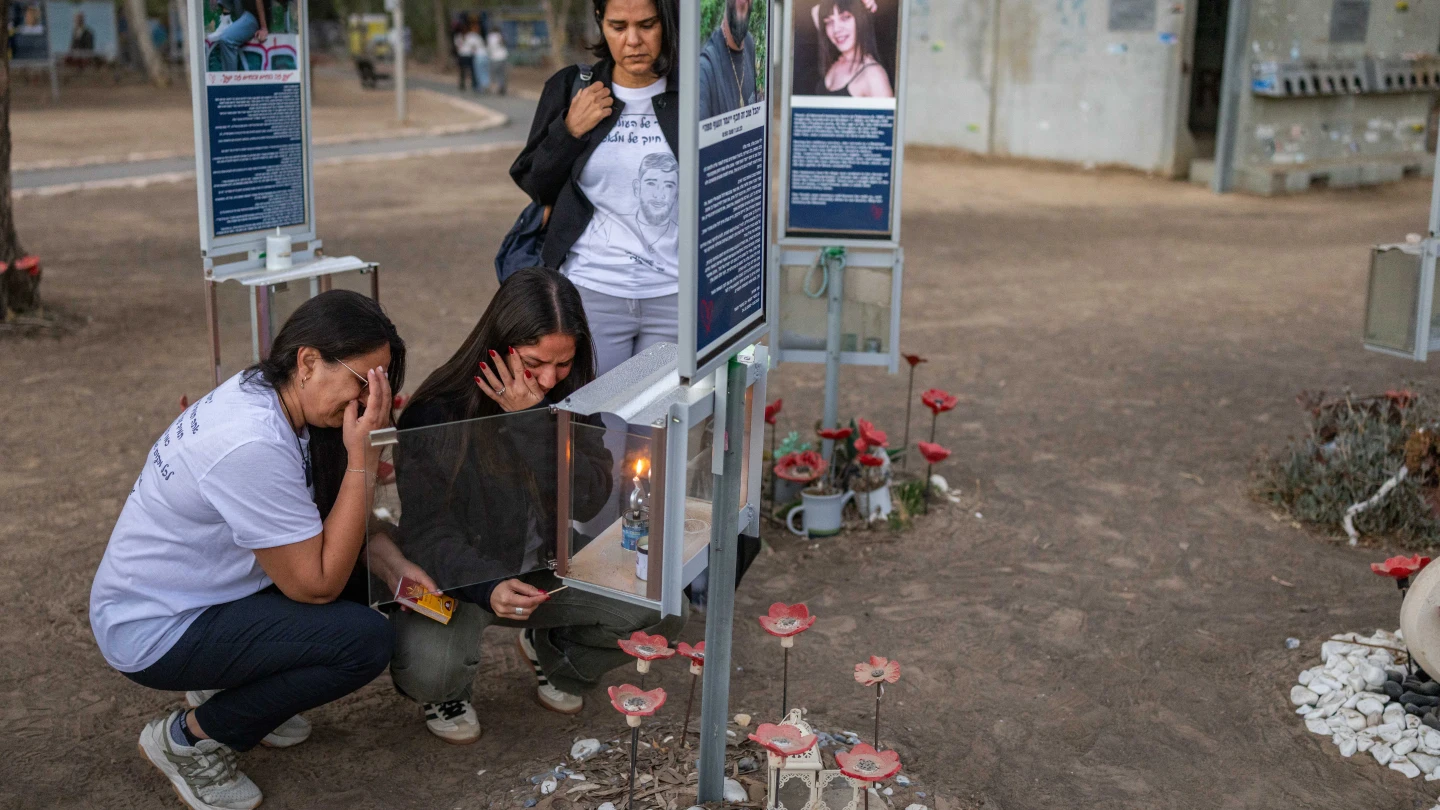
After Hamas terrorists invaded the Israeli-Gaza border on Oct. 7, 2023, and went on to slaughter 1,200 people and kidnap 251 others, Hezbollah began firing rockets into Israel in solidarity one day later on Oct. 8. Many in the north and beyond feared that Hezbollah would also invade Israel from the north; as such, the Israeli government mandated the evacuation from northern communities. In total, 61,800 residents from 43 northern communities were displaced.
Israel responded with relative restraint to Hezbollah’s attacks for nearly a year, until in September 2024 it carried out an operation that involved detonating the pagers of thousands of Hezbollah terrorists, many of them officers. Israel then killed Hassan Nasrallah, Hezbollah’s leader, and the group’s upper echelon in a series of attacks that are widely thought to have weakened the group drastically.
In November 2024, Hezbollah accepted a ceasefire whose terms required it to pull back north of the Litani River in Lebanon. Hezbollah ended the ceasefire on March 2, joining the fighting against Israel along with Iran after Israel and the U.S. launched on Feb. 28 “Operation Roaring Lion/Epic Fury” against the Iranian regime.
During the ceasefire, Hezbollah had continued to maintain a presence south of the Litani, prompting dozens of strikes by the Israel Defense Forces that killed hundreds of its operatives. Israel has retaliated to Hezbollah’s targeting of its civilians after March 2 with many strikes in Lebanon, including in Beirut.