The Israel Defense Forces’ Home Front Command lifted on Monday morning all restrictions from the communities near the Lebanese border following a situational assessment.
The safety guidelines had been in place in the Confrontation Line area, as well as on the Upper Galilee communities of Bar Yochai, Beit Jann, Kisra-Sumei, Moshav Safsufa (aka Kfar Hoshen), Meron, Or HaGanuz, Moshav Sde Eliezer and Yesud HaMa’ala, in the wake of the war with Hezbollah.
Starting at 6 a.m. on June 22, the above designated area resumed full activity level with no restrictions.
עדכון במדיניות התגוננות של פיקוד העורף
— צבא ההגנה לישראל (@idfonline) June 21, 2026
בהתאם להערכת המצב הוחלט על עדכון מדיניות ההתגוננות.
החל משעה 06:00, יום שני, 22 ביוני 2026 יוסרו ההגבלות מאזור הנחיה קו עימות והיישובים ספסופה, מירון, אור הגנוז, בר יוחאי, יסוד המעלה, כסרא-סמיע, בית ג'אן ושדה אליעזר - יעברו למדרג פעילות… pic.twitter.com/TivgcNxxGl
The United States and Iran signed a Memorandum of Understanding on June 17 putting a 60-day end to hostilities between the parties. The first clause of the memorandum stipulates a cessation of hostilities in Lebanon as well.
Israel and Hezbollah reportedly agreed to halt military operations following a deadly flare-up in Southern Lebanon over the weekend.
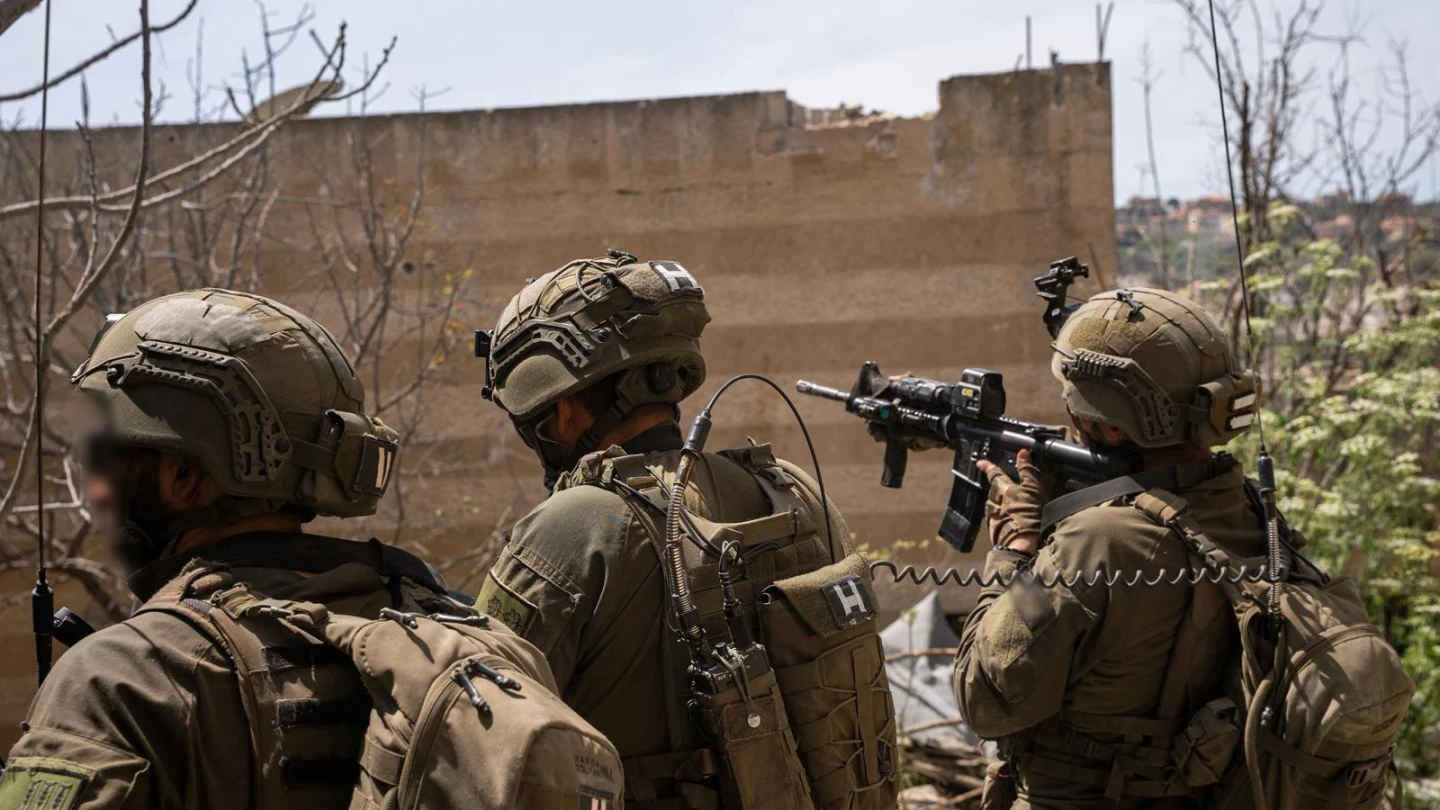
Currently, the IDF occupies some 10% of Lebanon to push the Iranian-backed terrorist organization further north from Israeli communities.
Although the U.S.-Iran preliminary agreement calls to keep Lebanon’s territorial integrity, Jerusalem has pledged not to withdraw from Southern Lebanon, stressing the need to maintain a presence in the area as long as Hezbollah continues to threaten Israeli civilians.